





Roof Repairs Mile End
Deadshort Services provides professional roof repairs Mile End homeowners, landlords, property managers and businesses can rely on. Our roofing and roof plumbing team investigates and repairs faults across tiled roofs, metal roofs, roof flashings, valleys, ridge capping, gutters, downpipes and other roofing components that can contribute to water entry or roof failure.
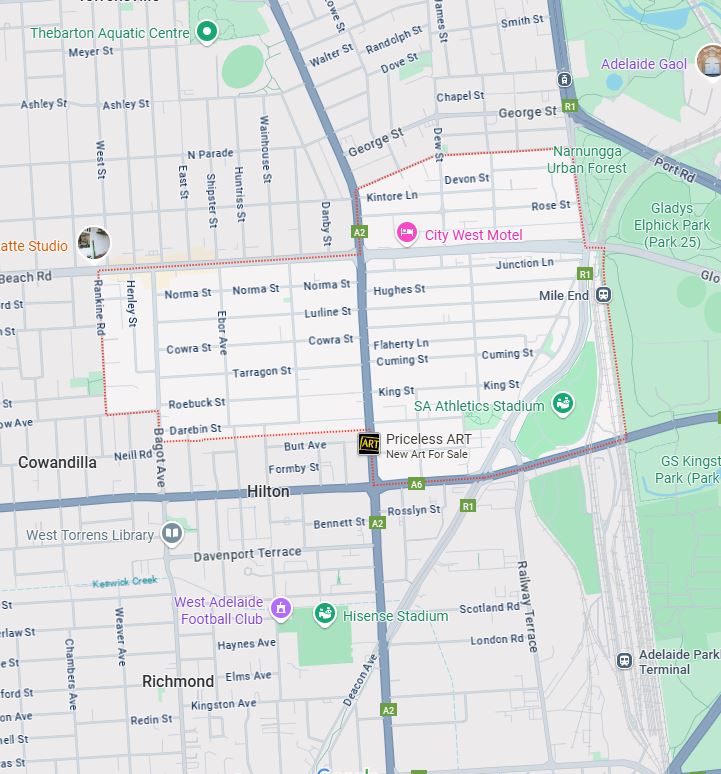
Mile End SA 5031 is an established inner-western Adelaide suburb positioned close to Hilton, Mile End South, Thebarton, Torrensville, Richmond, West Richmond and surrounding western suburbs. The area contains a varied mix of older character homes, established residences, renovated properties, units, townhouses, commercial premises, workshops and larger business properties.
The mixture of residential and commercial buildings in Mile End means roofing conditions can vary considerably from property to property. Older tiled roofs may develop cracked or displaced tiles, deteriorated ridge capping, failed pointing or valley problems, while corrugated and other metal roofs can develop corrosion, failed fixings or flashing problems over time.
Renovations, verandahs, rear extensions and changes to older buildings can also introduce additional roof junctions where different heights, pitches or roofing materials meet. These areas require suitable flashing and drainage when preventing recurring roof leaks.
Mile End’s inner-western location also exposes roofing to Adelaide’s strong summer sun, winter rainfall, prevailing winds and seasonal storms. Commercial and mixed-use properties may additionally have larger roof areas, box gutters, roof penetrations or mechanical equipment that need to be considered when investigating water entry.
We can assist when a roof is leaking, tiles are cracked or displaced, ridge capping has deteriorated, metal roofing is rusting, flashing has failed, gutters are overflowing or storm damage has affected the roof.
Our repair-first approach focuses on identifying the actual cause and explaining practical repair options before broader roof restoration or replacement is considered.
Learn more about our roof repairs Adelaide services or contact Deadshort Services to arrange roof repairs in Mile End.
South Australian Owned – Licensed Roofing & Roof Plumbing Trades – Repair-First Roof Diagnosis – 24/7 Emergency Roof Repair Support – RAA Trade Assist Provider
Roof Fault Diagnosis Mile End
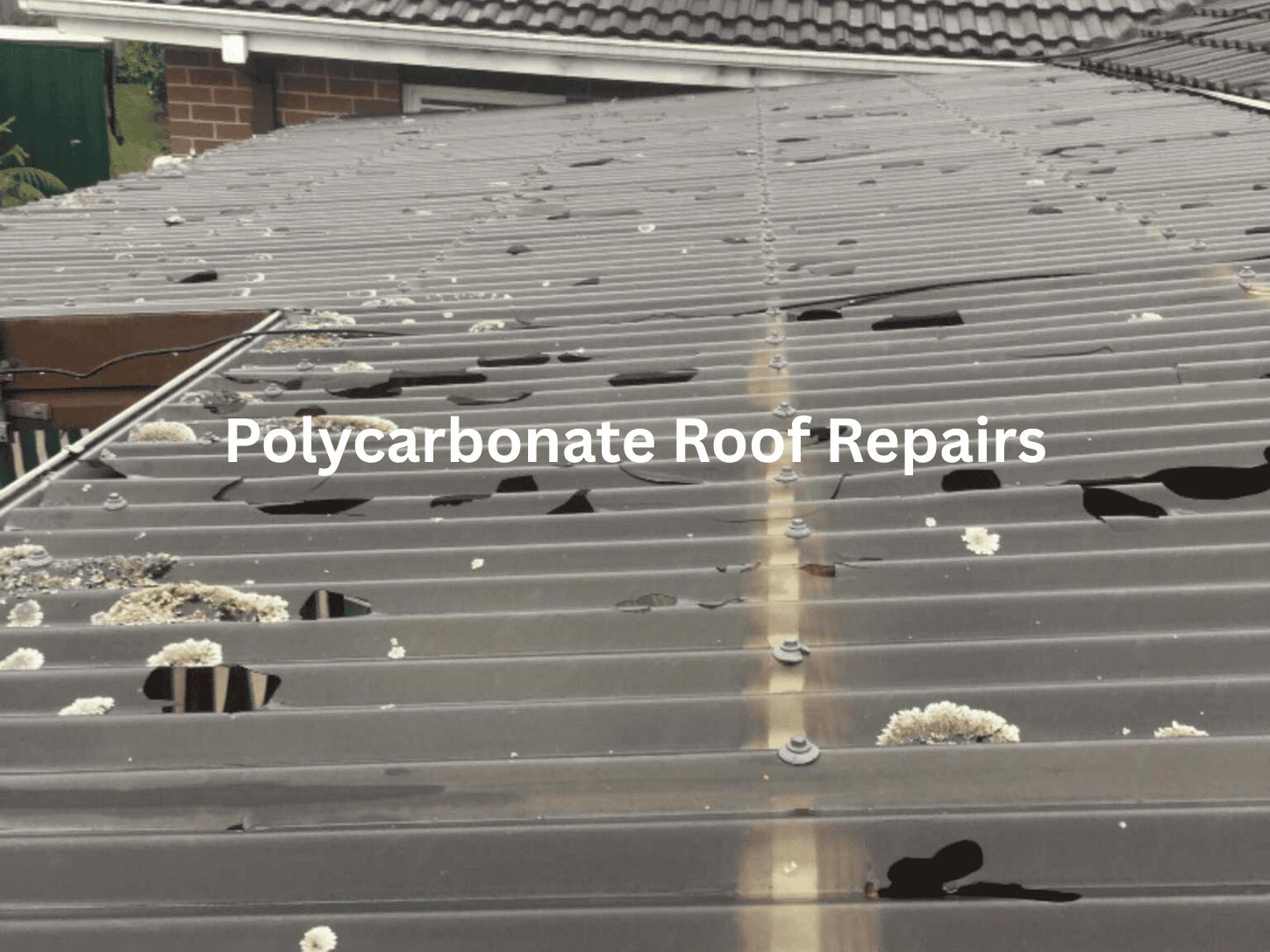
The visible sign of a roofing problem is not always directly below the actual fault. Water entering through damaged tiles, failed flashing or a roof penetration can travel along roofing materials, battens, rafters, insulation or structural components before appearing as a stain or drip inside the property.
A ceiling leak during heavy rain may be caused by cracked or displaced tiles, deteriorated ridge capping, a damaged valley, failed flashing, rusted metal roofing, a roof penetration, gutter overflow or another drainage problem.
Depending on the roof type and reported fault, investigation may include inspecting:
• Cracked, broken or displaced roof tiles
• Ridge capping and pointing
• Roof valleys and flashings
• Metal roof sheets and fixings
• Skylights, vents and roof penetrations
• Chimney and wall flashings
• Parapet flashings
• Roof-to-wall junctions
• Gutters and box gutters
• Downpipes and drainage
• Rust and corrosion
• Previous patching or repairs
• Storm or impact damage
Older Mile End homes may have roofing materials that have been exposed to decades of Adelaide weather, while renovated properties can contain several different roof levels or roofing materials.
Where an original tiled or corrugated roof meets a later metal-roofed extension, suitable transition flashing and drainage can become particularly important when diagnosing recurring water entry.
Mile End commercial properties may also have larger metal roof areas where water can travel along roof sheets, insulation or structural components before becoming visible internally.
Wind-driven rain can make roof leak diagnosis more complicated because water may enter around flashings, valleys, parapets, penetrations or roof junctions only when rain approaches from a particular direction.
Where internal water damage is visible, the location and pattern of staining can also help determine how water may be entering and travelling through the roof structure.
Roof repairs should address the actual cause rather than relying on temporary patching where a tile, flashing, valley, fixing or other roofing component requires proper repair.
Our roof leak repair approach focuses on locating the likely source of water entry rather than only treating the visible internal symptom.
Where a difficult leak cannot be readily isolated, further roof inspection and controlled water testing may sometimes help isolate the affected area.
Common Roof Problems Mile End
Deadshort Services provides roof repairs Mile End customers may require for problems including:
• Roof leaking during heavy rain
• Broken or cracked roof tiles
• Loose or displaced tiles
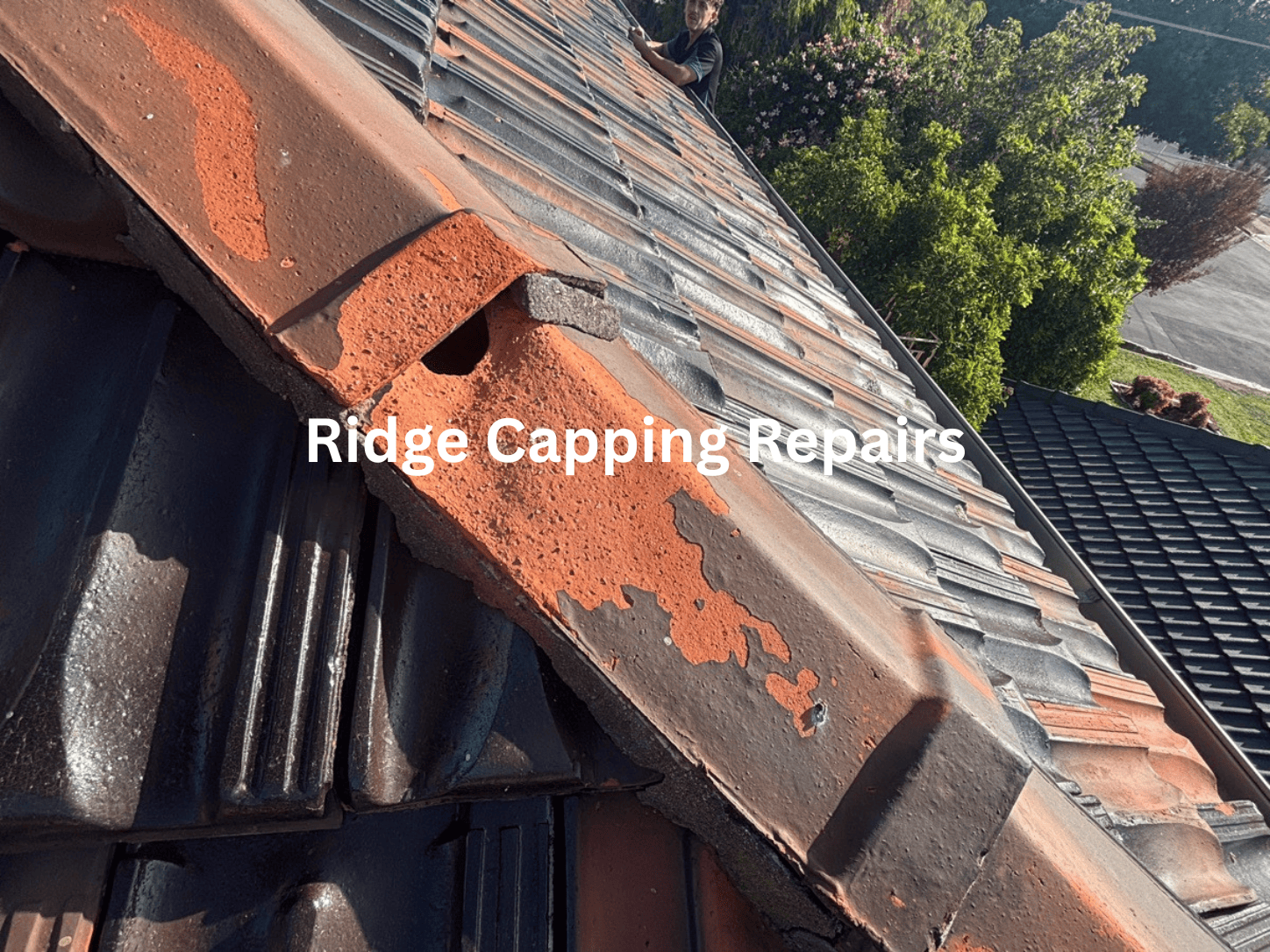
• Deteriorated ridge capping
• Cracked or failed pointing
• Rusted metal roofing
• Localised corrosion
• Loose roofing screws or failed washers
• Damaged or rusted roof valleys
• Damaged flashing
• Parapet flashing problems
• Water entry around skylights or penetrations
• Roof-to-wall flashing problems
• Overflowing or leaking gutters
• Box gutter problems
• Blocked valleys and downpipes
• Storm and wind damage
• Fallen branches or debris affecting roofing
• Water stains on ceilings or walls
• Previous roof repairs beginning to fail
Several different roofing faults can create similar symptoms. A roof leak does not automatically mean the roof needs replacement, and the most obvious visible defect may not always be the only issue contributing to water entry.
Accurate diagnosis helps identify the repair actually required.
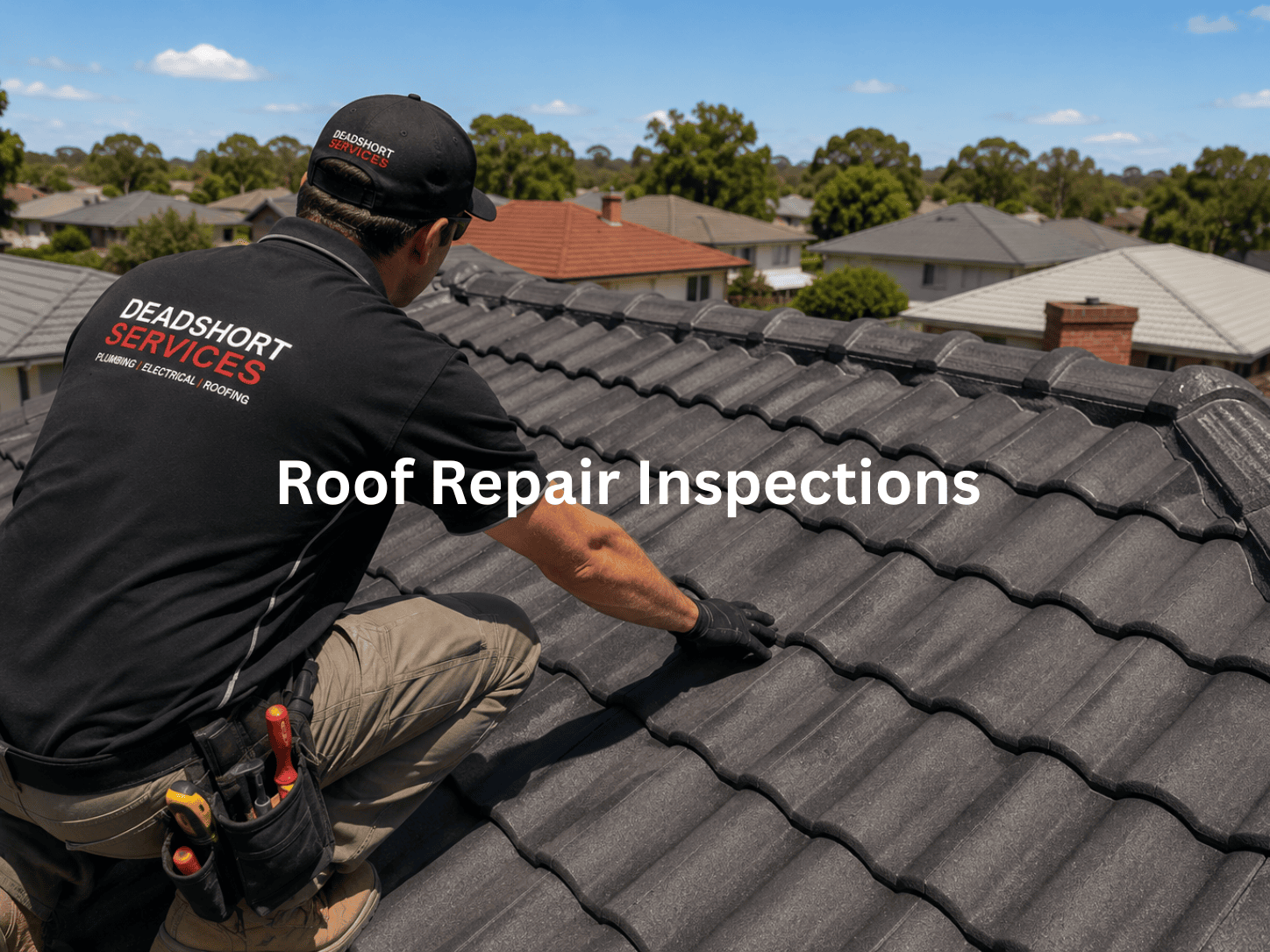
How We Handle Roof Repairs in Mile End
Our roof repair process begins by investigating the reported problem and inspecting the relevant roofing area to identify the likely cause.
Our investigation fee includes the first 30 minutes of our technician’s time working on site — you are not paying just for us to turn up.
During that first 30 minutes, our technician will investigate the roofing problem and, where practical, carry out either a temporary repair or permanent repair.
Where a permanent repair can be completed within that time using suitable materials and the roof can be safely accessed, we may be able to repair the problem there and then.
Where an immediate permanent repair is not possible, a temporary repair or make-safe solution may be carried out where practical to help reduce further water entry or damage.
If additional materials, further labour, specialist access equipment or more extensive roofing work is required, we will explain what has been found and provide a quote for the required permanent repair before further work proceeds.
Properties in Mile End can range from straightforward single-storey homes to multi-level residences, commercial buildings and workshops, so safe roof access can vary significantly between jobs.
Deadshort Services takes a repair-first approach. Our objective is to determine whether the existing roof can be practically repaired rather than treating every roof leak as a reason to recommend restoration or replacement
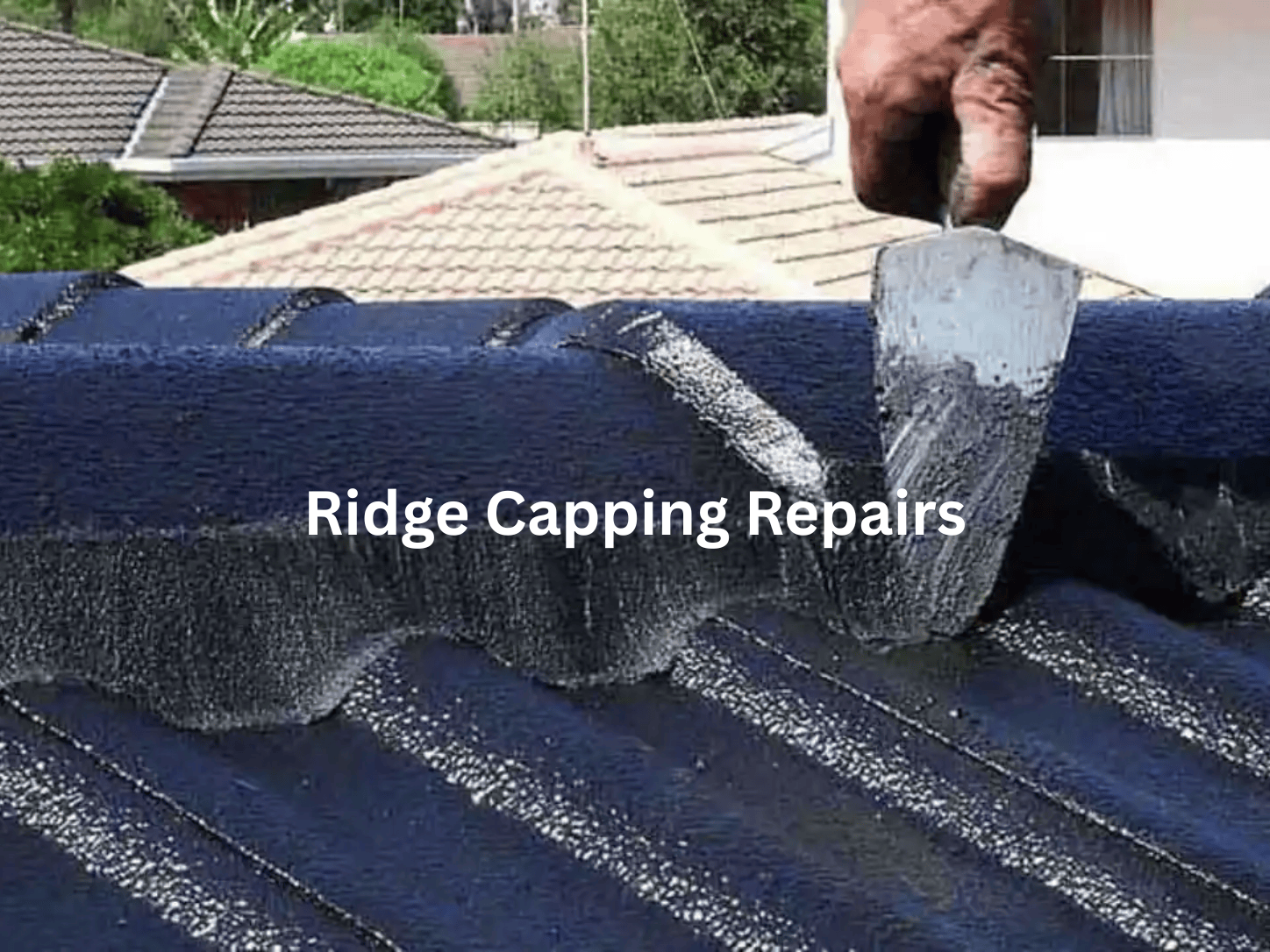
Roof Leak Repairs Mile End
Deadshort Services provides roof leak repairs Mile End properties may require when water begins entering ceilings, walls, roof cavities, offices, workshops or other internal areas.
Roof leaks can be intermittent and may only appear during heavy rain, strong wind or rain approaching from a particular direction.
Common roof leak sources include:
• Cracked or broken roof tiles
• Deteriorated ridge capping
• Failed roof flashing
• Damaged or corroded valleys
• Rusted metal roofing
• Loose or deteriorated roof fixings
• Skylight flashing problems
• Parapet and wall flashings
• Roof-to-wall junctions
• Roof penetrations
• Blocked or overflowing gutters
• Box gutter problems
• Previous temporary repairs
Water can travel a considerable distance from the original entry point before becoming visible inside the property.
In older or extended Mile End homes, water may move along rafters, roofing materials or junctions between original and later roofing before appearing internally.
On larger metal or commercial roofs, water may also travel along roof sheets, laps or insulation before becoming visible some distance from the actual fault.
Finding the likely source is therefore more important than simply repairing the area directly above a ceiling stain or internal drip.
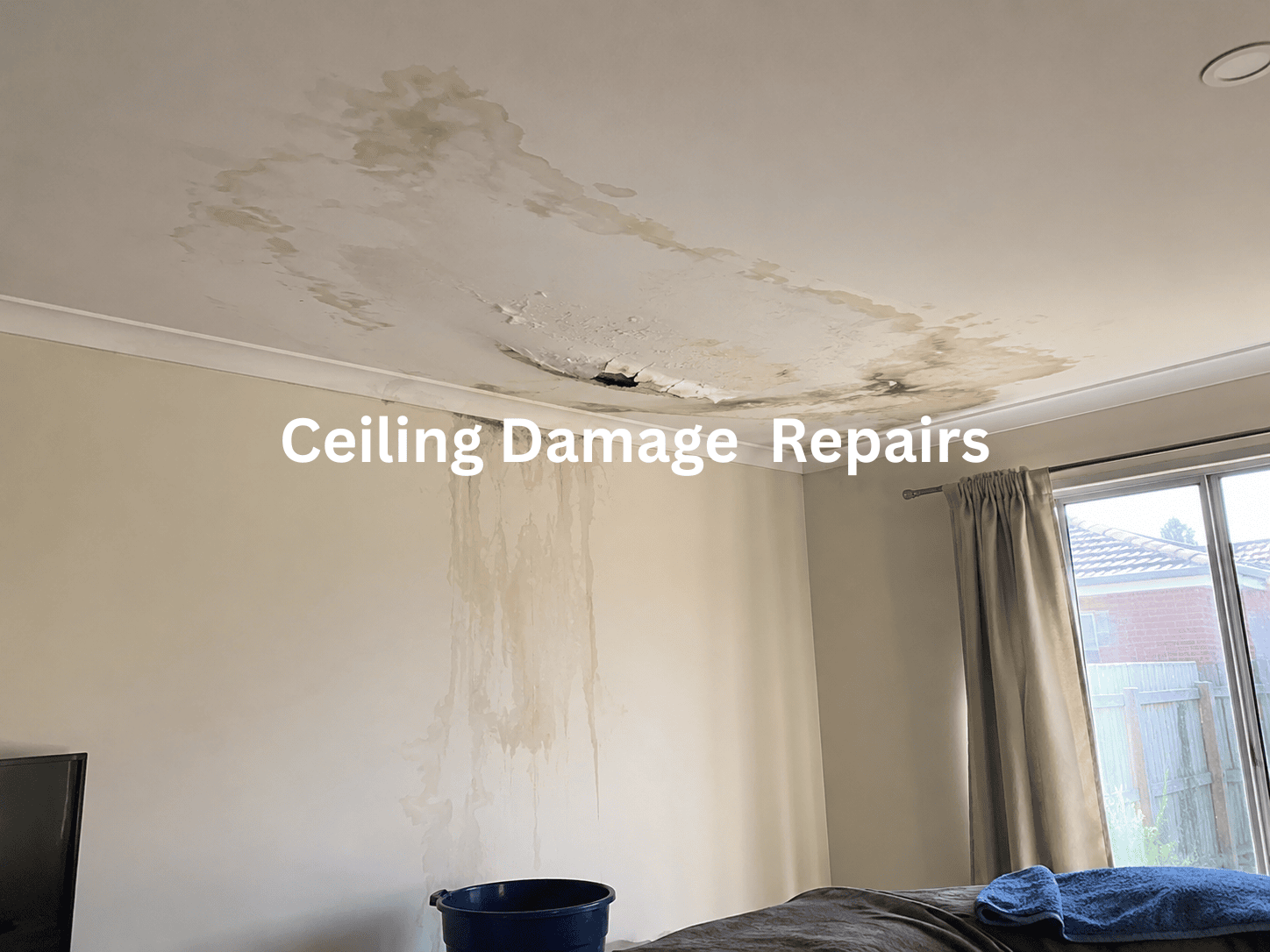
Why Early Roof Leak Repairs Matter
A small roof leak can cause considerably more damage than the original roofing fault if water continues entering the property.
Water entering a roof cavity may affect ceiling plasterboard, insulation, timber framing, electrical cabling and fittings, internal wall linings and surrounding building materials.
In renovated Mile End homes, water may also travel through junctions between original roofing and later extensions before becoming visible internally.
For commercial properties and workshops, recurring water entry may affect stock, equipment, work areas, offices or electrical components.
A leak that initially appears only during heavy rain may become more frequent as roofing materials or flashings continue to deteriorate.
Early investigation can help identify the source while the required roof repair is still localised and before repeated water entry causes broader property damage.
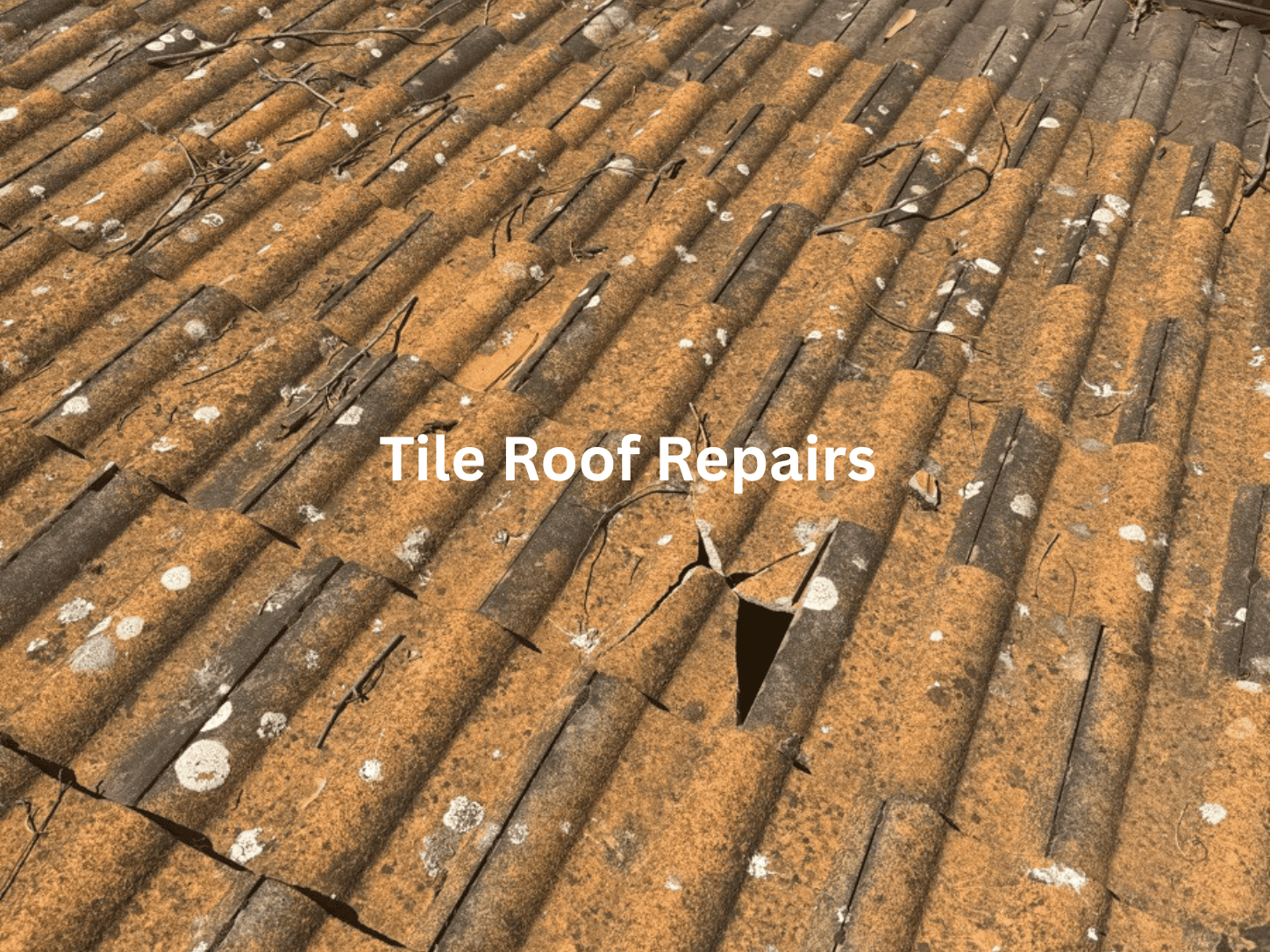
Tiled Roof Repairs Mile End
Deadshort Services provides tiled roof repairs Mile End homeowners, landlords and property managers may require for:
• Cracked or broken roof tiles
• Displaced or slipped tiles
• Localised tile replacement
• Ridge cap repairs
• Deteriorated pointing
• Localised re-pointing
• Re-bedding where required
• Valley and flashing repairs
• Roof leak diagnosis
• Storm-damaged tiled roofing
A small number of damaged tiles does not normally mean an otherwise serviceable tiled roof needs replacement.
Older tiled roofs across Mile End can develop deterioration around ridge capping, valleys or individual tiles while large areas of the roofing remain serviceable.
Where ridge caps or pointing are contributing to the problem, our ridge capping repairs may include suitable localised re-pointing, re-bedding or related repair work.
Our repair-first approach focuses on determining whether targeted repairs can restore weather protection without unnecessary broader work.
Metal Roof Repairs Mile End
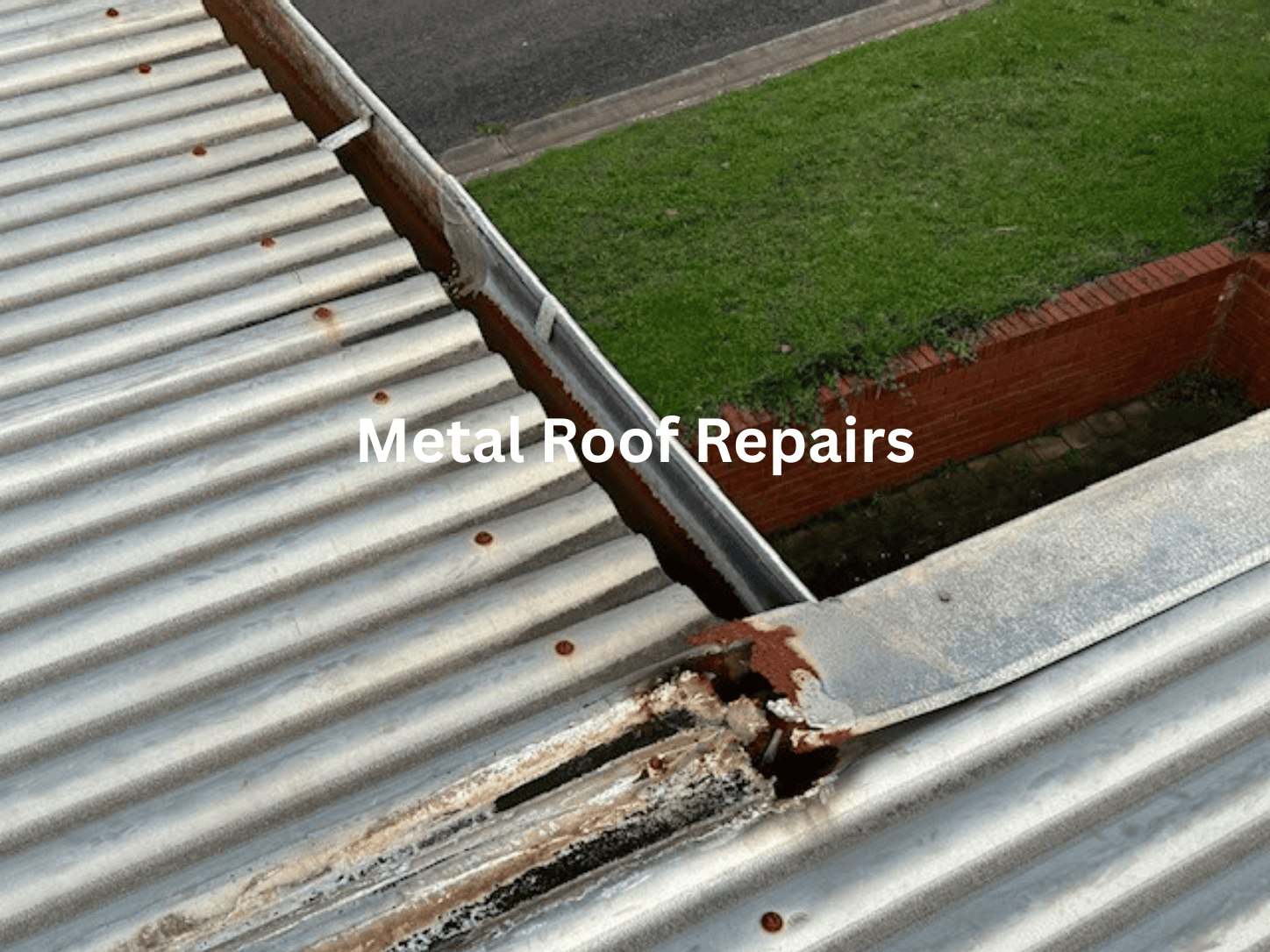
Metal roofing is common across Mile End and may be found on complete homes, extensions, verandahs, garages, workshops and commercial properties.
Deadshort Services provides metal roof repairs Mile End properties may require for:
• Rusted roof sheets
• Localised corrosion
• Loose roofing screws
• Failed sealing washers
• Damaged metal sheets
• Leaking sheet laps
• Failed flashing
• Parapet flashing problems
• Water entry around roof penetrations
• Box gutter problems
• Storm-damaged roofing
• Loose roofing materials
Older corrugated metal roofing can develop corrosion around fixings, sheet laps and flashings, while later additions may introduce newer roofing connected to the original building.
Commercial metal roofs may also contain long sheet runs, multiple penetrations and larger drainage systems where a relatively small localised defect can allow significant water entry during heavy rain.
A metal roof leak does not necessarily require complete re-roofing.
Localised corrosion, fixing problems, flashing defects or individual damaged sheets may sometimes be repairable where the surrounding roofing remains serviceable.
Where deterioration is widespread, we can explain whether continued repairs or broader roof replacement is the more practical long-term option.
Roof Flashing, Valleys, Ridge Capping and Penetration Repairs Mile End
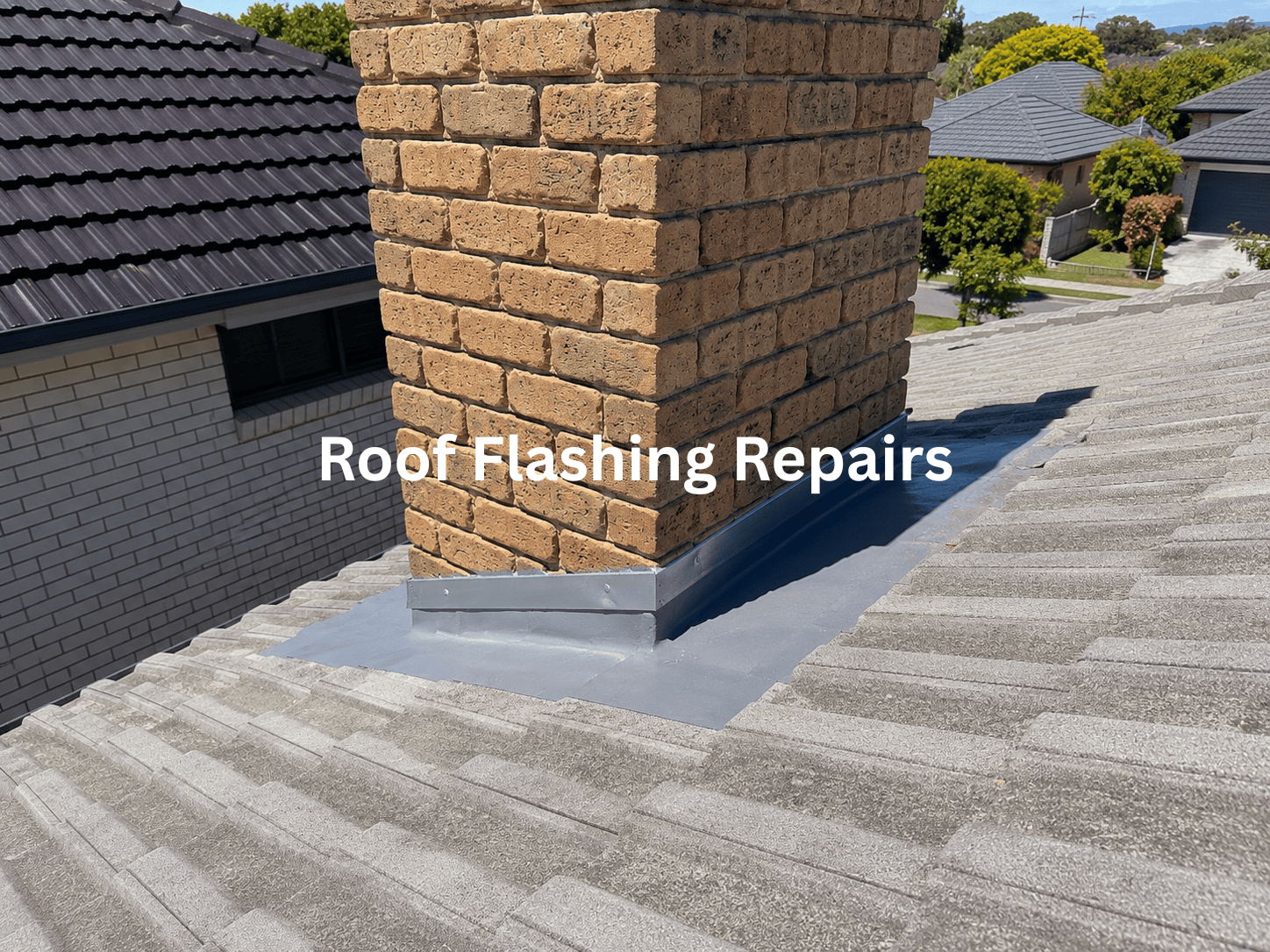
Flashings, valleys, ridge capping and roof penetrations are common areas for water entry when materials deteriorate, move or become damaged.
Deadshort Services can investigate and repair suitable problems involving:
• Cracked or deteriorated ridge pointing
• Loose ridge caps
• Deteriorated bedding mortar
• Roof valleys
• Apron and wall flashings
• Parapet flashings
• Roof-to-wall junctions
• Skylight flashings
• Chimneys, vents and pipe penetrations
• Exhaust and mechanical penetrations
• Previous flashing repairs
Established Mile End properties that have been extended, renovated or converted may have changes in roof height, pitch or roofing material that create additional valleys and roof junctions.
Older homes may include chimneys, masonry walls or parapets that depend on suitable flashing where roofing meets the structure.
Commercial buildings may also contain ventilation, exhaust equipment, air-conditioning components and other roof penetrations that create additional potential water-entry points.
Where newer metal roofing joins existing tiled or older corrugated roofing, correct flashing and drainage around the transition point is important when preventing recurring water entry.
A failure in one of these areas can allow water entry even when surrounding tiles or roof sheets remain in otherwise serviceable condition.
Where deterioration is localised, targeted ridge capping repairs, flashing or valley repairs may be possible without requiring a complete roof restoration.
Learn more about our roof plumbing services for suitable flashing, valley, penetration and roof drainage problems.
Gutter and Roof Drainage Problems Mile End
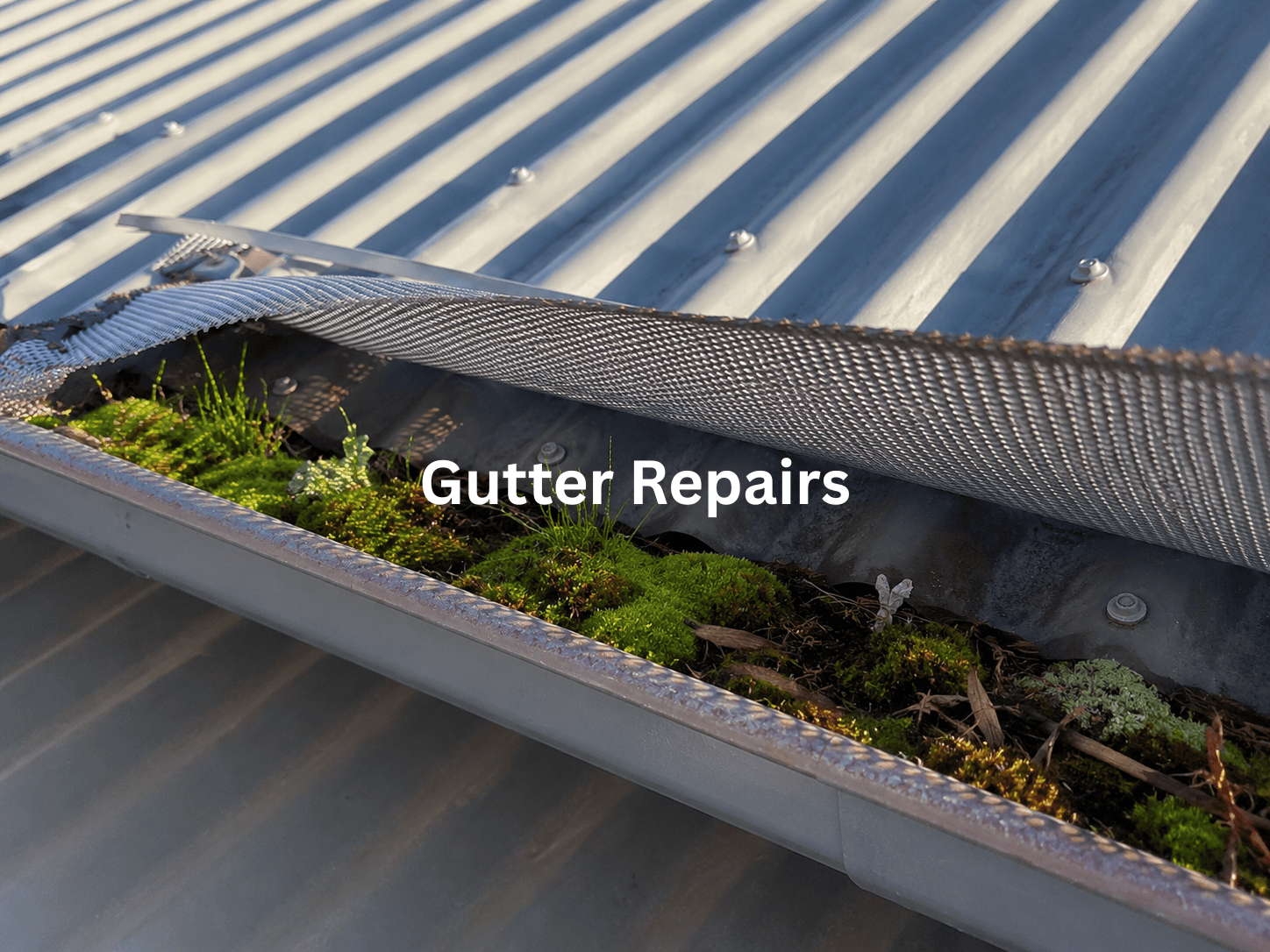
Gutters and downpipes form part of the overall roof drainage system. When they become damaged, blocked or incorrectly aligned, water can overflow or back up into areas where it contributes to roof leaks and property damage.
Established vegetation and wind-blown debris around Mile End can contribute leaves, twigs and other material to gutters, valleys and downpipes.
Older metal gutters may also develop rust, corrosion or failed joints over time, particularly where water remains trapped or drainage is restricted.
Properties that have been extended may have drainage arrangements where several roof sections feed into shared gutters or downpipes.
Larger commercial buildings may also rely on box gutters and larger drainage systems that need to move substantial volumes of water during heavy rainfall.
Deadshort Services provides gutter repairs for suitable Mile End properties experiencing:
• Leaking or rusted gutters
• Overflowing gutters
• Box gutter problems
• Damaged gutter joints
• Sagging gutter sections
• Blocked drainage
• Blocked roof valleys
• Damaged downpipes
• Incorrect water flow
• Storm-related gutter damage
When investigating a roof leak, gutter and drainage condition may need to be considered alongside the roofing materials themselves.
Emergency and Storm Damage Roof Repairs Mile End
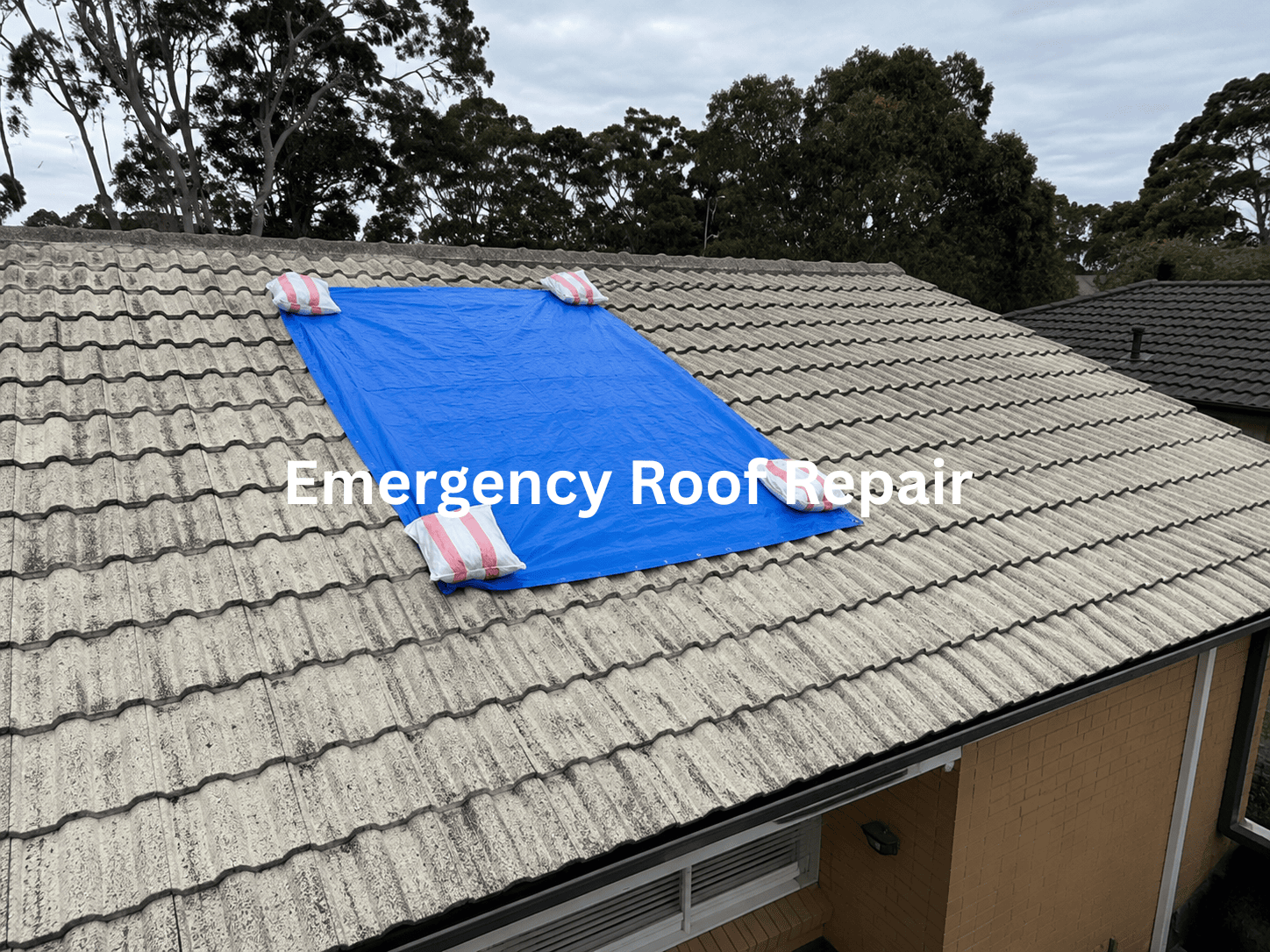
Sudden roof damage can allow water to enter a property quickly and may require urgent attention.
Deadshort Services provides emergency roof repairs Mile End homeowners, landlords, businesses and property managers can call on for suitable urgent roofing problems.
Urgent roofing faults may include:
• Active roof leaks
• Storm-damaged roofing
• Broken or missing roof tiles
• Loose metal roof sheets
• Water entering ceilings, walls or commercial spaces
• Damaged flashing or ridge capping
• Failed gutters or box gutters contributing to water entry
• Fallen branches affecting roofing
• Unsafe loose roofing materials
• Emergency make-safe requirements
Strong winds, thunderstorms and periods of heavy rainfall can expose existing weaknesses in ageing tiles, ridge capping, metal roofing, flashings, roof penetrations and drainage systems.
Where weather conditions or the extent of damage prevent an immediate permanent repair, a temporary repair or make-safe solution may be carried out where practical before permanent work is completed.
Deadshort Services provides emergency roof repair services across Adelaide for roof leaks, storm damage, temporary protection and suitable make-safe work.
Call (08) 8410 0887 to discuss an urgent roofing problem.
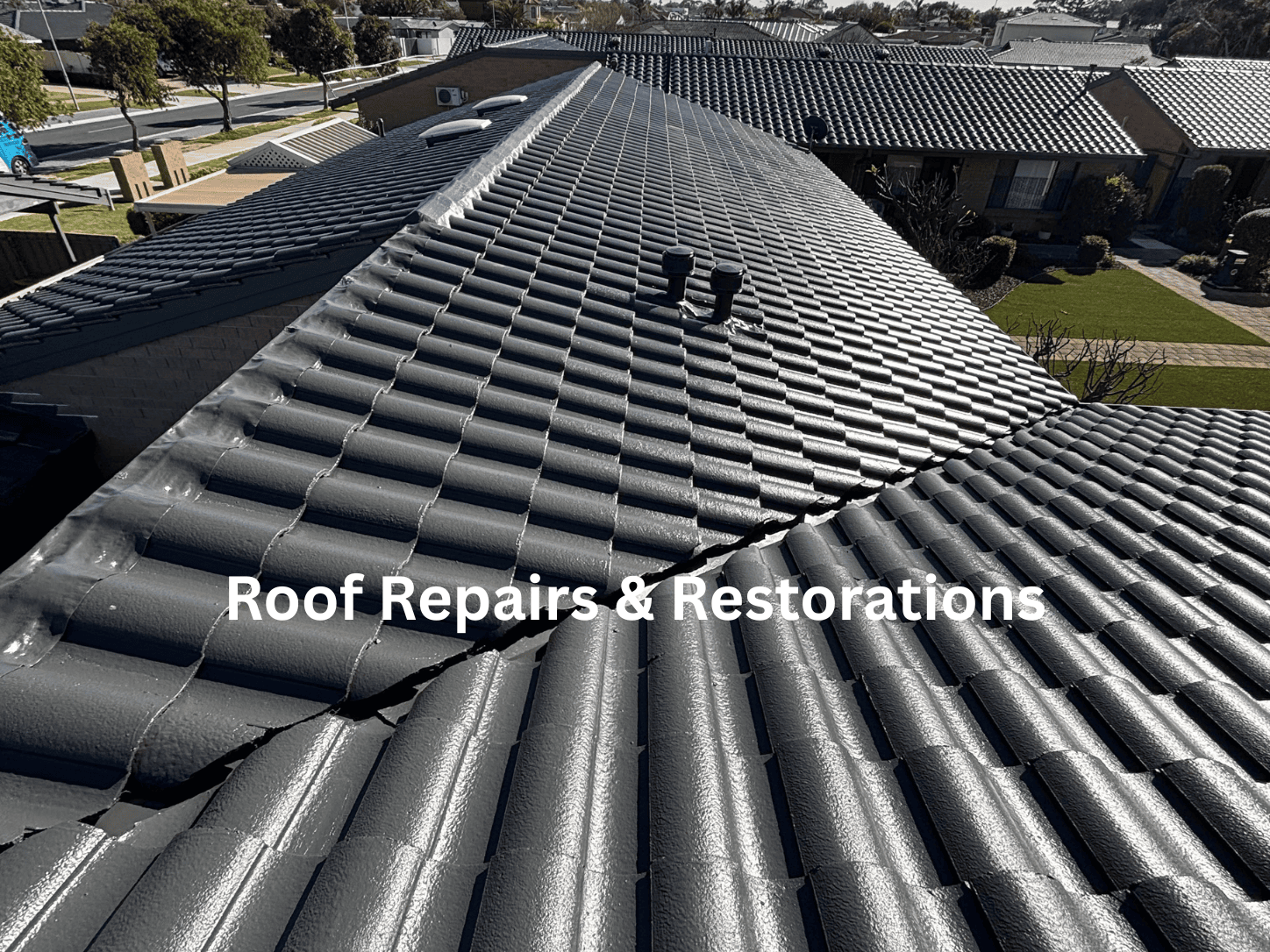
How Much Do Roof Repairs Cost in Mile End?
The cost of roof repairs in Mile End depends on the roof type, cause of the fault, access requirements, materials needed and extent of damage.
For many minor roof repairs, the total cost may typically range between approximately $200 and $600. Our normal approach is to attend the property, investigate the roofing fault and, where practical, complete the repair during the same visit.
This may apply to suitable smaller roofing faults such as broken or displaced tiles, minor flashing problems, localised sealing or fixing work and other straightforward repairs that can be safely accessed and completed without extensive materials or labour.
If our inspection identifies a larger roofing problem that cannot reasonably be repaired during the initial visit, we will explain what we have found and provide a full quote for the required repair work before the larger repair proceeds.
Factors that can affect the cost include:
• Tiled or metal roofing
• Residential or commercial property
• Roof height and pitch
• Multiple roof levels
• Parapets or adjoining structures
• Access to the damaged area
• Number of damaged tiles or sheets
• Ridge capping condition
• Flashing or valley repairs required
• Box gutter problems
• Roof penetration repairs
• Rust or corrosion
• Storm damage
• Specialist access or scaffolding requirements
• Materials and labour required
Mile End properties can range from straightforward single-storey houses to renovated multi-level homes and larger commercial buildings, so access can have a significant effect on the scope of repair work.
Our investigation fee includes the first 30 minutes of our technician’s time working on site. During this time, we investigate the problem and, where practical, carry out the required repair.
Where the roofing problem is more extensive, requires additional materials or labour, or needs specialist access, we provide a clear quote for the larger repair after the initial inspection.
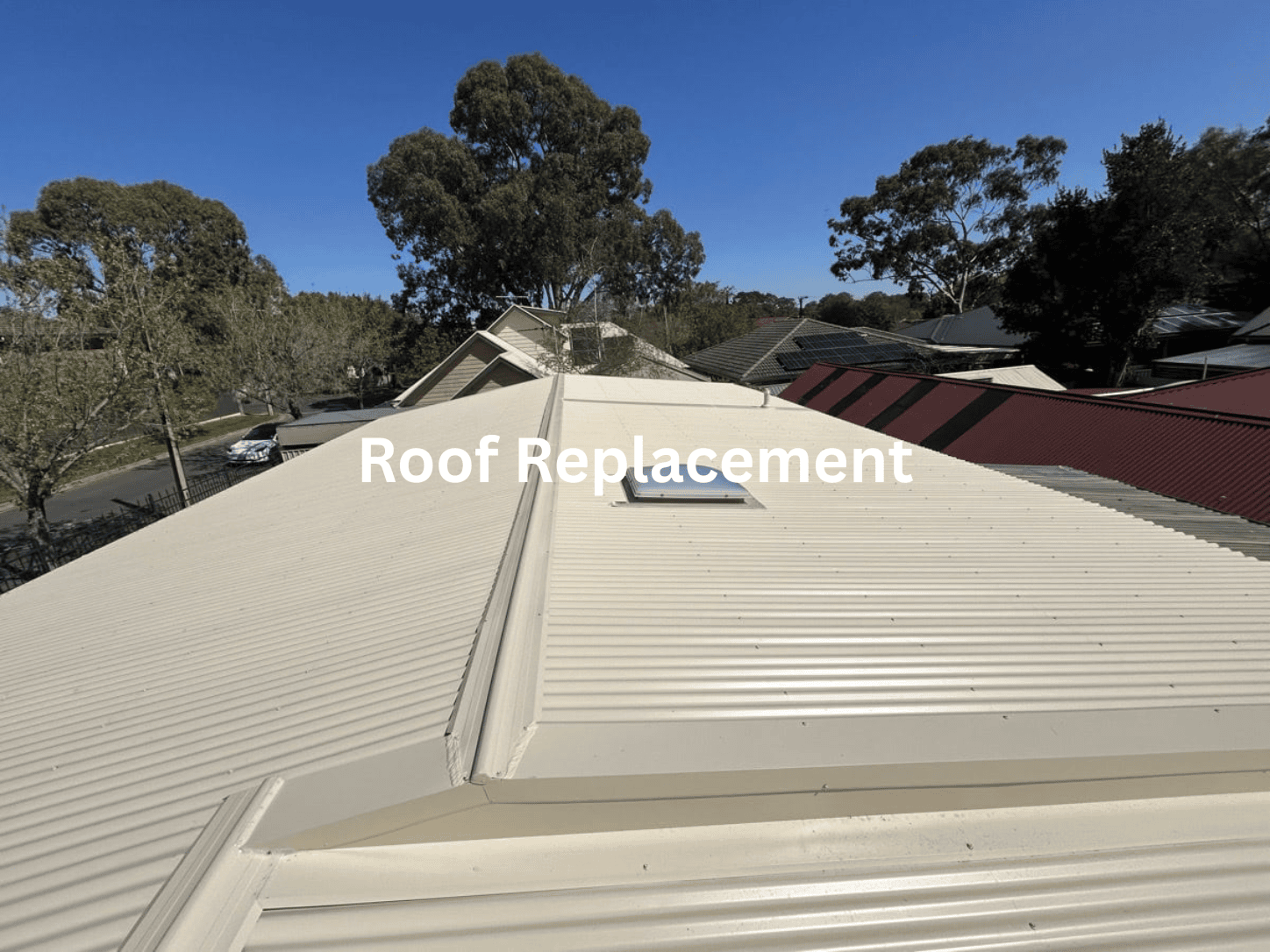
Repair or Replace a Damaged Roof?
A leaking or ageing roof does not automatically need to be replaced.
The right decision depends on the actual fault, overall roof condition, roofing material, extent of deterioration, previous repair history and whether targeted repairs can provide a practical long-term outcome.
If damage is confined to individual tiles, flashings, valleys, ridge capping, fixings, penetrations or localised sections of metal roofing, targeted repairs may be considerably more appropriate than replacing an otherwise serviceable roof.
Where a tiled roof has broader deterioration but remains suitable for treatment, tile roof restoration may sometimes be considered instead of continuing with repeated isolated repairs.
Where a metal roof has widespread corrosion, repeated leaks or extensive material deterioration, broader roof replacement may eventually become more economical than continuing with repeated repairs.
Deadshort Services takes a repair-first approach and recommends broader work when the condition of the roof justifies it.
The Deadshort Multi-Trade Advantage
Roofing problems do not always stop at the roof surface.
Water entering through a leaking roof can damage ceilings, insulation, plasterboard, timber, paintwork, stock, equipment and electrical fittings.
Because Deadshort Services provides multiple trades through one company, we can coordinate suitable roof repairs with related plumbing, electrical, carpentry and property-maintenance work where required.
Our wider services include:
• Electrical services where water has affected electrical components
• Roof plumbing, flashings and drainage
• Gutter, box gutter and downpipe repairs
• Plumbing services where related water or drainage problems require attention
• Carpentry and property maintenance for suitable internal or external damage
• Air-conditioning support where roof-mounted equipment is involved
This can reduce the need for homeowners, landlords, property managers and businesses to coordinate several unrelated contractors after a roofing fault has caused damage elsewhere in the property.
Why Choose Deadshort Services for Roof Repairs Mile End?
• South Australian owned and operated
• Licensed roofing and roof plumbing trades
• More than 35 years of trade experience
• Repair-first roof fault diagnosis
• Tiled and metal roof repairs
• Residential, commercial and mixed-use roofing support
• Experience with established inner-western Adelaide properties
• Roof leak investigation and repairs
• Ridge capping repairs, flashing and valley repairs
• Parapet, penetration and roof-to-wall flashing investigation
• Emergency roofing support available 24/7
• First 30 minutes of technician working time included in our investigation fee
• Temporary or permanent repairs completed during the initial investigation where practical
• Clear quotations where further repair work is required
• Support for homeowners, landlords, property managers and businesses
• Multi-trade capability where roofing faults affect other parts of the property
• RAA Trade Assist provider
Roof Repairs Mile End FAQs
Who provides roof repairs in Mile End?
Deadshort Services provides professional roof repairs Mile End homeowners, landlords, property managers and businesses can rely on. Our roofing and roof plumbing team can investigate leaks, broken tiles, metal roofing faults, ridge capping, flashings, parapets, gutters, box gutters and suitable storm damage.
How much do roof repairs cost in Mile End?
For many minor roof repairs, the total cost may typically range between approximately $200 and $600 depending on the fault, roof access and materials required. We normally attend, investigate the problem and, where practical, complete the repair during the same visit. Larger roofing problems are assessed and quoted after the initial inspection.
What is included in the roof repair investigation fee?
Our investigation fee includes the first 30 minutes of our technician’s time working on site. During this time we investigate the roofing problem and, where practical, may complete either a temporary or permanent repair. If further materials, labour or access are required, we explain what is needed and provide a quote for the further work.
How do you find where a roof leak is coming from?
Water can travel through a roof cavity or along metal roof components before becoming visible inside the property. We assess possible entry points including tiles, metal sheets, flashings, valleys, parapets, penetrations, gutters and surrounding roof areas to identify the likely source.
Can a leaking tiled roof be repaired without replacing the roof?
Yes, in many cases. If the fault is localised and the surrounding roof remains serviceable, targeted repairs may be more appropriate than roof restoration or replacement.
Do you repair metal roofs in Mile End?
Yes. Deadshort Services can repair suitable metal roofing faults including corrosion, failed screws and washers, damaged sheets, leaking laps, flashing problems and water entry around roof penetrations.
Do you repair commercial roofs in Mile End?
Yes. We can assist with suitable roof leaks and roofing faults affecting workshops, offices, commercial premises and other properties, including metal roofing, flashings, penetrations, gutters and box gutters.
Can damaged ridge capping cause roof leaks?
Yes. Cracked pointing, deteriorated bedding or loose ridge caps can contribute to water entry. Localised ridge capping repairs, re-pointing or re-bedding may be suitable depending on the condition of the surrounding roof.
Do you provide emergency roof repairs in Mile End?
Yes. Deadshort Services provides emergency roof repairs for suitable active leaks, storm damage, broken tiles, loose roofing materials and make-safe requirements, subject to weather, safe access and trade availability.
Can you repair leaks around parapets, walls and roof penetrations?
Yes. These areas rely on suitable flashing and roof plumbing. Water entry can occur where flashing, seals or surrounding roofing materials have deteriorated. Our roof plumbing team can assist with suitable flashing and penetration problems.
Should I repair, restore or replace my roof?
Localised defects are generally better suited to repair where the surrounding roof remains serviceable. Broader deterioration may justify tile roof restoration, while widespread corrosion, material failure or repeated problems may make replacement more practical. Deadshort Services takes a repair-first approach.
Roof Repairs Mile End and Nearby Suburbs
Deadshort Services provides roof repairs Mile End and nearby inner-western Adelaide suburbs, including:
Hilton – approx. 1 km
Mile End South – approx. 1 km
Thebarton – approx. 2 km
Torrensville – approx. 2 km
Richmond – approx. 2 km
West Richmond – approx. 3 km
Cowandilla – approx. 3 km
Hindmarsh – approx. 3 km
Brooklyn Park – approx. 4 km
Underdale – approx. 4 km
For wider coverage, visit our roof repairs near me Adelaide suburb coverage page.
Book Roof Repairs Mile End
If your roof is leaking, has broken tiles, damaged ridge capping, rusted metal roofing, failed flashing, parapet problems, gutter or box gutter drainage issues, storm damage or another roofing fault, contact Deadshort Services to arrange roof investigation and repair.
Our investigation fee includes the first 30 minutes of our technician working on site to investigate the roofing problem and, where practical, carry out a temporary or permanent repair. If further work is required, we explain what is needed and provide a quote for the permanent repair.
We provide repair-first roofing services across Mile End for homeowners, landlords, property managers, managed properties, workshops and suitable commercial premises.
Call (08) 8410 0887 or use our contact page to arrange assistance.


RAA Trade Assist Partner

Deadshort Services are your Local roofer with years of experience in the industry.
