Tile-to-Metal Roof Conversion Adelaide – Metal Roofing Upgrades


Deadshort Services provides tile-to-metal roof conversions across Adelaide, replacing existing concrete or terracotta tiles with a suitable metal roofing system. Often called a tile-to-iron conversion, this work may suit properties where tiles have deteriorated extensively, repeated repairs offer limited value or the owner wants to change the roof’s appearance.
Our qualified roof plumbers assess the existing roofing, accessible supports, batten arrangement, flashings and drainage before recommending work. Suitable options may include Colorbond roofing, with the profile, finish and installation requirements selected to suit the roof and site conditions. Although metal roofing is generally lighter than tiles, support and tie-down requirements still need assessment.
A conversion also provides an opportunity to plan insulation, roof ventilation and associated drainage work before new coverings are installed. Where solar panels, skylights or roof-mounted air conditioning are affected, our multi-trade team can coordinate the agreed roofing, electrical and air conditioning work through one company and one scheduler.
As part of our wider roof replacement Adelaide services, we explain the proposed scope and whether conversion is appropriate. Where the existing tiled roof remains serviceable, targeted roof repairs or roof restoration may still be practical alternatives.
Deadshort Services is South Australian owned, with more than 35 years of trade experience.
One Number. One Call. Multiple Trades.
Estimate an indicative budget for removing an existing concrete or terracotta tiled roof and replacing it with new Colorbond steel roofing. This calculator is for tile-to-metal conversions only.
| Budget component | Allowance |
|---|
The base model allows for removal and disposal of ordinary existing concrete or terracotta roof tiles, new standard Colorbond roof sheets, standard roofing fixings, ordinary ridge and perimeter flashing work, labour and normal single-storey access arrangements. Selected height, layout and access adjustments are shown separately.
Engineering, approvals, specialist removal, asbestos work, concealed deterioration, unusual access systems, underground drainage, internal finishing and unselected extras are also excluded.
Deadshort Services needs to assess actual roof measurements, pitch, supports, batten requirements, tie-downs, flashings, drainage and roof-mounted equipment before preparing a quotation.
For broader replacement options, visit our roof replacement Adelaide page.
This opens a draft addressed to Deadshort Services in your email app. Nothing is sent automatically.
Deadshort Services assesses existing tiled roofs to establish whether conversion to metal roofing is practical and what associated work is needed. We consider the roof layout, pitch, accessible supports, drainage, site access and existing equipment before defining the proposed scope.
Depending on the property and selected roofing system, work may include:
• Removal and disposal of existing concrete or terracotta tiles within the agreed scope
• Assessment of accessible framing, battens and connections, with specialist structural advice where required
• Batten replacement or adjustment and specified fixing or tie-down work
• Installation of suitable underlay and roof blanket or insulation provisions
• Installation of compatible metal roofing, including suitable Colorbond roofing options
• New ridge capping, valleys, flashings and penetration details through our roof plumbing team
• Agreed gutter repairs or replacement, downpipe work and drainage alterations
• Suitable roof ventilation improvements
• Coordination of solar equipment, roof-mounted air conditioning and existing skylights
• Final checks, site clean-up and relevant care and warranty information
The quote identifies the roofing material and profile, preparation, removal, installation and associated works included. Any necessary engineering advice, approvals or structural alterations need to be addressed before the affected work proceeds. Removal of the tiles may reveal concealed deterioration; additional work is explained before proceeding.
Our roofing, electrical, air conditioning and property repair teams can coordinate related work through one company and one scheduler. For broader replacement options, visit our roof replacement Adelaide page..
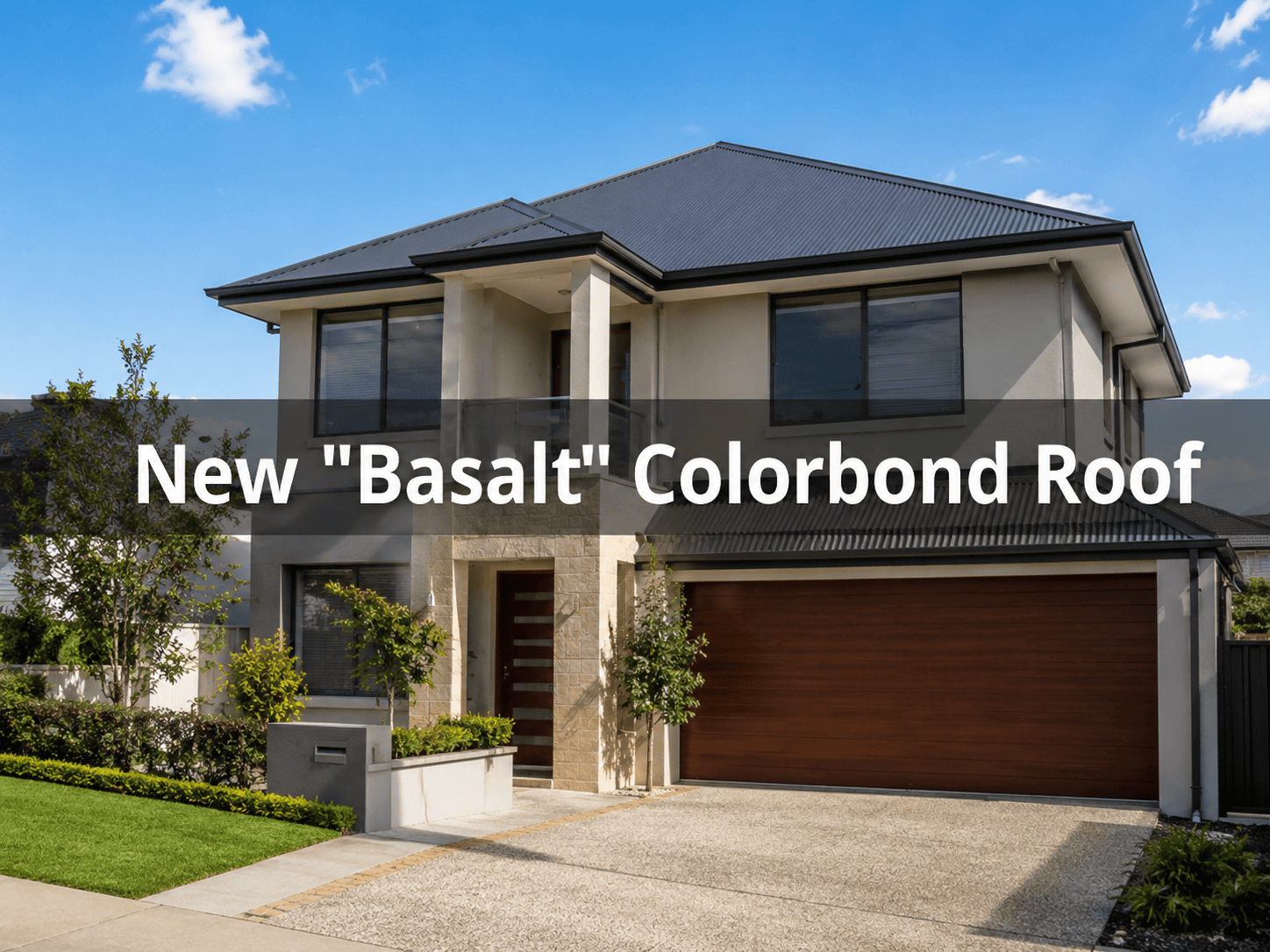

A tile-to-metal conversion may be worth considering where tiles have deteriorated across large areas, suitable replacements are difficult to source or repeated repairs offer limited value. It can also suit owners who want to change the roof’s appearance while renewing the existing covering.
Potential benefits include:
• Lower roof covering weight: metal roofing is generally lighter than concrete or terracotta tiles. The conversion still requires assessment of battens, fixings and tie-downs to suit the replacement system.
• A different appearance: a choice of metal profiles and finishes can complement older Adelaide homes as well as contemporary renovations. Our roof colour visualiser can help compare preferences before confirming available products and physical samples.
• Renewal of deteriorated components: removing the tiles provides access to assess exposed battens and supports, and install the specified roofing, flashings and associated components.
• An opportunity to improve comfort: suitable insulation and roof ventilation provisions can be planned while the covering is being replaced.
• A change in maintenance needs: conversion removes the need to maintain individual tiles and mortar-bedded ridge caps. Metal roofing still needs appropriate checks of sheets, fixings, flashings and drainage.
The outcome depends on the selected roofing system, preparation and installation. A metal roof does not automatically eliminate leaks, improve drainage or make a home cooler; these results depend on the details of the complete roof assembly.
Deadshort Services explains whether conversion offers practical value for your property. Where the tiled roof remains serviceable, targeted roof repairs or tile roof restoration may be sufficient.
Converting a tiled roof to metal roofing requires assessment of the supporting structure and connections. Although the replacement covering is generally lighter, the batten arrangement, sheet fixings and tie-down requirements still need to suit the proposed system and site conditions.
Deadshort Services checks accessible framing, battens and connections for visible deterioration and suitability for the planned work. Some areas remain concealed until the tiles are removed. Where structural suitability is uncertain or alterations are proposed, appropriate engineering advice and any required approvals need to be addressed before the affected work proceeds.
Preparation may include:
• Replacing or adjusting battens to suit the selected metal sheet profile and required support spacing
• Completing specified fixing and tie-down work
• Repairing deteriorated timber or arranging further assessment where damage is uncovered
• Preparing roof junctions, valleys and penetrations for compatible flashings
• Planning suitable underlay, insulation and roof-space ventilation provisions
Underlay and insulation are selected as part of the proposed roof assembly, taking account of installation requirements and moisture management. Our roof blanket guide explains this option, while suitable roof ventilation can be considered alongside the insulation arrangement.
The quote identifies known preparation and support work. If removing the tiles reveals additional deterioration, we explain the findings and proposed changes before proceeding. Related carpentry and property repairs can be coordinated within the agreed scope.


The replacement roofing needs to suit the roof pitch, layout, supporting arrangement and site exposure. Deadshort Services discusses suitable metal roofing options, including compatible Colorbond roofing systems, before confirming the proposed specification.
Selection involves more than colour. Sheet profile, permitted roof pitch, support spacing, fixing requirements and compatible flashings all influence the installation. Coastal exposure and nearby materials also need consideration when selecting products. Our roof colour visualiser can help compare preferences, with the final selection confirmed against available products and physical samples.
Once the required preparation is complete, installation may include:
• Specified underlay, roof blanket and insulation provisions
• Metal sheets installed to the selected system’s requirements
• Suitable fixings and connections to the prepared supports
• Ridge and hip cappings, valleys and perimeter flashings
• Flashing details around skylights, vents, flues and other penetrations
• Roof-edge details that direct runoff into the guttering
Removal and installation are sequenced around weather conditions, site access and practical protection of exposed areas. Before work begins, we explain material delivery, tile disposal, exclusion areas and any equipment removal or service interruptions.
Final checks cover the installed roofing and agreed associated work. Relevant care instructions and applicable product and workmanship warranty information are provided at handover.
A tile-to-metal conversion needs to account for how the replacement roofing connects with existing gutters, outlets and downpipes. Sheet profile, roof layout, discharge points and gutter condition influence the proposed arrangement. Existing drainage components may be retained where suitable; replacement is not automatically required.
Deadshort Services assesses accessible guttering and connections before defining associated work. Depending on the findings, this may include:
• Adjusting the roof-edge arrangement so runoff discharges into the gutters correctly
• Completing suitable gutter repairs or replacement
• Correcting unsuitable gutter falls, loose supports or damaged outlets
• Coordinating downpipe repairs, replacement or additional downpipes where assessment identifies a need
• Arranging fascia repairs before guttering is reinstated
• Renewing relevant valleys, flashings and drainage junctions through our roof plumbing team
Let us know about existing overflow, standing water or recurring blockages when arranging the conversion assessment. These concerns may involve gutter outlets, downpipes or downstream restrictions. Suspected underground faults may require separate stormwater investigation; replacing the roof covering will not resolve those restrictions.
The quote identifies which drainage components will be retained, altered or replaced, along with any further investigation required. Planning this work before installation helps coordinate roof edges, gutter supports and discharge connections with the new roofing system.

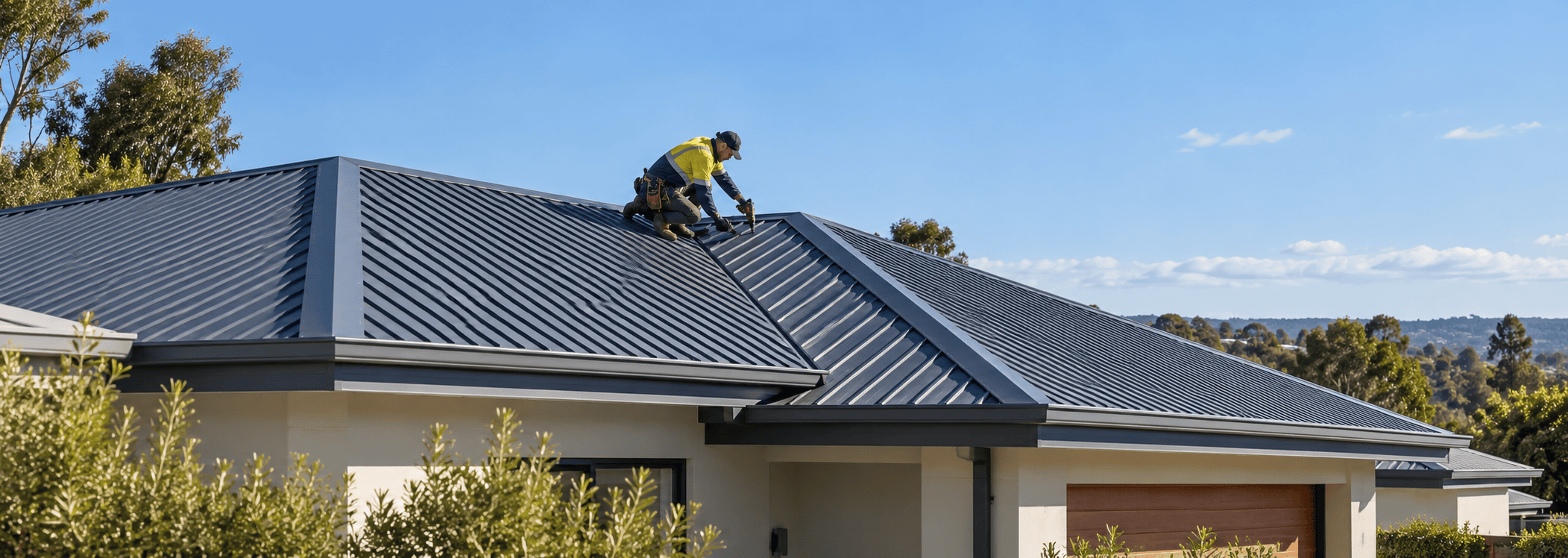
The choice depends on the condition of the existing tiles, supporting components and the work required. Recurring leaks or faded colour alone do not establish that conversion is necessary. Deadshort Services assesses the roof and explains whether targeted repairs, restoration or replacement offers practical value.
Tile roof restoration may be suitable where:
• Most tiles remain serviceable and suitable replacements are available for damaged sections
• Necessary tile, flashing and ridge capping repairs can be completed effectively
• The roof can be prepared for the proposed restoration treatment
• You want to retain the tiled appearance
Restoration may include cleaning, replacement tiles, rebedding or repointing and suitable finishing treatments. Coating suitability depends on the tile material and condition; concrete, terracotta and glazed tiles should not be assumed to require the same treatment.
A tile-to-metal conversion may deserve consideration where:
• Tile deterioration or breakage is widespread
• Matching replacement tiles are difficult to obtain
• Repairs across multiple areas would involve substantial work or repeated expense
• You prefer a metal roof profile and finish
• A replacement project provides an opportunity to coordinate insulation, ventilation and associated roofing work
Both options require existing leaks and defective components to be addressed. Structural deterioration needs separate assessment and is not resolved simply by restoring the tiles or changing the roof covering.
We explain the preparation, repairs, materials and associated work included so you can compare the proposed scopes. For broader replacement options, visit our roof replacement Adelaide page.
A tile-to-metal conversion involves roofing, supporting components, drainage and any equipment already on the roof. Deadshort Services explains the proposed system and coordinates the agreed work so these requirements are considered together.
• South Australian owned and operated
• More than 35 years of trade experience
• Roof & Gutter department led by a fully qualified roof plumber
• Our own qualified roof plumbers
• Approved RAA Trade Assist repairer
• Practical advice on conversion, repairs and restoration
• Clear scope for tile removal, preparation, roofing and associated work
• Coordination of electrical, air conditioning and property repair requirements
• Police-cleared staff
• Relevant care instructions and applicable warranty information at handover
Our multi-trade capability is particularly useful where solar equipment, evaporative air conditioning, skylights or deteriorated timber affect the conversion. You have one company and one scheduler to coordinate the agreed work.
One Number. One Call. Multiple Trades.
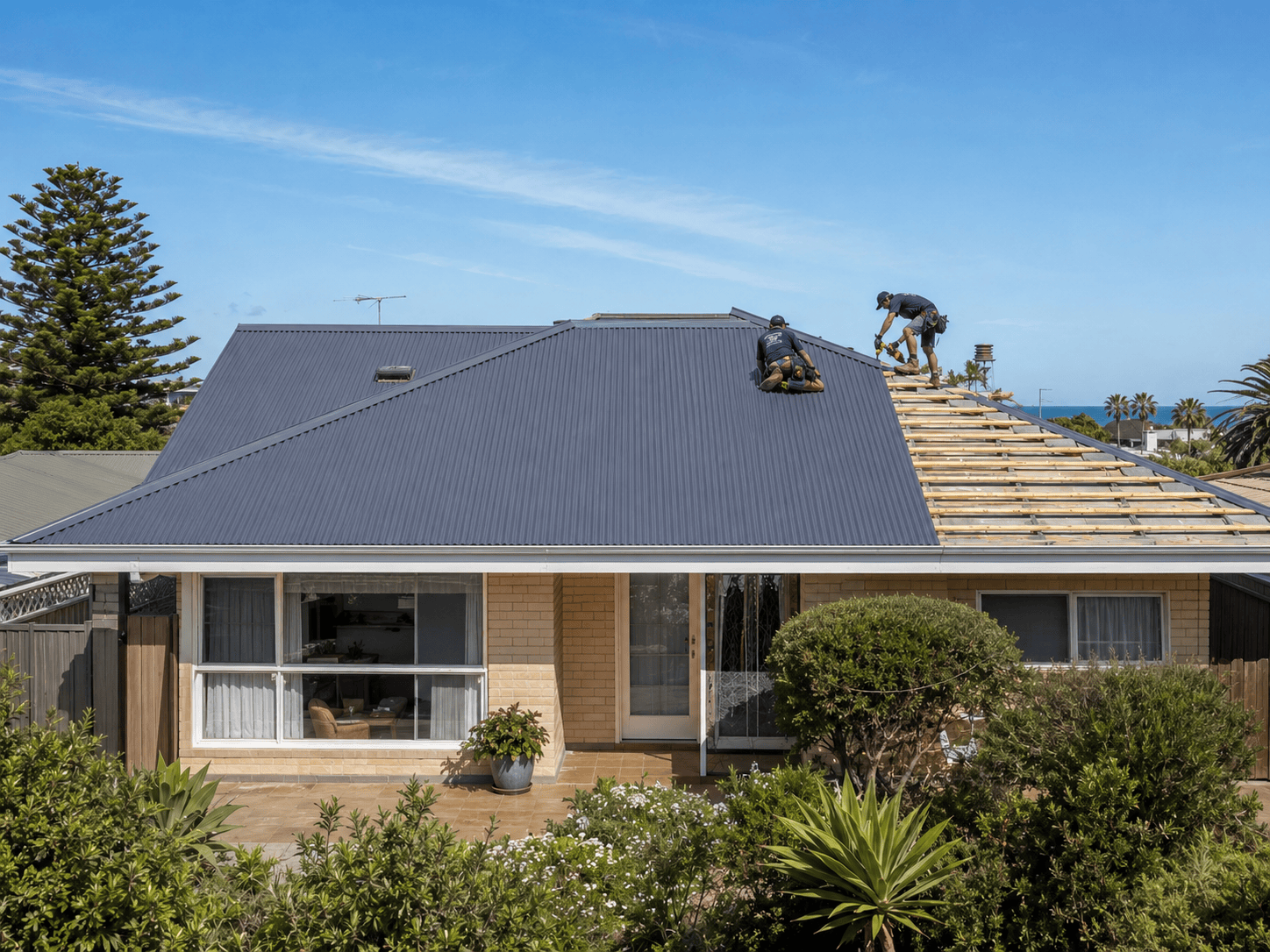
Often called a tile-to-iron conversion, it involves removing existing concrete or terracotta roof tiles and installing a suitable metal roofing system. The scope identifies the required battens, fixings, flashings, insulation provisions and associated work.
Conversion may be practical where tile deterioration is widespread, matching replacements are difficult to obtain or extensive repairs offer limited value. It can also suit owners seeking a different roof finish. Serviceable tiled roofs may still be suitable for repairs or restoration.
That depends on tile condition, repair requirements and your preferences. Tile roof restoration may suit serviceable roofing, while conversion replaces the covering with a different system. We explain the work involved so you can compare the proposed options.
Yes, suitable Colorbond roofing options can be considered. The sheet profile, finish and installation details need to suit the roof pitch, supporting arrangement and site exposure.
Generally, yes. However, reduced covering weight does not remove the need to assess battens, connections and tie-down requirements. The replacement assembly must suit the selected roofing system and site conditions.
They may. Existing batten spacing and connections may not suit the proposed metal sheets. Accessible components are assessed before quoting, with exposed areas checked after tile removal. Any required alterations or specialist advice are identified as part of the work.
Removing tiles may reveal deteriorated timber, damaged connections or other faults that were previously concealed. We explain the findings and proposed additional work before proceeding with the affected area. Further structural assessment may be required.
Tile removal and disposal can be included in the conversion quote. The scope identifies which materials will be removed and any exclusions. Suspected asbestos-containing materials require separate assessment and suitable handling arrangements.
Timing depends on roof size, layout, access, preparation, weather and associated equipment work. We discuss the expected sequence before starting. Concealed defects or unsuitable weather may change the schedule.
This depends on the work, access arrangements and site conditions. Roofing work creates noise and requires exclusion areas around material handling and removal. We discuss occupancy arrangements and any interruptions before work begins.
Removal and installation are sequenced around weather conditions and practical protection of exposed areas. Temporary coverings may be needed. We explain the proposed arrangements before starting, including any precautions for internal areas or belongings.
Not automatically. Serviceable components may be retained where suitable for the proposed roof. We assess relevant outlets and connections, with agreed gutter work and downpipe alterations identified in the quote.
Rain noise depends on the complete roof assembly, including insulation, roof blanket, ceiling construction and internal finishes. Suitable roof blanket and insulation provisions can help manage sound, but the finished result varies between properties.
Yes, suitable provisions can be planned during conversion. Insulation, underlay, condensation management and roof ventilation need consideration together. Products and associated work are confirmed in the agreed scope.
Affected equipment may need isolation, removal and reinstatement to allow roofing work. Our electrical and air conditioning teams can coordinate suitable work, with equipment condition, supports, connections and any necessary alterations confirmed before installation.
Suitable components may be retained with compatible supports and new flashing details. Others may need replacement or alteration to suit the metal roofing. Related skylight work and roof plumbing are included where agreed.
Sometimes. A separate roof section may suit conversion where its supports, drainage and junctions can be appropriately detailed. Mixed-material junctions require careful assessment, and a partial conversion may not address deterioration elsewhere on the roof.
Requirements depend on the property, proposed alterations and any planning or heritage constraints. We identify where further advice is needed so applicable requirements can be confirmed before the affected work proceeds.
Cost depends on roof area, pitch, layout, access, selected materials and preparation. Batten and tie-down work, drainage changes and equipment removal can also affect pricing. The calculator provides an indicative guide; a site assessment is needed to confirm the quoted scope and price.
Call (08) 8410 0887 or request an assessment online. Provide your property address, existing tile type if known and details of leaks, solar panels, skylights or roof-mounted cooling equipment.
Deadshort Services provides tile-to-metal roof conversions across metropolitan Adelaide for homes and suitable commercial properties. Contact our team with your property address, existing roof type and project details to confirm coverage and arrange an assessment.
Visit our Adelaide roof replacement service areas for suburb coverage.
Contact Deadshort Services to discuss replacing your existing tiled roof with a suitable metal roofing system. We assess the roof, explain material options and identify the preparation, drainage and equipment requirements for the proposed conversion.
Call (08) 8410 0887 or request a conversion assessment online. Include your property address, existing tile type if known, and details of solar panels, skylights or roof-mounted air conditioning.
One Number. One Call. Multiple Trades.
Click on some of our work below