






Air Conditioner Leaking Water Adelaide
If your air conditioner is leaking or dripping water inside your home, the cause should be investigated before the problem leads to damage around walls, ceilings, floors or cabinetry.
Some water around an outdoor reverse-cycle air conditioning unit can be normal, particularly during heating operation. However, water leaking from an indoor unit, dripping through a ceiling or pooling where it should not be can indicate a drainage, airflow or system fault.
Deadshort Services takes a repair-first approach. We diagnose the cause of the leak, repair the fault where practical and only discuss replacement where the existing system is no longer economical or reliable to repair.
For broader fault diagnosis and repairs, visit our air conditioning service and repair Adelaide page.
South Australian Owned – Licensed Air Conditioning & Electrical Technicians – Repair-First Diagnosis – Same-Day Attendance Where Available – RAA Trade Assist Provider
Why Is My Air Conditioner Leaking Water?
Air conditioning systems remove moisture from the air as part of the cooling process. This moisture normally collects inside the system and drains away through the condensate drainage system.
If water begins leaking from the indoor unit, ceiling space or surrounding area, the condensate may not be draining correctly or another system fault may be causing excess moisture or ice to form.
Common causes include:
• Blocked condensate drains
• Dirty or restricted filters
• Frozen indoor coils
• Condensate pump faults
• Incorrect drain fall
• Damaged or disconnected drain lines
• Dirty evaporator coils
• Fan or airflow problems
• Refrigeration-system faults
• Damaged drain trays
• Installation or drainage problems
The first important question is whether the water is coming from the indoor or outdoor part of the system.
Water outside can sometimes be normal. Water leaking inside the property should generally be investigated.
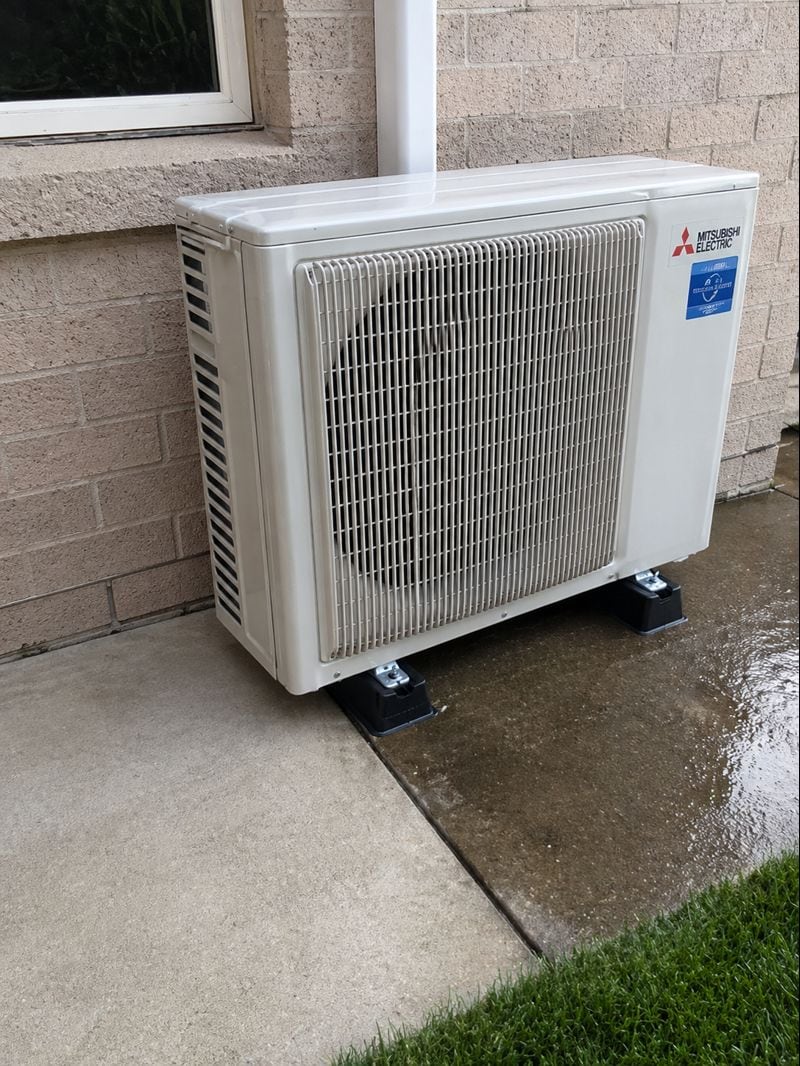
When Is Water From an Outdoor Air Conditioner Normal?
Water around an outdoor reverse-cycle air conditioning unit can be completely normal, particularly when the system is operating in heating mode.
During heating, the outdoor coil becomes cold. Moisture in the surrounding air can condense on the coil and drain through the base of the outdoor unit.
Outdoor water is more likely to be normal when:
• The system is operating in heating mode
• Water is draining from the base of the outdoor unit
• The indoor unit is heating normally
• The water drains away safely
• There are no fault codes or performance problems
• There is no unusual or excessive ice build-up
The amount of water can vary depending on temperature, humidity and operating conditions.
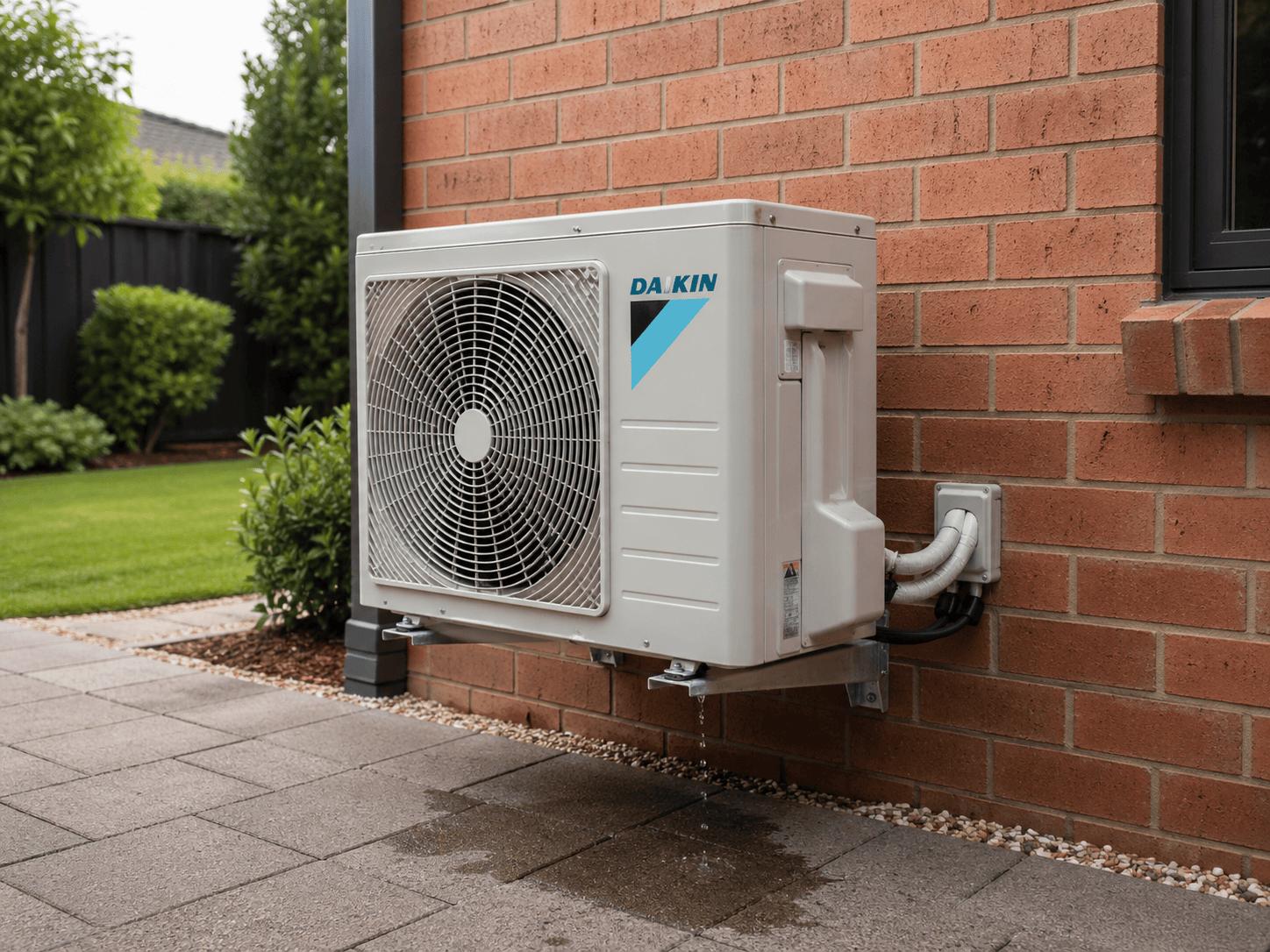
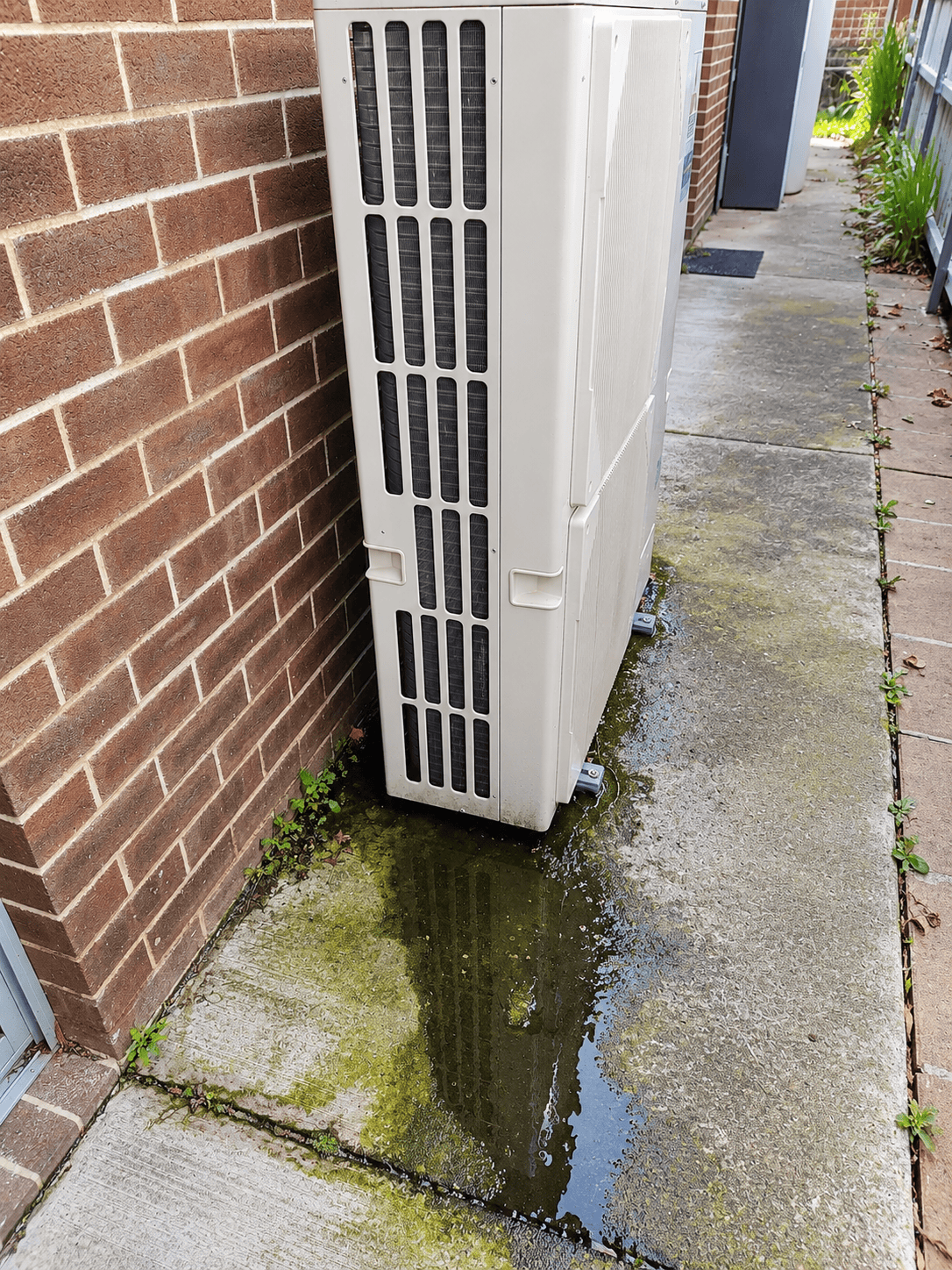
Air Conditioner Leaking Water Outside
Although some outdoor water is normal, excessive pooling or unusual drainage can still require attention.
Further investigation may be worthwhile where:
• Water pools heavily around the unit
• Water cannot drain away safely
• The outdoor unit is surrounded by leaves or debris
• Airflow around the unit is restricted
• Ice builds up excessively
• Heating or cooling performance has dropped
• The system is showing a fault code
• The air conditioner is tripping the power
• Water is running toward walls, foundations or electrical equipment
Outdoor units also need adequate airflow. If the unit is positioned too close to a wall, fence, screen, stored items or vegetation, hot or cold discharge air may recirculate around the unit and reduce performance.
If your air conditioner is also not heating or cooling correctly, visit our air conditioner not working Adelaide troubleshooting guide.
Air Conditioner Leaking Water Inside
Water leaking from an indoor air conditioner is more concerning than normal outdoor condensation.
Indoor leaks generally indicate that condensate is not draining correctly or that another fault is causing excess water or ice inside the system.
Common causes include:
• Blocked condensate drains
• Dirty filters
• Frozen coils
• Damaged drain trays
• Blocked condensate pumps
• Incorrect pipe fall
• Mould, algae or sludge inside the drain
• Refrigeration-system faults
• Installation problems
Water may drip directly from the indoor unit, run down the wall or appear through the ceiling.
If water is near power points, light fittings, switches, isolators or electrical wiring, switch the system off.
Deadshort Services can coordinate both air conditioning and electrical repairs Adelaide where water has affected electrical components or supply.
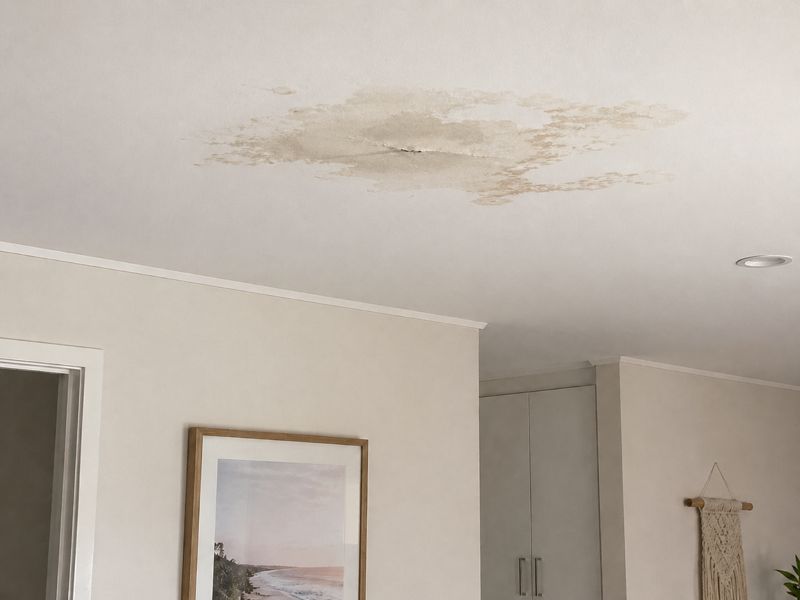
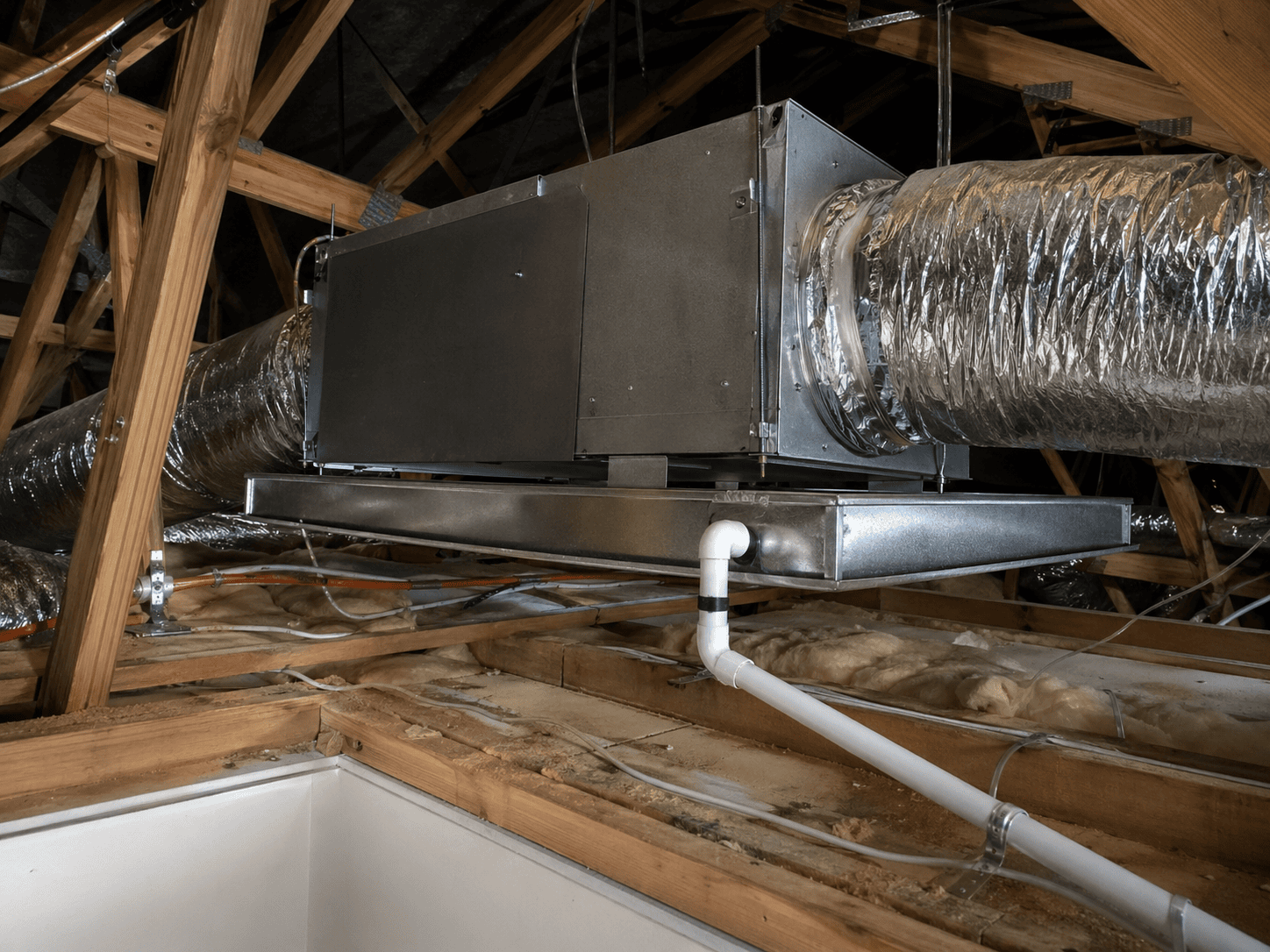
Blocked Air Conditioner Condensate Drain
A blocked condensate drain is one of the most common causes of water leaking from an air conditioner.
Dust, dirt, mould, algae, insects, sludge and other debris can restrict the drain line and prevent water from flowing away correctly.
Signs of a blocked condensate drain may include:
• Water dripping from the indoor unit
• Water pooling below the air conditioner
• Water backing up into the drain tray
• Musty smells
• Intermittent leaking during operation
• Water appearing after the system has been running for some time
The drain should be inspected and cleared properly rather than simply wiping away the visible water.
If the issue extends beyond the air conditioning condensate system, our plumbing Adelaide team can assist with related drainage problems.
Dirty Filters and Restricted Airflow
Dirty or heavily restricted filters can reduce airflow through the indoor unit.
Poor airflow may cause the evaporator coil to become excessively cold and contribute to ice forming on the coil.
When that ice melts, the volume of water can exceed what the drainage system can manage, leading to dripping or overflow.
Accessible filters should be checked and cleaned as part of basic troubleshooting.
For regular maintenance information, visit our air conditioning service Adelaide page.
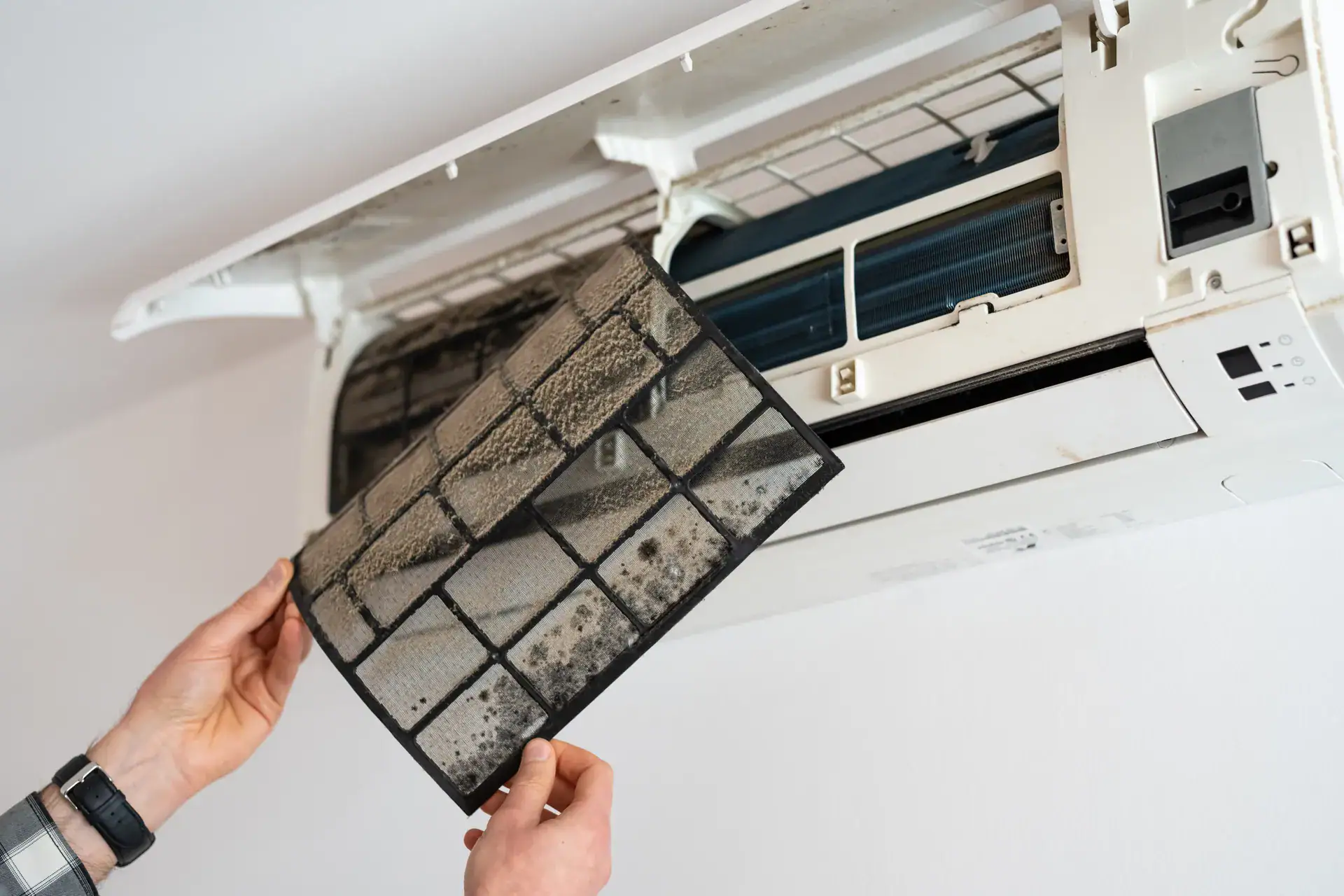
Frozen Air Conditioner Coil
Ice forming on the indoor coil can indicate an airflow, refrigeration or control problem.
Possible causes include:
• Dirty filters
• Restricted airflow
• Dirty evaporator coils
• Indoor fan faults
• Refrigeration-system faults
• Sensor problems
• Control faults
When the ice melts, water may overflow from the drain tray or leak from the indoor unit.
If ice continues forming after accessible filters and obvious airflow restrictions have been checked, further fault diagnosis is recommended.
Condensate Pump Faults
Some air conditioning installations use a condensate pump where water cannot drain away naturally by gravity.
If the pump fails, becomes blocked or cannot move the water away quickly enough, condensate may back up and leak from the system.
Possible signs include:
• Water leaking while the system is operating
• Water collecting around the pump reservoir
• Pump noise changing or stopping
• Intermittent water leaks
• Overflow from the indoor unit or drain tray
The pump should be diagnosed before replacement because the underlying problem may also involve blocked pipework or drainage.
Incorrect or Damaged Air Conditioning Drainage
Air conditioning condensate drains rely on correct fall and unrestricted water flow.
Leaks can occur where:
• The drain does not have sufficient fall
• Pipework has sagged or moved
• A drain line has become disconnected
• Pipework has cracked or been damaged
• Drain insulation has deteriorated
• Previous repairs or alterations have affected the drainage system
Correcting the drainage problem can often resolve the leak without replacing the air conditioning system.
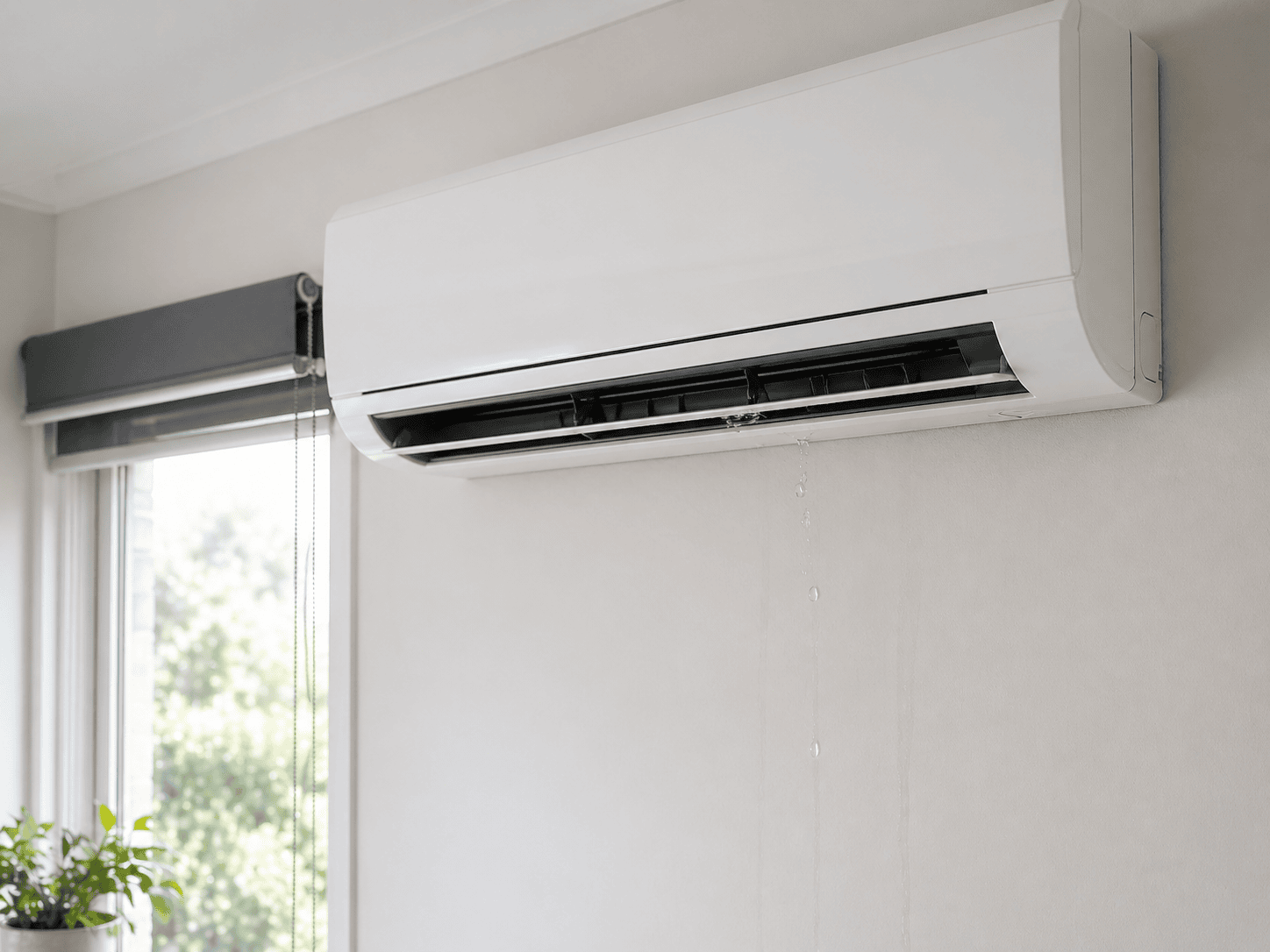
Split System Air Conditioner Leaking Water
A wall-mounted split system leaking water inside usually indicates a drainage, airflow or condensate problem.
The indoor unit removes moisture from the room air during cooling. This moisture should collect in the drain tray and flow through the condensate drain to a suitable discharge point.
Common causes of split-system water leaks include:
• Blocked condensate drain
• Dirty filters
• Frozen evaporator coil
• Incorrect drain fall
• Damaged drain tray
• Disconnected drain pipe
• Indoor fan problems
• Installation-related drainage faults
Water may drip directly from the indoor head unit or run down the wall beneath it.
For broader system information, visit our split system air conditioning Adelaide page.
Ducted Air Conditioning Leaking Water
A ducted air conditioner leaking water can cause significant damage because much of the indoor equipment and drainage may be located in the roof space.
You may first notice:
• Water stains on the ceiling
• Water dripping from a ceiling vent
• Damp or sagging plasterboard
• Damp insulation
• Water around the indoor fan coil
• Musty smells from the ceiling space
Common causes include:
• Blocked condensate drains
• Faulty condensate pumps
• Damaged drain trays
• Dirty filters
• Frozen coils
• Incorrect drainage fall
• Installation problems
Because ducted-system water leaks can be confused with roof leaks, identifying the actual source is important before repairs begin.
For more information about ducted systems, visit our ducted air conditioning Adelaide page.
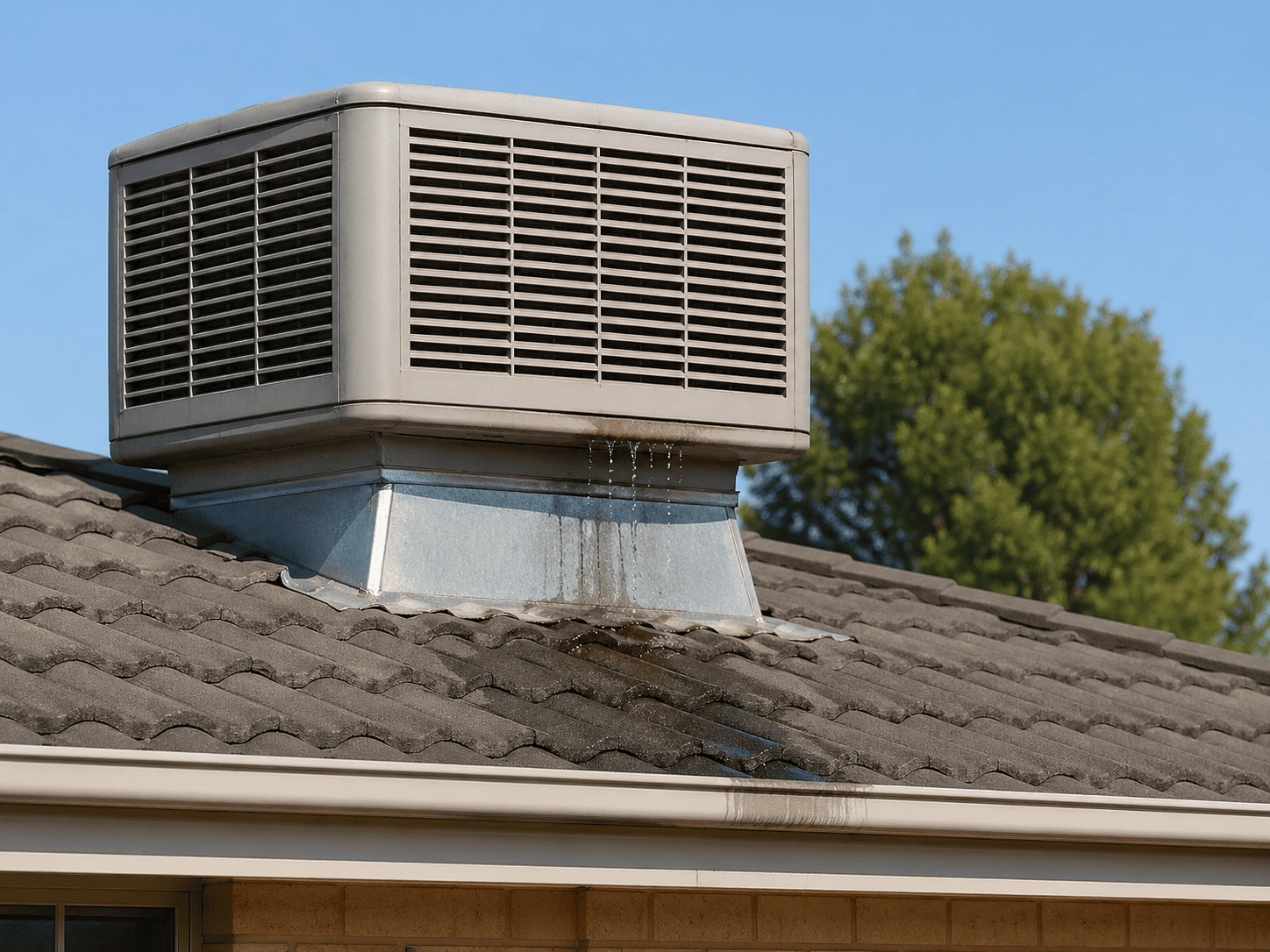
Evaporative Cooler Leaking Water
Evaporative cooling systems use water as part of the cooling process, so leaks can have different causes compared with refrigerated air conditioning.
Possible causes include:
• Faulty float valves
• Damaged water supply lines
• Drain valve faults
• Cracked or damaged trays
• Overflow problems
• Blocked drainage
• Deteriorated cooling pads
• Roof penetration or flashing problems
A leaking evaporative cooler can waste water, reduce cooling performance or allow moisture into the roof space.
Because these systems are roof-mounted, it can sometimes be difficult to determine whether the problem is coming from the air conditioner or the roof itself.
Where required, Deadshort Services can coordinate the air conditioning fault with our roof repairs Adelaide team.
Should I Turn Off an Air Conditioner That Is Leaking Water?
If water is leaking inside your home, it is generally sensible to switch the air conditioner off until the cause has been investigated.
Turn the system off if:
• Water is dripping from the indoor unit
• Water is running down a wall
• A ceiling stain is spreading
• Water is dripping near lights or power points
• The air conditioner is tripping the power
• Water is close to electrical wiring or equipment
• The system is making unusual noises
• Ice is repeatedly forming
If water is only draining from the outdoor unit while the system is operating in heating mode, it may be normal condensation.
However, unusual quantities of water, poor system performance or excessive ice should still be checked.
Air Conditioner Leaking Water and Not Cooling
If the air conditioner is leaking water and also not cooling properly, the two symptoms may be related.
Restricted airflow or refrigeration-system faults can cause the indoor coil to become excessively cold and freeze.
When the ice later melts, water can overflow from the system.
Possible causes include:
• Dirty filters
• Restricted airflow
• Frozen indoor coil
• Indoor fan problems
• Blocked condensate drainage
• Refrigeration-system faults
• Sensor or control faults
For broader troubleshooting, visit our air conditioner not working Adelaide page.
Air Conditioning Water Leak Diagnosis
Deadshort Services charges a diagnosis fee to attend and investigate air conditioning faults.
Where an air conditioner is leaking water, our technician may inspect:
• Filters and airflow
• Indoor coil condition
• Drain tray
• Condensate pipework
• Drain fall
• Condensate pump operation
• Indoor fan operation
• Refrigeration-system performance
• Outdoor unit operation
• Previous repairs or modifications
• Signs of surrounding water damage
The purpose of the diagnosis is to identify why the water is leaking before components are replaced.
Where the repair is practical and suitable parts or materials are available, we can proceed with your approval.
Where additional parts, labour or further work are required, we can provide a quote before proceeding.
When an Air Conditioning Water Leak Involves Another Trade
Some air conditioning leaks can overlap with drainage, electrical or building-related issues.
Because Deadshort Services provides multiple trades, we can coordinate related work where required.
This may include:
• Air conditioning technicians for the equipment fault
• Plumbing Adelaide support for condensate drainage problems
• Electrical repairs Adelaide where water has affected electrical components or supply
• Roof repairs Adelaide where water entry may be confused with, or combined with, a roofing leak
This can be particularly useful where the source of the water is not immediately obvious.
Repair or Replace an Air Conditioner That Is Leaking Water?
A leaking air conditioner does not automatically need to be replaced.
Many water leaks can be repaired where the underlying cause is a blocked drain, condensate pump fault, airflow issue or damaged drainage component.
The decision to repair or replace depends on:
• The cause of the leak
• Age and condition of the equipment
• Repair cost
• Availability of parts
• Previous breakdown history
• Overall system performance
• Refrigeration-system condition
• Whether the system still suits the property
Deadshort Services takes a repair-first approach where practical.
If the existing air conditioner can be economically and reliably repaired, we will explain the repair option first.
Where the system is badly damaged, unsupported or no longer economical to repair, we can discuss suitable air conditioning replacement and installation options.
Need Professional Air Conditioning Water Leak Diagnosis?
If the basic checks on this page have not identified or resolved the problem, Deadshort Services can inspect the air conditioner, diagnose the cause of the water leak and explain the available repair options.
For our complete repair service, visit air conditioning service and repair Adelaide.
For local coverage, visit air conditioning near me.
Air Conditioner Leaking Water FAQs
Is it normal for my air conditioner to leak water outside?
Yes, it can be normal for a reverse-cycle air conditioner to produce water outside, particularly during heating mode. Moisture can condense on the outdoor coil and drain through the base of the unit. However, excessive pooling, unusual ice build-up or poor system performance should be investigated.
Why is my reverse-cycle air conditioner dripping water in winter?
During heating operation, the outdoor coil becomes cold and moisture in the surrounding air can condense on it. This water normally drains through the outdoor unit and is not necessarily a fault.
Why is my air conditioner leaking water inside?
Common causes include blocked condensate drains, dirty filters, frozen coils, damaged drain trays, condensate pump faults or incorrect drainage. Indoor water leaks should be investigated because they can damage walls, ceilings and flooring.
Why is my split system leaking water?
A split system leaking water inside is commonly associated with blocked drainage, dirty filters, frozen coils, damaged drain components or incorrect drainage fall. The system should be inspected to identify the actual cause.
Can a blocked drain cause my air conditioner to leak?
Yes. A blocked condensate drain can cause water to back up into the drain tray and overflow from the indoor unit. Drain blockage is one of the common causes of indoor air conditioning water leaks.
Can dirty air conditioner filters cause water leaks?
Yes. Restricted airflow from dirty filters can contribute to the indoor coil becoming too cold and freezing. When the ice melts, excess water may overflow from the drainage system.
Why is my ducted air conditioner leaking through the ceiling?
The problem may involve the indoor fan coil, condensate drain, drain tray, condensate pump or associated pipework located in the ceiling space. Water appearing through plasterboard should be investigated promptly.
Why is my evaporative cooler leaking water?
Evaporative cooling leaks can be caused by float valves, water supply lines, drain valves, damaged trays, overflow problems or roof penetration issues. Because the unit is usually roof-mounted, the source should be properly identified before repairs are carried out.
Should I turn my air conditioner off if it is leaking water?
If water is leaking inside the property, dripping through a ceiling or appearing near electrical equipment, switch the air conditioner off and arrange further investigation.
Can water from an air conditioner cause electrical problems?
Yes. Water around wiring, power points, light fittings, isolators or other electrical equipment can create a safety risk. Deadshort Services can coordinate air conditioning and electrical fault investigation where required.
Do you charge a diagnosis fee for a leaking air conditioner?
Yes. Deadshort Services charges a diagnosis fee to attend, inspect the system and identify the likely cause of the water leak. Once diagnosed, we can complete the repair where practical and approved or provide a quote for further work.
Can you repair a leaking air conditioner on the same visit?
Some water-leak faults can be repaired during the initial visit where the fault has been identified and suitable parts or materials are available. Where additional parts or further work are required, we can provide a quote before proceeding.
Does a leaking air conditioner need to be replaced?
Not necessarily. Many air conditioning water leaks can be repaired. Replacement is generally considered where the system is badly damaged, unreliable, unsupported or no longer economical to repair.
Do you repair leaking air conditioners across Adelaide?
Yes. Deadshort Services provides air conditioning fault diagnosis and repairs across metropolitan Adelaide for split systems, ducted air conditioning, reverse-cycle systems and evaporative cooling equipment.
Air Conditioner Leaking Water Repairs Across Adelaide
Deadshort Services provides air conditioning fault diagnosis and repairs across Adelaide for leaking split systems, ducted air conditioning, reverse-cycle systems and evaporative cooling equipment.
If you are looking for local service in your area, visit our air conditioning near me page.
Book an Air Conditioner Water Leak Diagnosis in Adelaide
If your air conditioner is leaking or dripping water, Deadshort Services can inspect the system, identify the likely cause and explain the available repair options.
Our approach is simple: diagnose the leak first, repair where practical and consider replacement only where it makes better long-term sense.
Book Air Conditioning Fault Diagnosis Online
Or call (08) 8410 0887.


We are your go-to 24/7 Air Conditioning team in Adelaide with years of experience in the industry.
