Plumbing & Gas FAQ
Q- Do you charge hourly or quote jobs?
A- We can work on an hourly charge for adhoc repairs or we can provide a quote for the works.
Q- How long after you have visited my job will I receive my quote?
A- You should expect to have your quote back within 5-7 working days dependent on extent or the quote.
Q- How do I choose a reliable plumber or gas fitter in Adelaide?
A- Selecting a licensed and experienced professional ensures quality work and compliance with local regulations. Checking reviews and seeking recommendations can aid in making an informed decision.
Q- Why is my water bill unusually high?
A- High water bills can be due to leaks, running toilets, or increased usage. Inspecting fixtures and monitoring usage can identify the cause and installing flow restrictors.
Taps
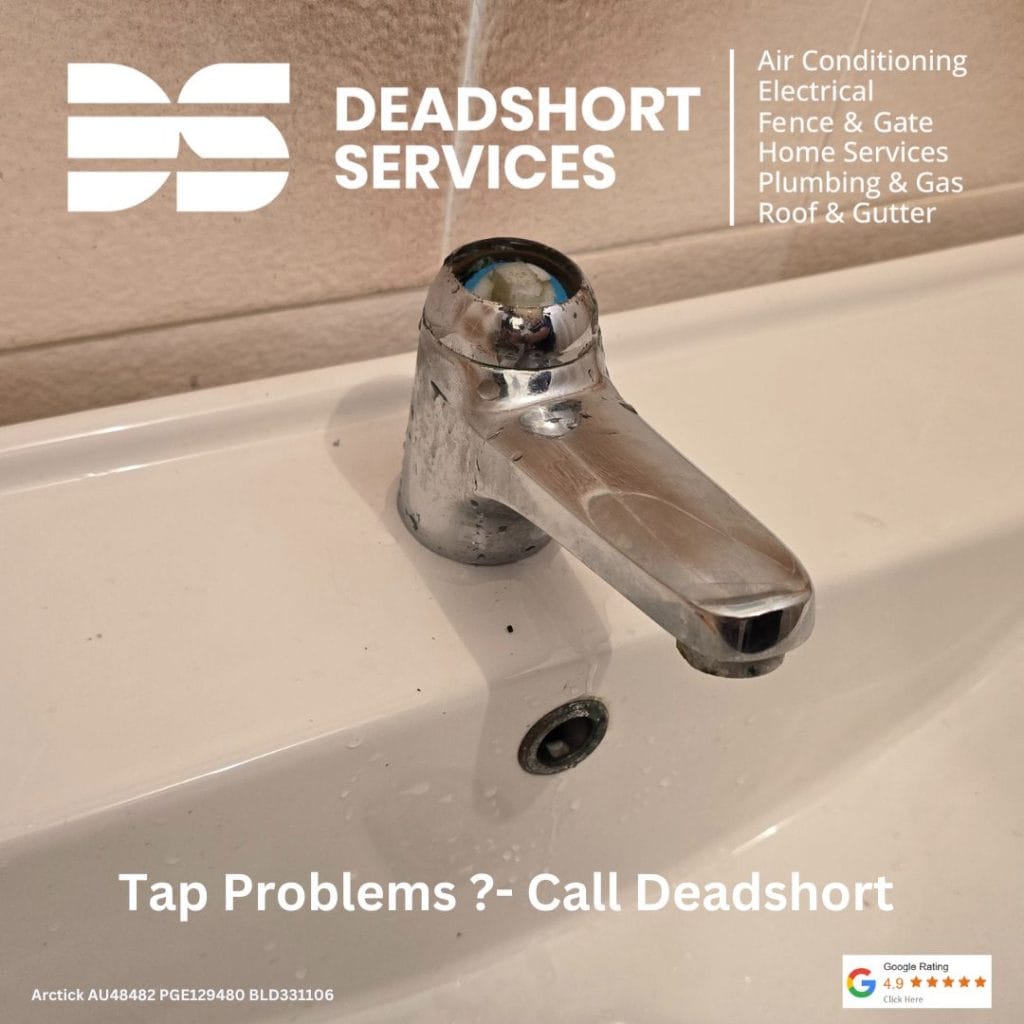
Q- Why is my tap constantly dripping, and how can I fix it?
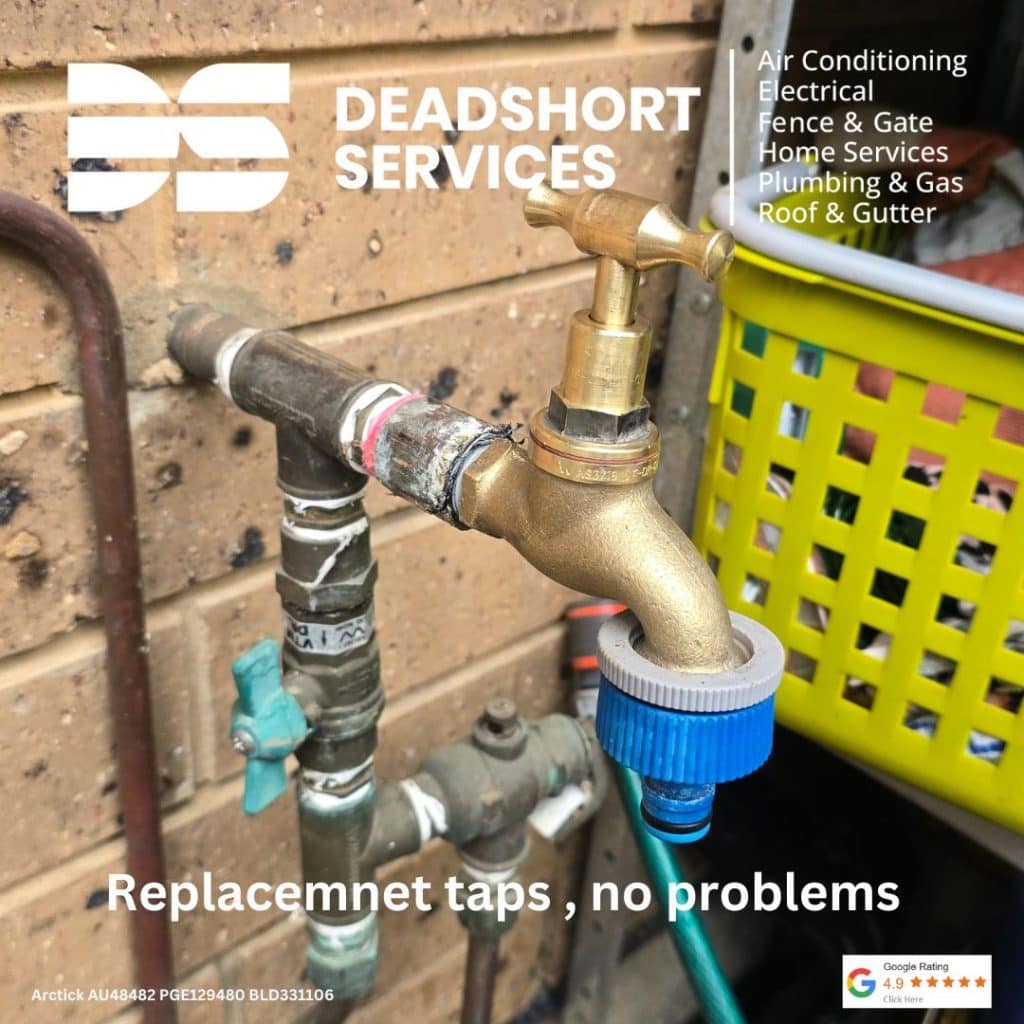
A- Dripping taps are often caused by worn-out washers or O-rings. Replacing these components usually resolves the issue.
Q- Can I provide our own tap sets?
A- Yes you can either provide them for our plumbers or we can source then for you.
Q- why do my taps leak?
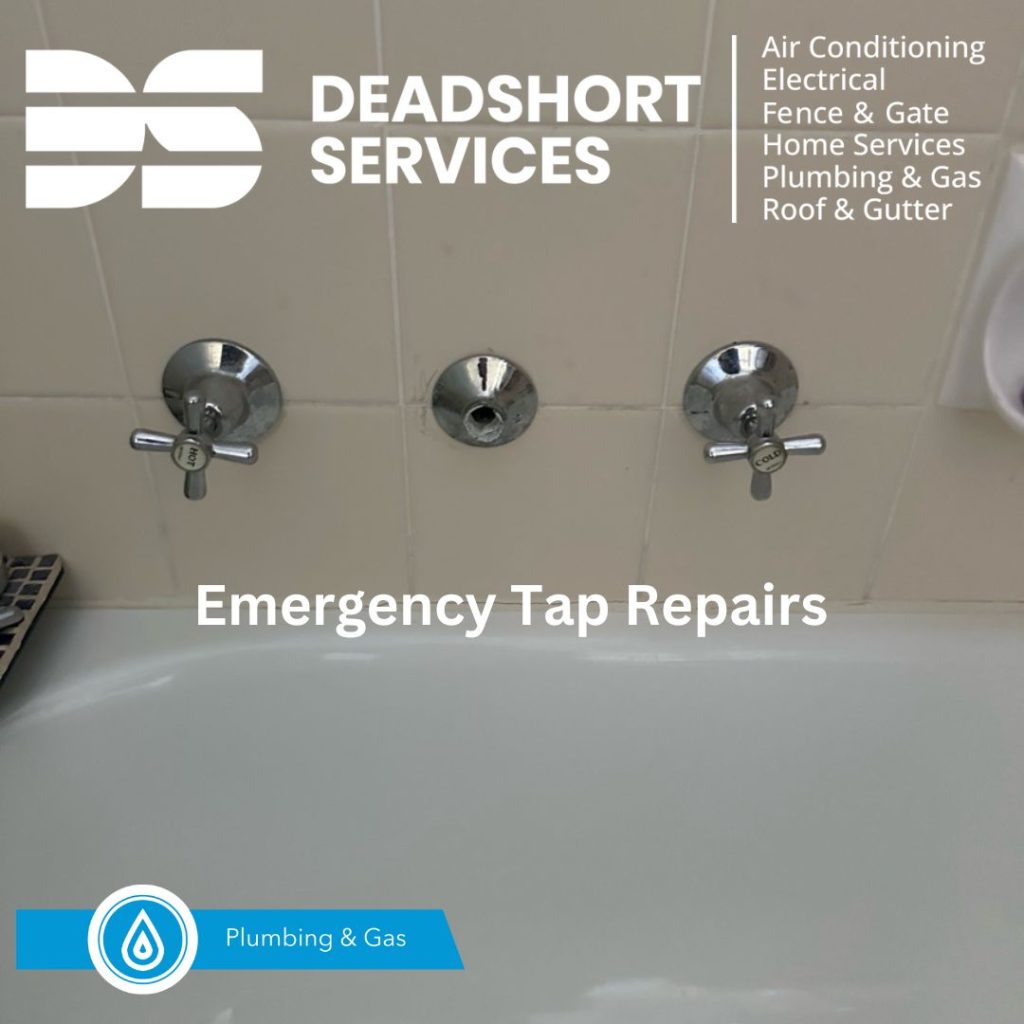
A-aps usually leak due to worn washers, damaged O-rings, faulty cartridges (in mixers), or corroded valve seats. Over time, these parts degrade, allowing water to seep through even when the tap is turned off.
Q- why do my pipes make a noise or knocking sound?
A- Knocking or banging sounds in your pipes—often called “water hammer”—are usually caused by sudden changes in water pressure. This can happen when taps shut off quickly, valves are faulty, or pipes aren’t properly secured, allowing them to vibrate against walls or framing.
Q- How do i fix a leaking tap?
A- To fix a leaking tap, start by turning off the water supply to prevent further leakage. Next, dismantle the tap by removing the handle and cover, then inspect the internal components. Most leaks are caused by worn washers, cartridges, or O-rings, which should be replaced with the correct parts. If the valve seat is corroded, it may need to be cleaned or reseated. Once the faulty components are replaced, reassemble the tap and turn the water back on to check for leaks. If the tap continues to drip or you’re unsure about the repair, it’s best to call a licensed plumber to ensure the job is done properly without causing further damage.
Q- What is a leaking Breecher?
A –leaking breecher (often spelled breacher or more accurately referred to as a breech piece) is a common plumbing issue found in older-style three-piece tap setups, especially in showers or baths. The breech is the horizontal pipe that connects the hot and cold taps to the central outlet or spout.
When a breech piece leaks, it usually means there’s a crack, corrosion, or failed joint inside the wall, often caused by age, water pressure, or poor installation. This can lead to water escaping behind tiles or into wall cavities, potentially causing significant damage over time.
Because it’s concealed behind the wall, a leaking breech usually requires a licensed plumber to locate, access, and repair or replace the pipe properly—often involving re-tiling or patching once the work is complete.
Q- Why is my tap still leaking after i have change the washer ?
A- If your tap is still leaking after you’ve replaced the washer, there may be other underlying issues causing the problem. A common culprit is a damaged or corroded valve seat—the surface the washer presses against—which, if worn, won’t allow a proper seal. The washer itself may be the wrong size or made from low-quality material, leading to poor sealing even if installed correctly. Leaks can also persist if the O-rings or spindle seals are worn, allowing water to escape around the base or handle. In some cases, the tap body may be cracked or internally damaged, especially in older fixtures. Additionally, over-tightening during reassembly can deform components and prevent a watertight seal. When these issues occur, it’s often more effective to have the tap serviced or replaced by a licensed plumber to ensure a lasting fix.
Q- What happens if I decide to go ahead with my quote?
A- You will receive a deposit invoice for payment, once this has been done we will order the appropriate items for you job and book it in providing a time for install, final balance payment is required on job completion and sign off.
Q- How long will I need to wait to get my job done?
A- Dependent on availability of materials we generally allow 7-14 working days booking time to commence works.
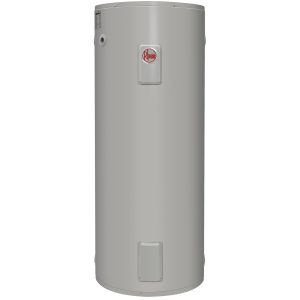
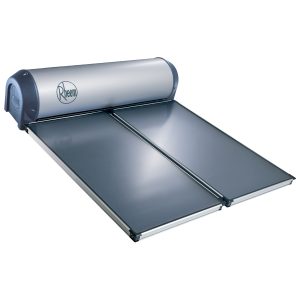
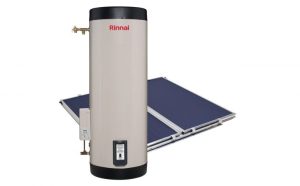
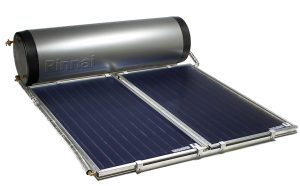
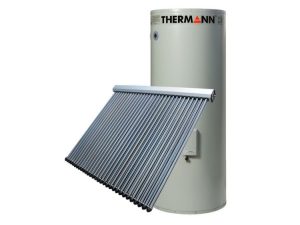
Hot water related Questions
Q- Why is my hot water system not working?
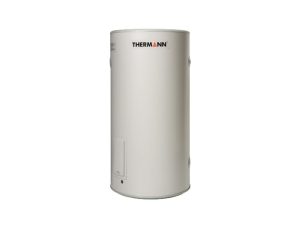
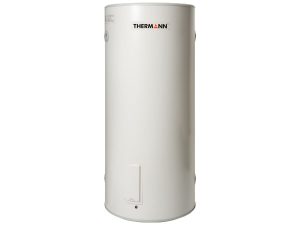
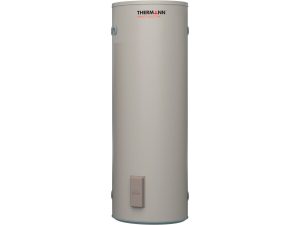
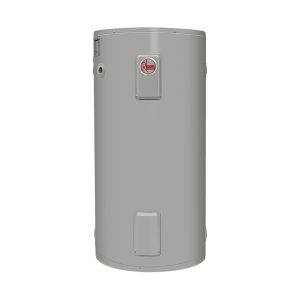
A- Hot water system failures are common, particularly in colder months. Issues can stem from faulty thermostats, sediment buildup, or aging systems. Regular servicing can extend the lifespan of these units.
Q- How do I choose the right hot water system for my home?
A- Consider factors like household size, water usage patterns, and energy efficiency when selecting a system. Consulting with a professional can provide tailored recommendations.
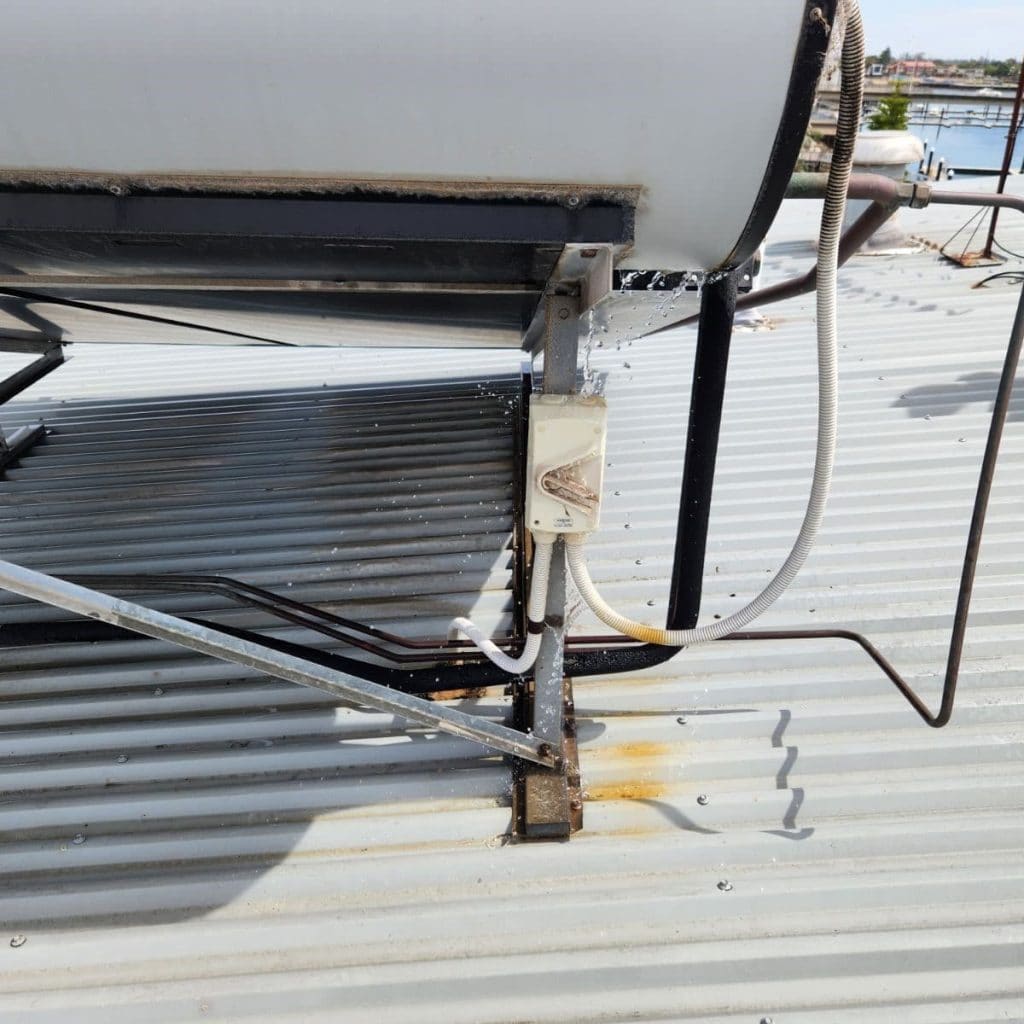
Q- What does water leaking from my Hot Water System mean ?
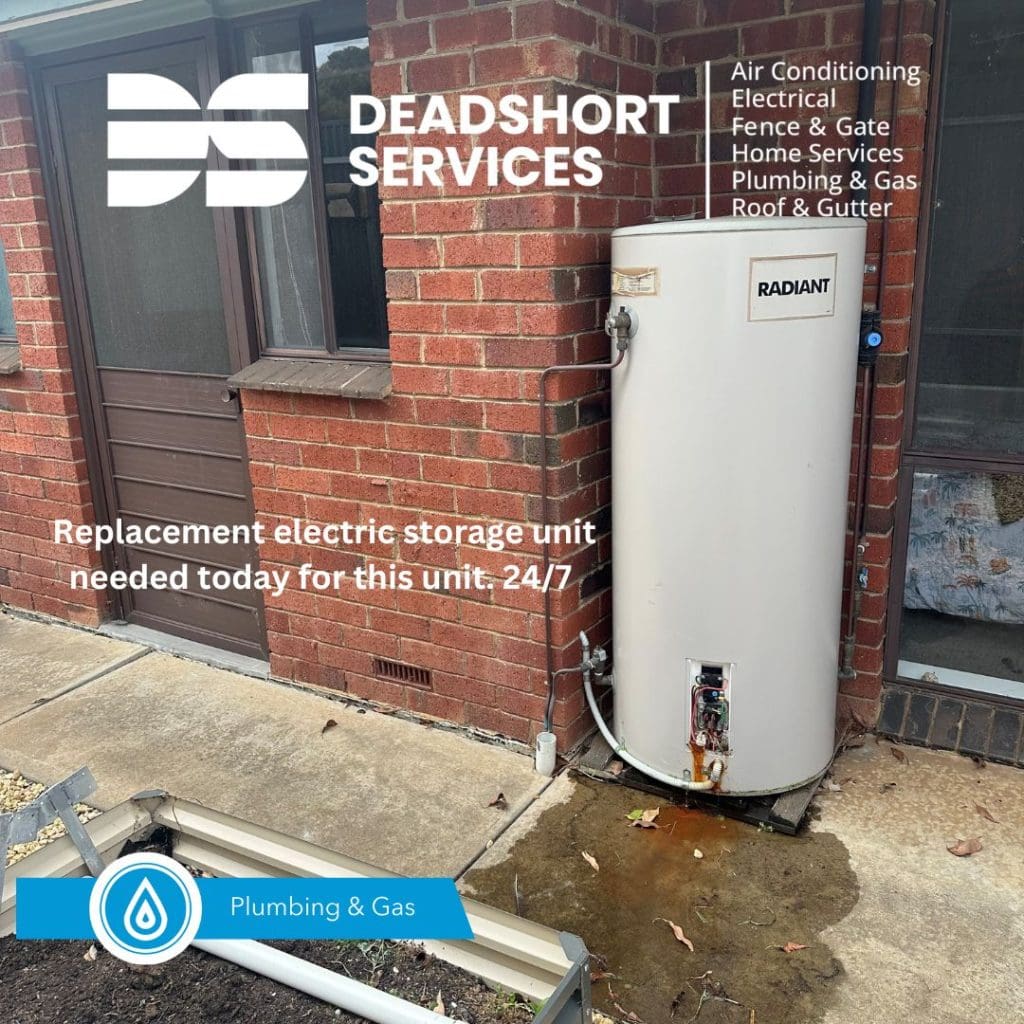
A- Sometimes water leaking can mean the tank has ruptured or it could simply be a faulty joint.
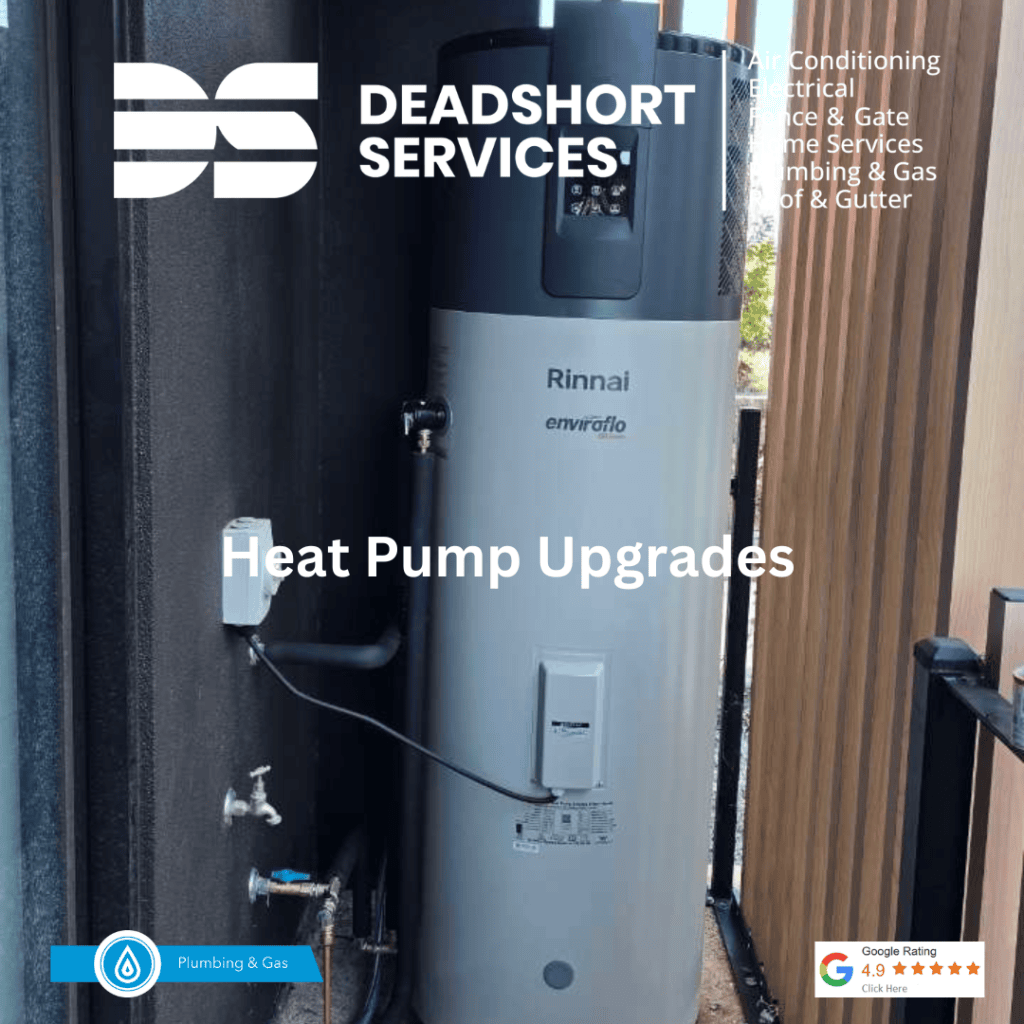
Q- what type of hot water system is best for my home?
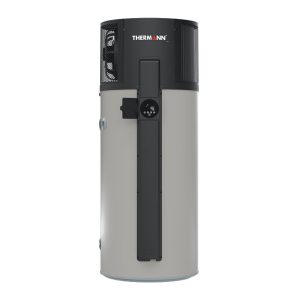
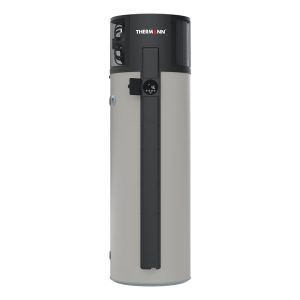
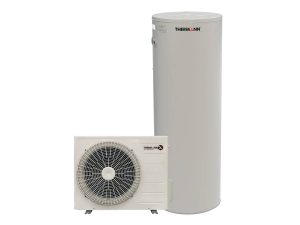
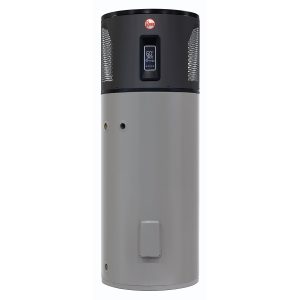
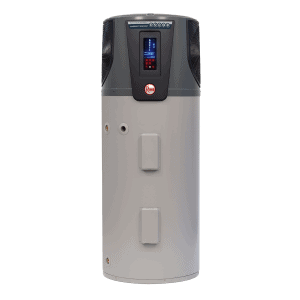
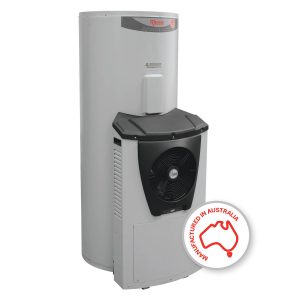
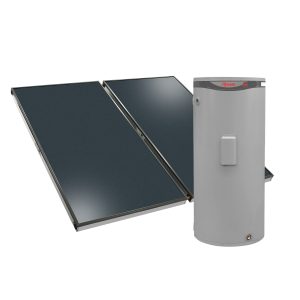
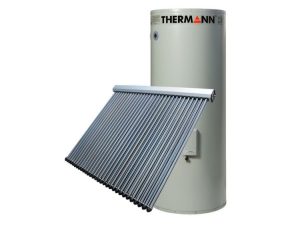
A- The best hot water system depends on your household size, water usage, and energy source. Gas continuous flow suits larger families, while electric or heat pump systems are efficient for smaller homes. Deadshort Services licensed plumbers can assess your setup and recommend the ideal system for long-term reliability and cost savings.
Q- What rebates are available in South Australia for Hot water systems?
A- Depending on the time and your location, Councils and Government rebate are available for certain installs, check in with Deadshort Services at the tie and we can advise of any current rebates available.
Q- How long does a Hot Water System typically last?
A- Depending on the type of system, maintenance and location of the unit, systems can generally last between 10-15 years.
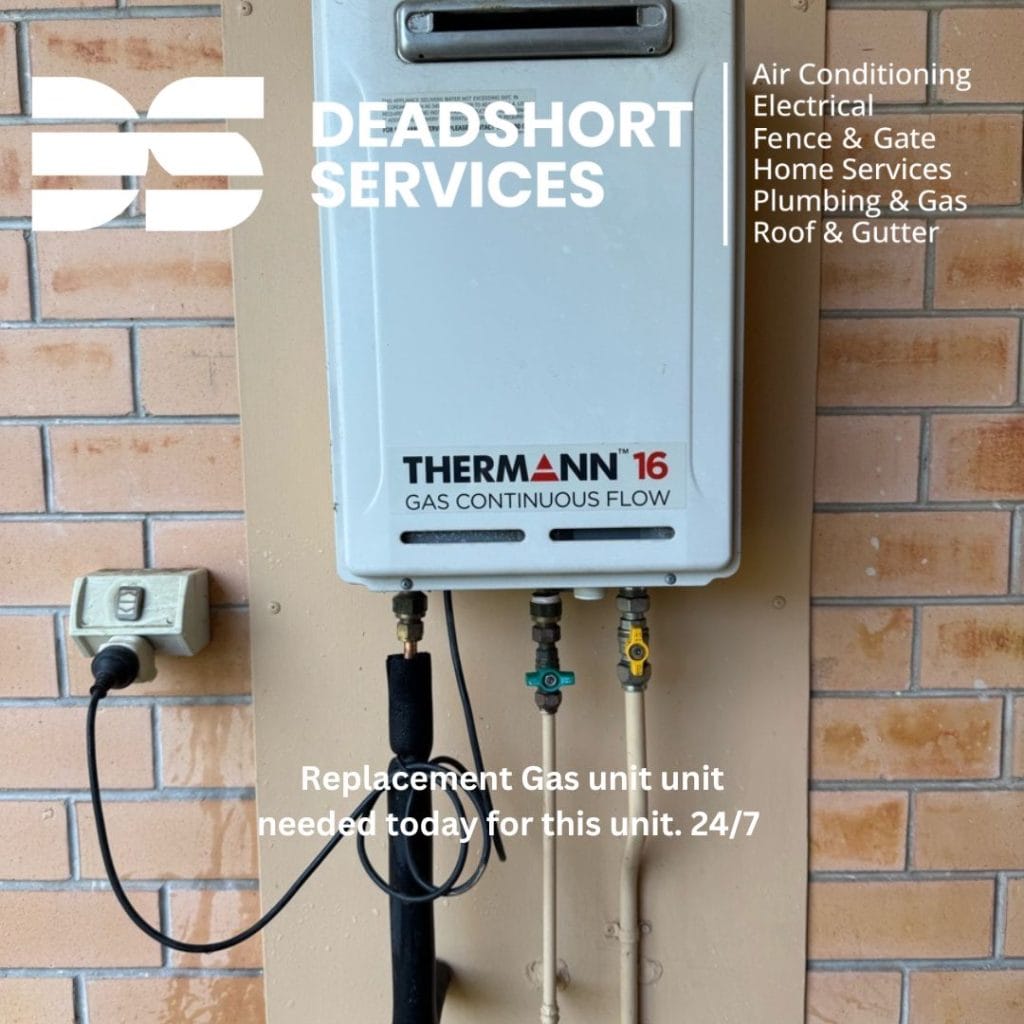
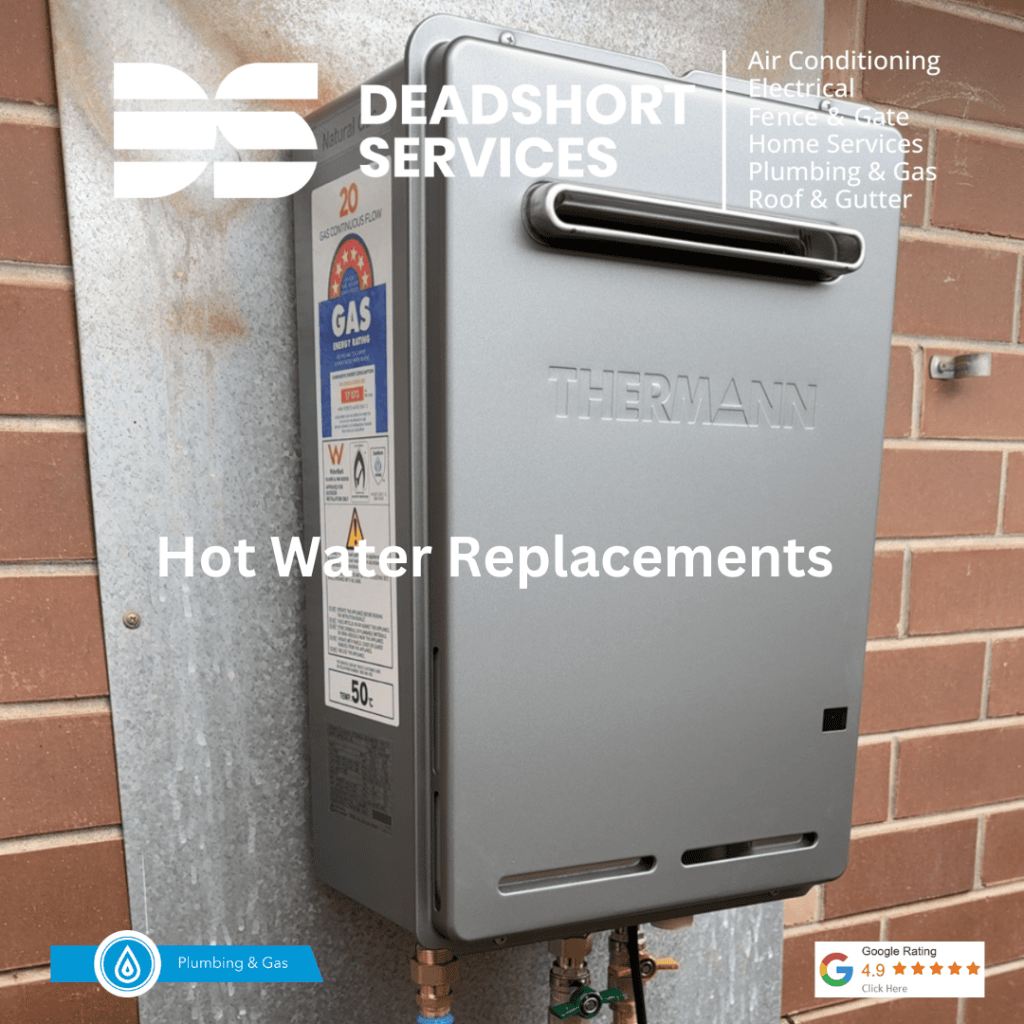
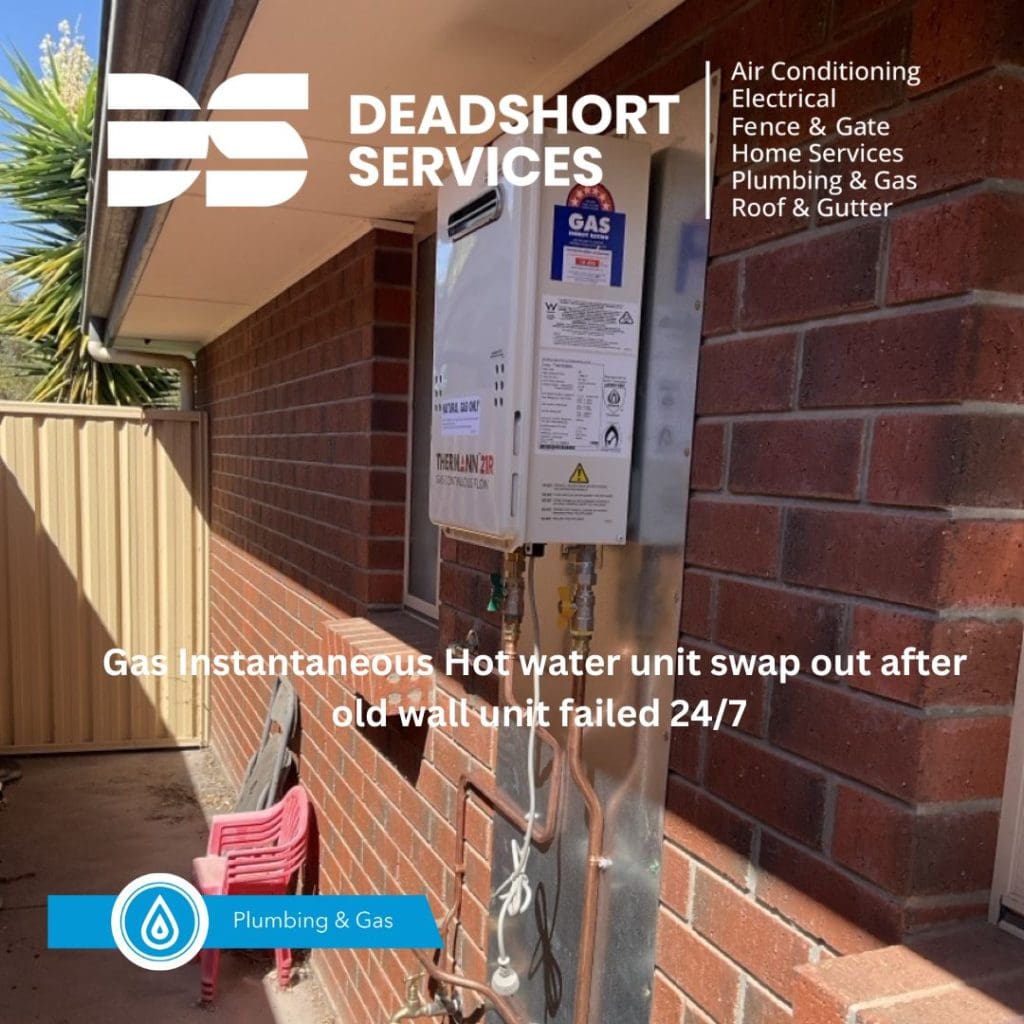
Q- How fast can you swap over our damaged Hot water System ?
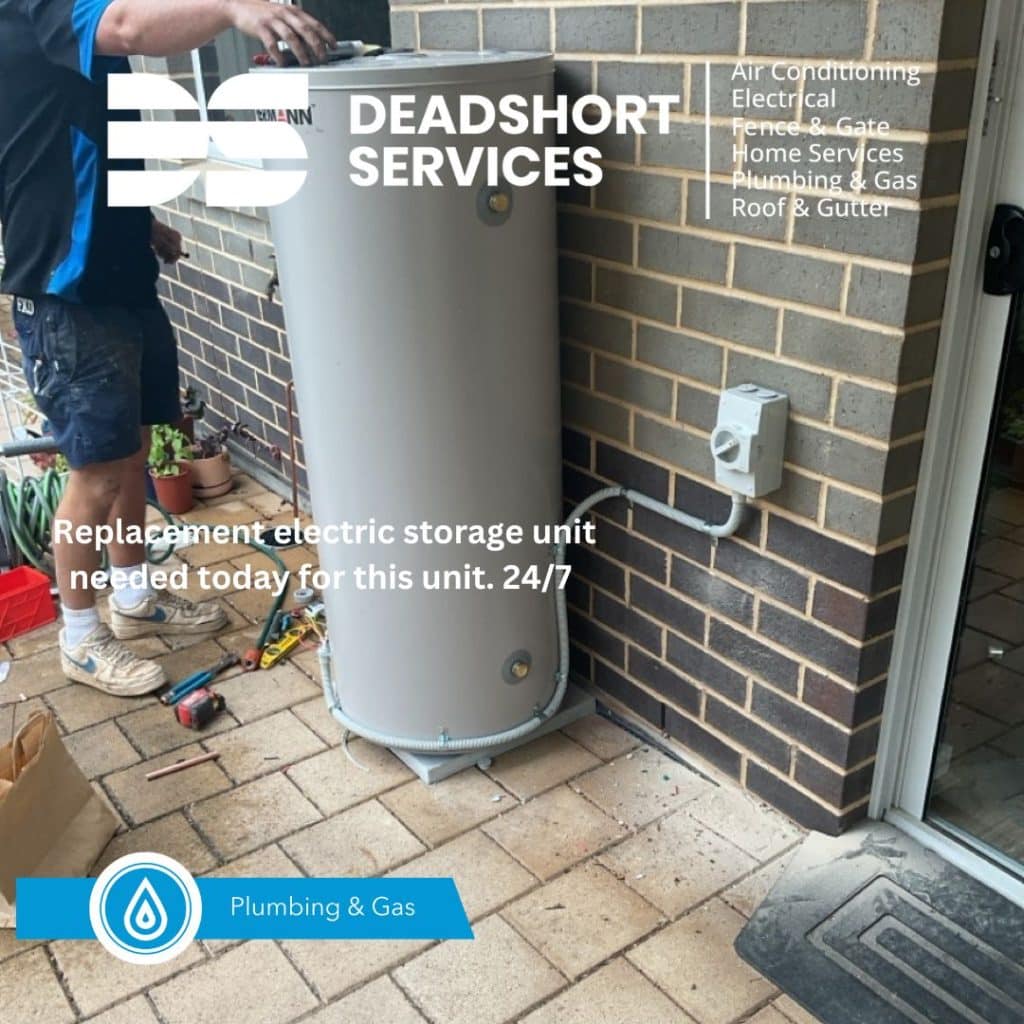
A- We provide same day emergency temporary hot water units if required until the new system in installed, but typically most units can be swapped over same day or next day.
Drain Related Questions
Q- What causes a foul smell from drains?
A- Bad odors can result from trapped food particles, grease buildup, or dry P-traps. Regular cleaning and running water through unused drains can help.
Q-How do I clear a blocked drain?
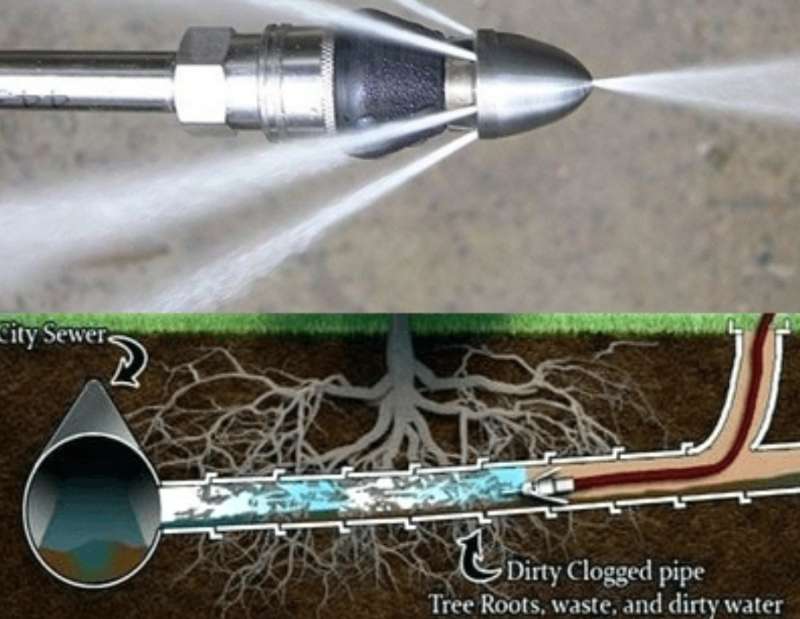
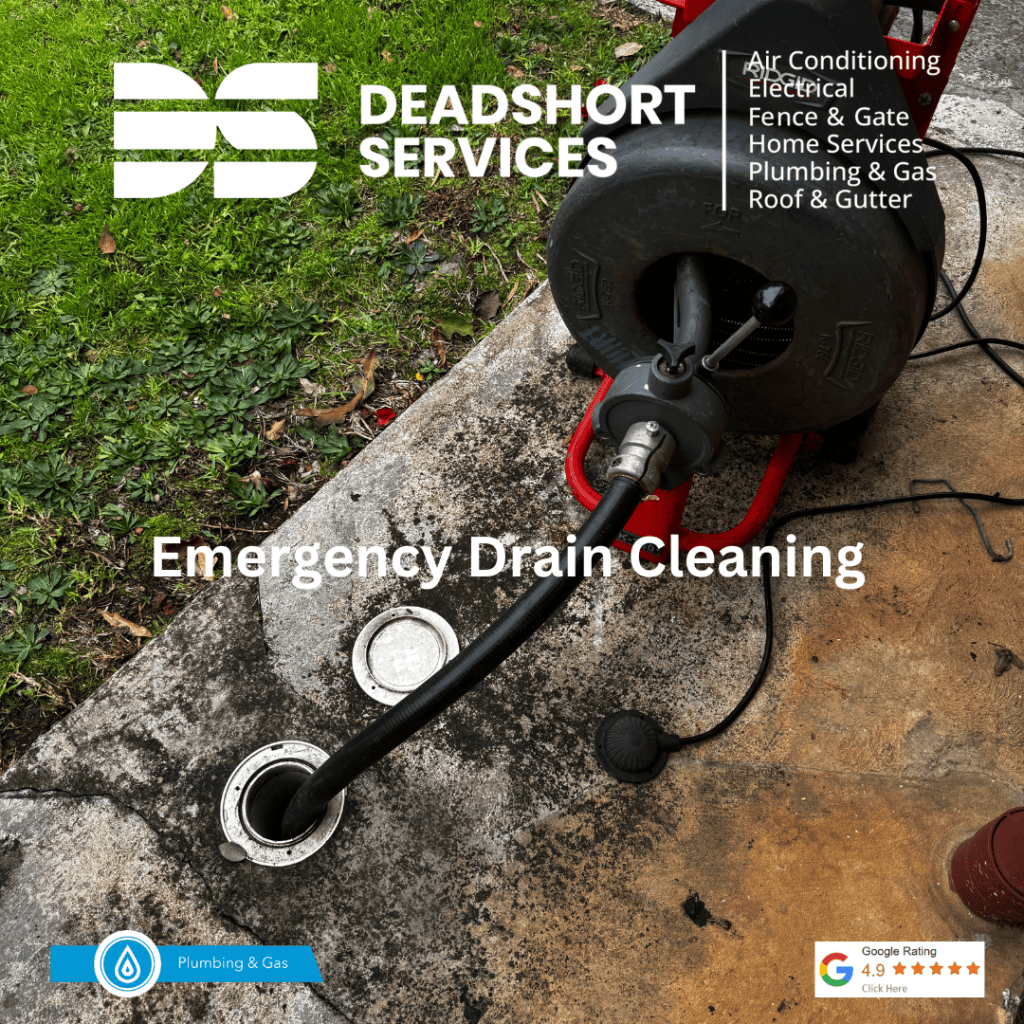
A- Blocked drains are commonly due to accumulated hair, grease, or foreign objects. Using a plunger or a drain snake can be effective. For persistent blockages, professional hydrojett cleaning may be necessary.
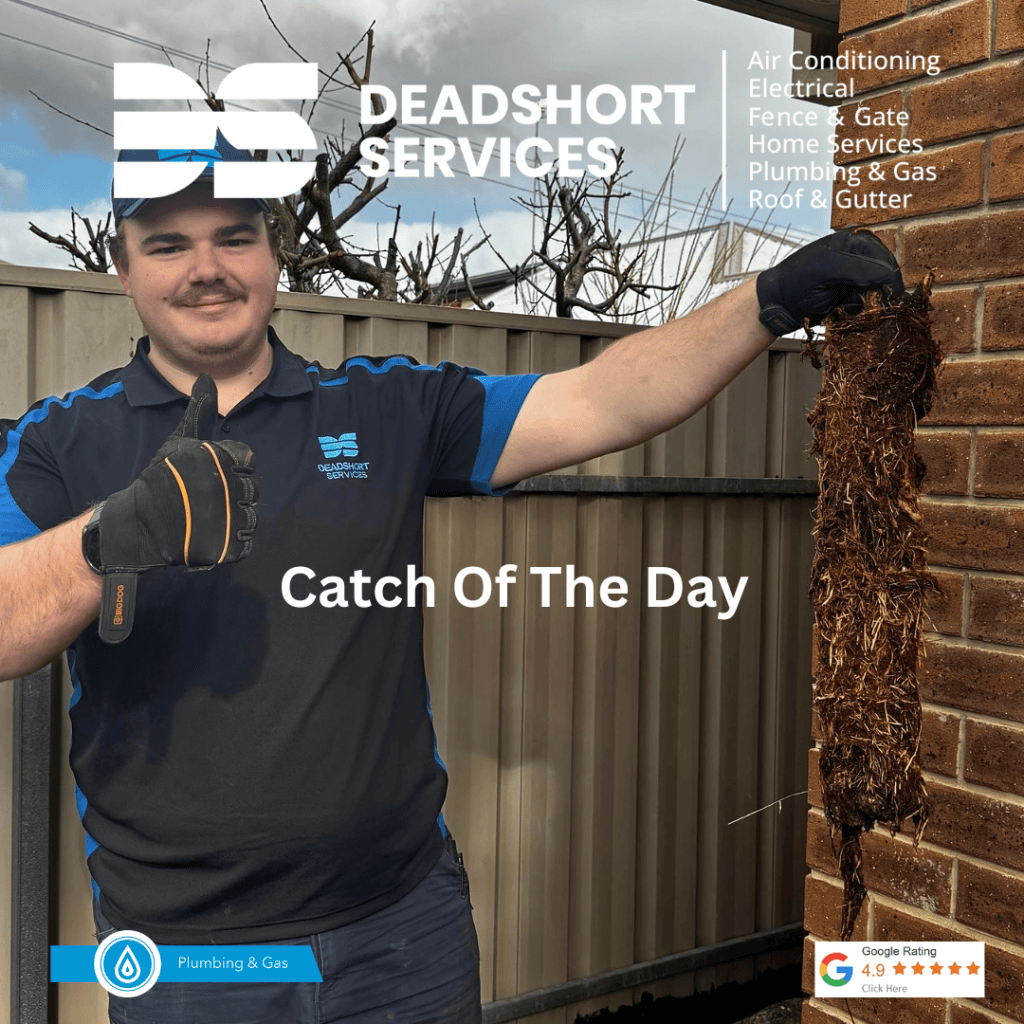
Q- Can tree roots cause plumbing issues?
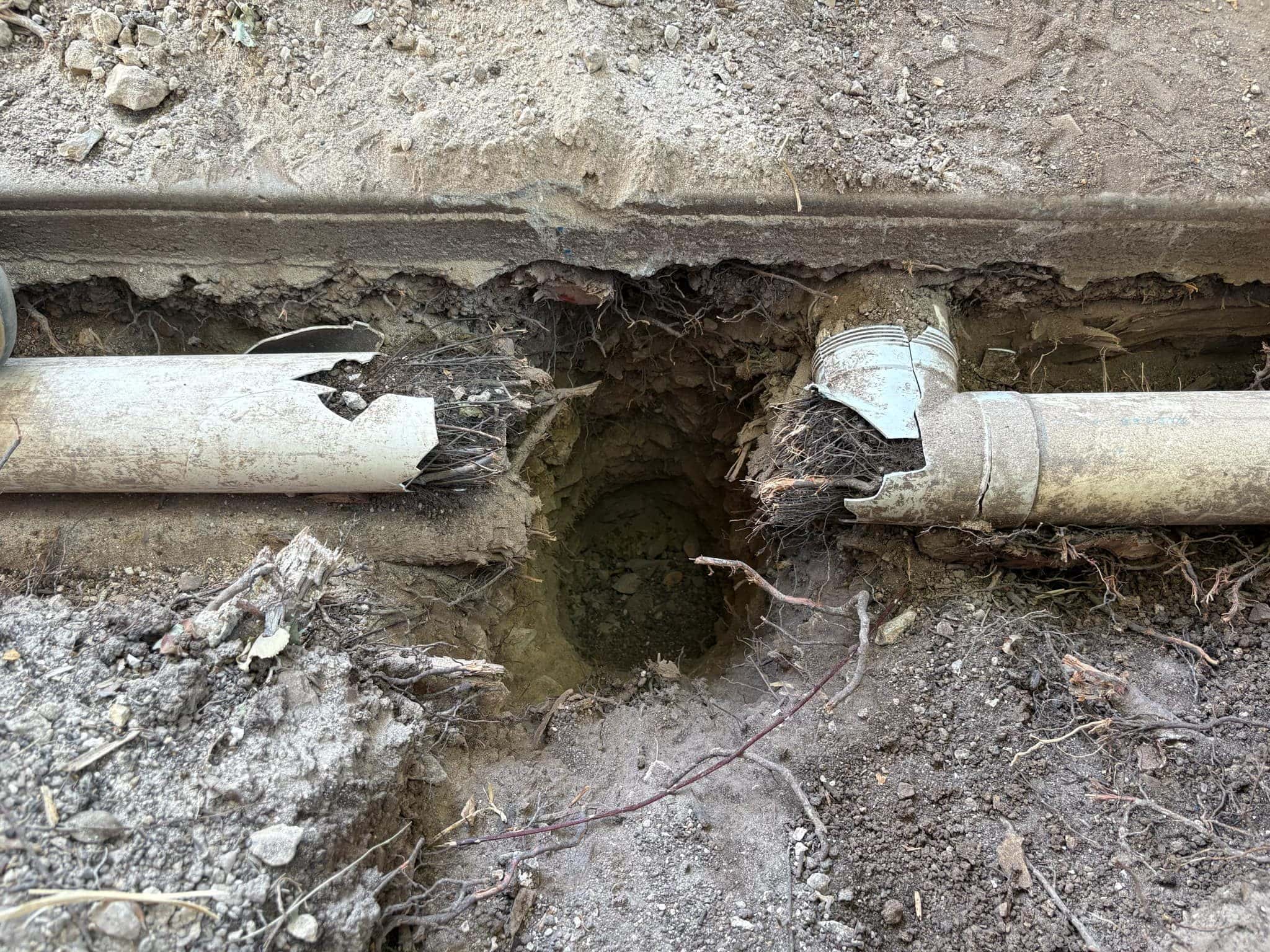
A- Yes, tree roots can infiltrate sewer lines, leading to blockages and potential pipe damage. Regular inspections with CCTV cameras can prevent severe problems.
Q I have a damp section in my garden, what does that mean?
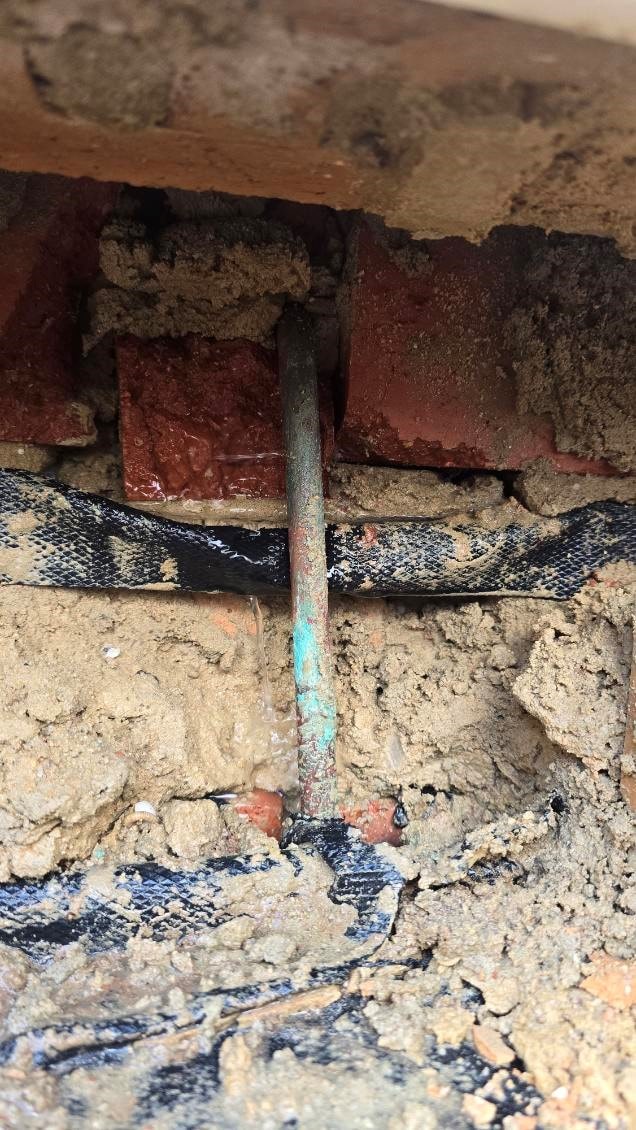
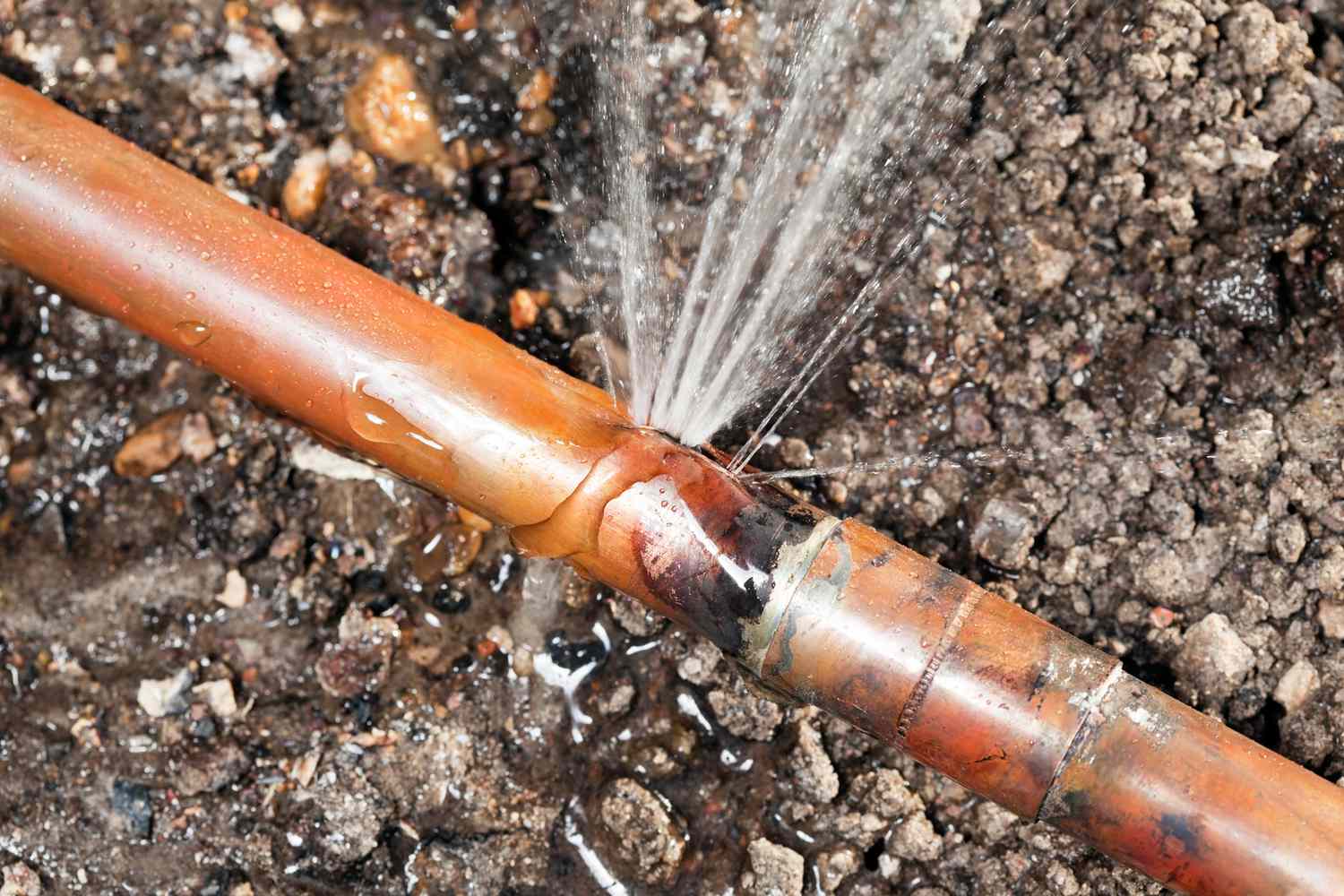
A – you may have a small leak in your incoming water pipe, a pressure test should be conducted.
Q- What is the difference between a hydrojett and a drain machine for use on my drains?
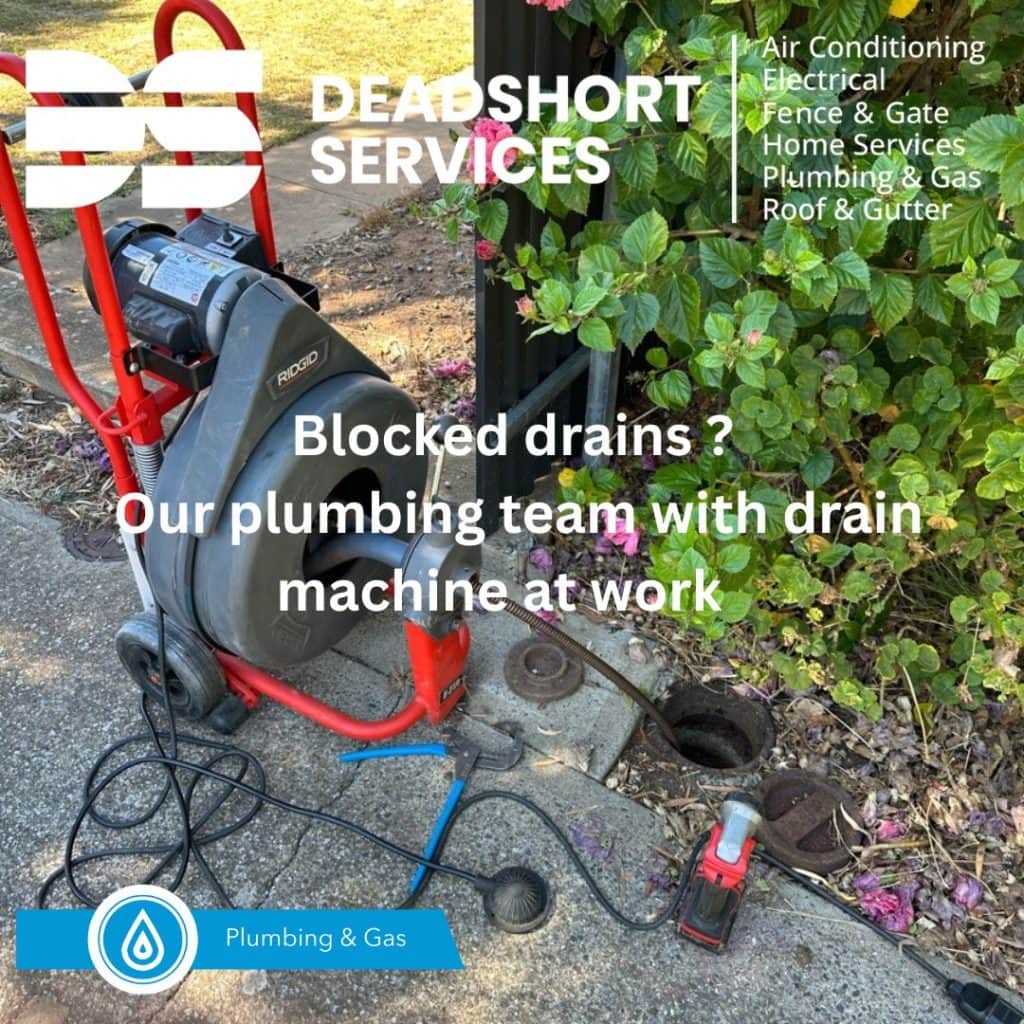
A- Hydro jetting uses high pressure water to scour pipe walls, removing grease, soap scum and roots. Mechanical clearing uses augers or cables to break up solid blockages. Each tool has its preferred use, we will discuss this with you onsite.
Q- Can I use the chemical drain cleaners to clear my drains?
A- Yes you can, and in some instances they be fine to clear minor scum build up, however generally we find drain blockages are caused from broken pipes, or items being inappropriately flushed which causes a build up and blockage, chemical cleaners are generally not useful for these.
Q- Do my blocked drains need to be dug up?
A- In most cases we can clear the blockages, however if there are breaks or tree root incursions in your drains, without repairs these blockages will continue. this can be discussed at the time. Pipe re lining may be a viable option, or CCTV inspection and sectional pipe repairs only.
Water Filtration Systems
Q-What is water filtration?
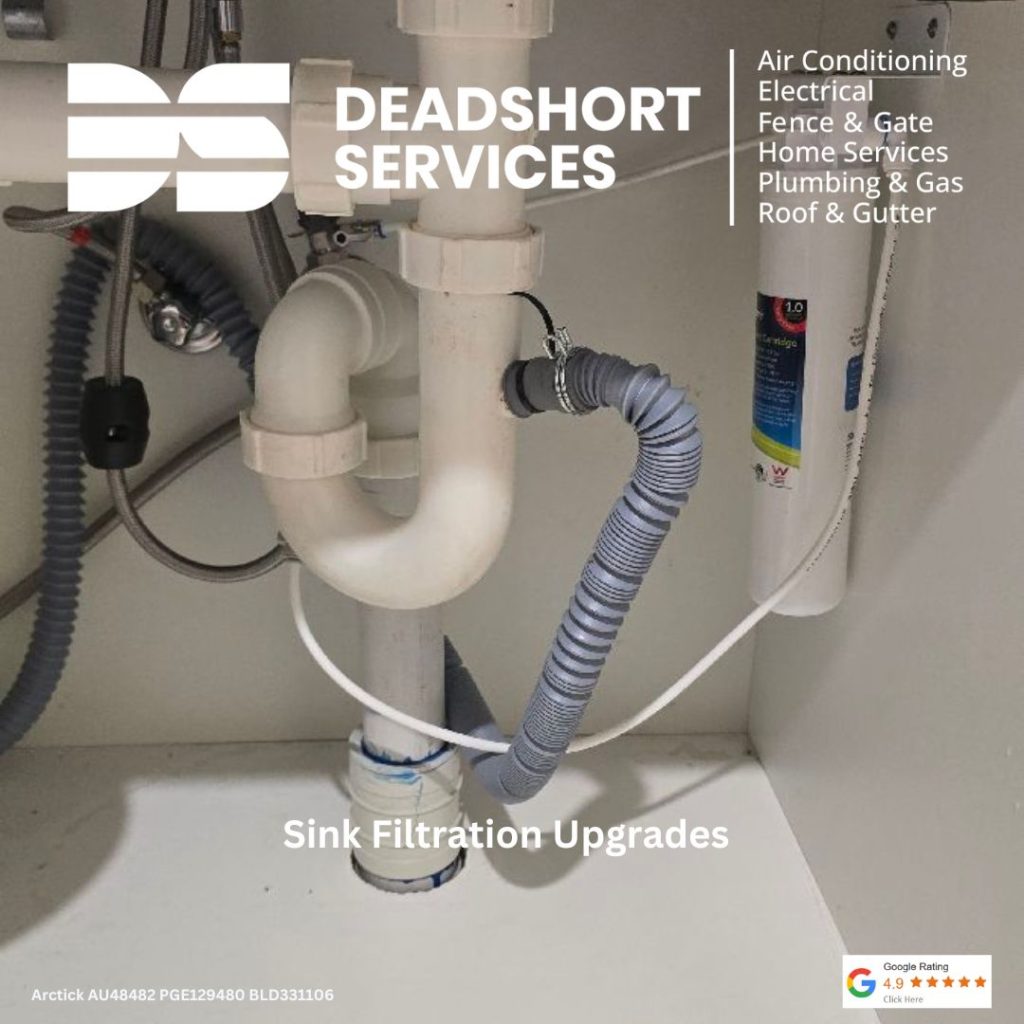
A- It’s the process of removing particles, chlorine, odours, dissolved salts/metals, and microorganisms from water using media like sediment cartridges, carbon, RO membranes, and UV sterilisation.
Q- How do home water filtration systems work?
A- Water passes through staged filters: sediment (dirt/rust), carbon (chlorine/odour), and—if needed—reverse osmosis (dissolved contaminants) or UV (bacteria/viruses). We size the system to your flow rate and usage.
Q- Which type of filter is best?
A- For pure drinking water, reverse osmosis (RO) is most effective. For rainwater/bore water, sediment + UV is essential. For taste/odour on mains, carbon works well.
Q- Do water filters remove fluoride?
A- Not all. RO systems can reduce/remove fluoride. Standard carbon filters won’t.
Q- Do water filters remove chlorine?
A- Yes—activated carbon significantly reduces chlorine, improving taste and smell (a common Adelaide complaint).
Q- Do filters remove “good” minerals too?
A- RO reduces most dissolved minerals. If you prefer some mineral content, we can add a remineralising stage post-RO.
Q- Do I need to filter my city (mains) water?
A- It’s safe by standards, but filtration improves taste, reduces chlorine/sediment, protects appliances, and can be gentler on skin and hair.
Q- What is a whole-house water filtration system?
A- A system installed at the mains entry that treats every tap and appliance—showers, laundry, kitchen, outdoor.
Q- How does a whole-house system work?
A- Typically a sediment pre-filter, then carbon, sometimes UV. We match cartridge sizes to your flow rate so you don’t lose pressure.
Q- What does a whole-house filter remove?
A- Chlorine, sediment, rust, some heavy metals/VOCs (with the right cartridges), and microbes if UV is included.
Q- How much does a whole-house filtration system cost?
A- In Adelaide, ~$2,000–$4,000 supplied & installed for most homes. UV/RO or complex plumbing can add cost. We quote upfront—no $99 gimmicks.
Q- How long does installation take?
A- Under-sink systems: ~2–3 hours. Whole-house systems: typically half a day depending on access and plumbing layout.
Q- How do I know my filter is working?
A- Taste/odour improvements, correct pressure, and on-schedule cartridge changes. We can also arrange water testing if needed.
Q- What size/capacity do I need?
A- Based on household flow rate (number of bathrooms, simultaneous use). We size cartridges (e.g., 10″ vs 20″) and media to keep good pressure.
Q- Do I need to test my water before choosing a system?
A- It helps. For mains, we often know the common issues; for rainwater/bore water, testing is recommended to select the right stages (e.g., UV).
Q- What is the most effective form of water filtration?
A- RO for drinking, sediment+UV for rainwater/bore, and multi-stage when you want the lot (taste + safety + clarity).
Q- What is the best water filtration to buy?
A- For simple kitchen drinking: Brita-style carbon or an under-sink RO. For whole-home: Puretec multi-stage systems are excellent for Aussie conditions.
Q- Should I filter my tap water in Australia?
A- Yes, if you want better taste/odour, less chlorine exposure, and extra protection for plumbing and appliances.
Q- What is the average cost of a whole-house filtration system?
A- Most installs land $2–4k turnkey. We assess, explain options, and give a fixed, transparent quote.
Q- Do rainwater tanks need extra filtration for drinking?
A- Yes—sediment + carbon + UV (and sometimes RO at the kitchen tap) to ensure safety and great taste.
Q- Do filters remove hardness/scale?
A- Standard carbon doesn’t. We can add scale-reduction media or softening options where hardness is a problem.
Q- What maintenance is required?
A- Cartridge changes every 6–12 months (usage/quality dependent); UV lamps annually; system checks at service intervals. We can schedule it for you.
Q- Are Bunnings water filtration systems good enough?
A- Good entry-level for a single tap. For whole-house, higher flow, or advanced purification, professionally installed Puretec/RO systems perform better and last longer.
Q- Which brands do you recommend?
A- For taps and taste: Brita. For whole-home and advanced systems: Puretec. We install, service, and warranty both.
Backflow Testing Adelaide
Q- What is backflow and why is it dangerous?
A- Backflow is reversed water flow—caused by pressure changes—that can introduce contaminants into drinking water.
Q- How often must I test backflow devices in South Australia?
A- Annually—every 12 months is the legal requirement, aligned with AS/NZS standards.
Q- Who can conduct backflow testing in SA?
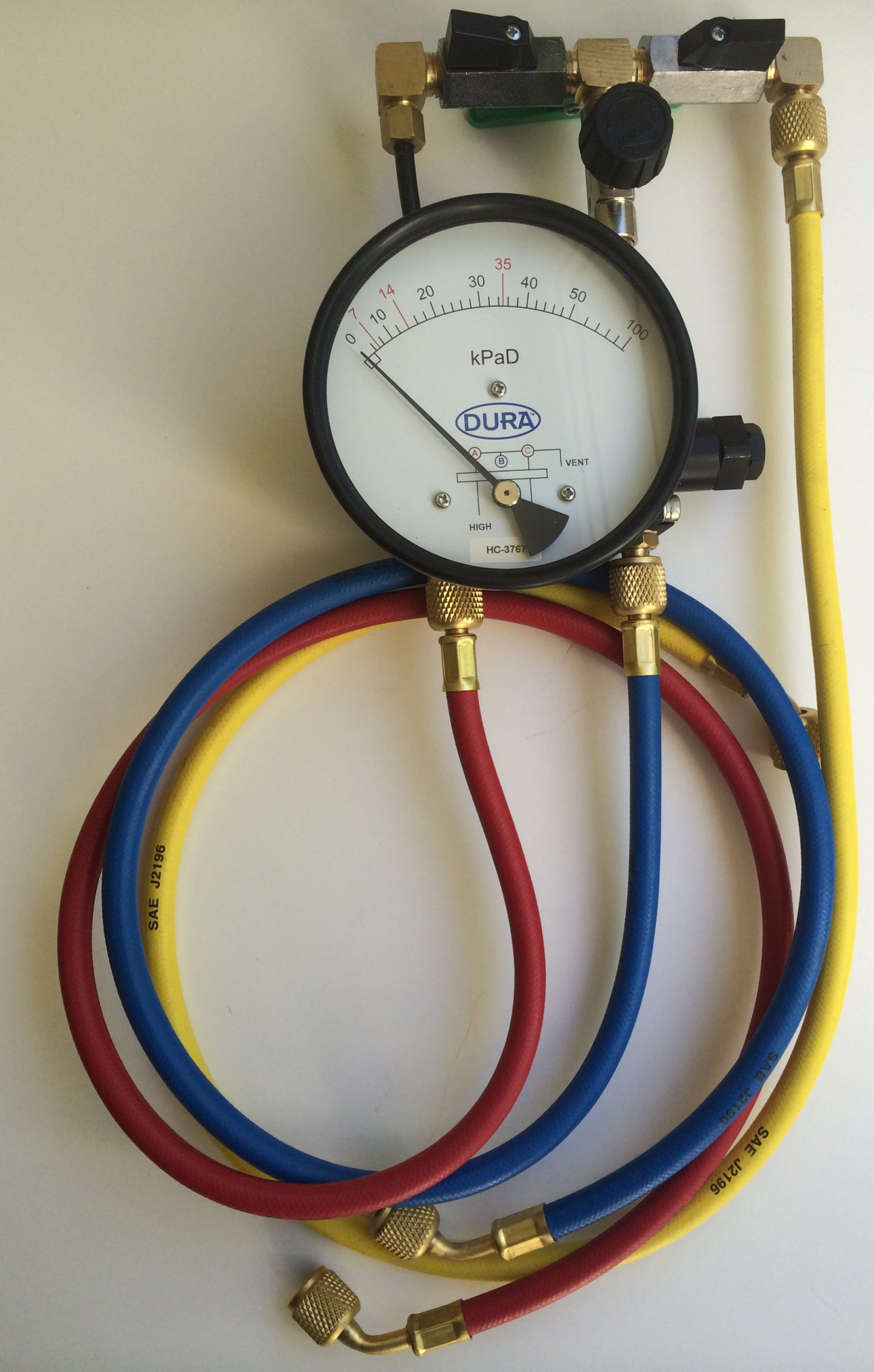
A- Only a licensed plumber with backflow endorsement and calibrated equipment.
Q- What happens during the test?
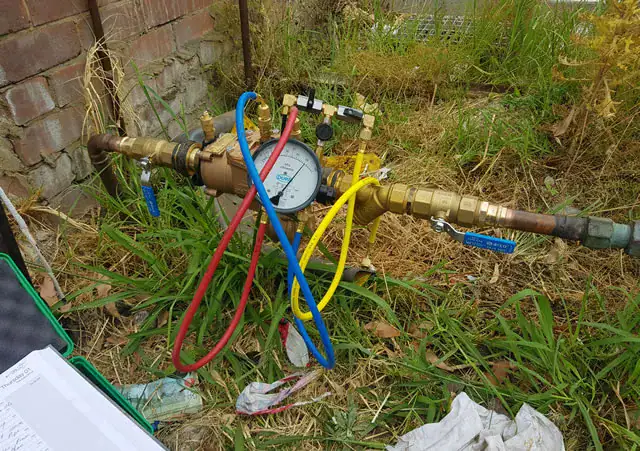
A- Water is briefly shut off, valves are tested, pressure is measured, then the system is restored and results lodged.
Q- What types of backflow devices are there?
A- Common devices include RPZ valves for high hazard, double check valves for medium, pressure vacuum breakers, and air gaps.
Q- Where are they installed?
A- Typically at the property boundary or where potable lines meet non-potable sources like irrigation or rainwater systems.
Q- What if I don’t comply?
A- Penalties include fines, warnings, or water disconnection. Authorities will enforce compliance strictly.
8. How are test results handled?
The plumber submits the report to SA Water or OTR and provides you with a copy for your records.
Q- How do I know what device I need?
A- We assess your hazard rating and recommend the appropriate device—whether it’s RPZ, double check, or air gap.
Bidet & Toilet Questions
Q- Do bidet toilets need electricity?
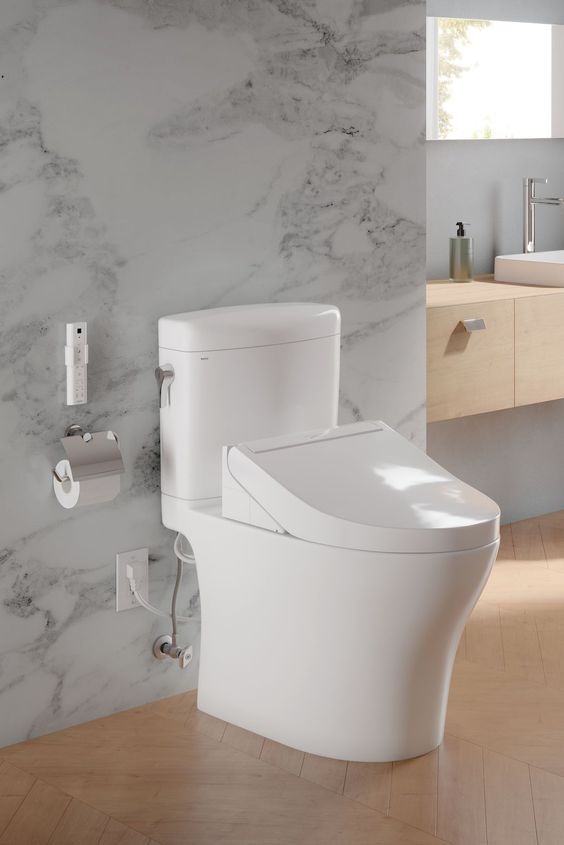
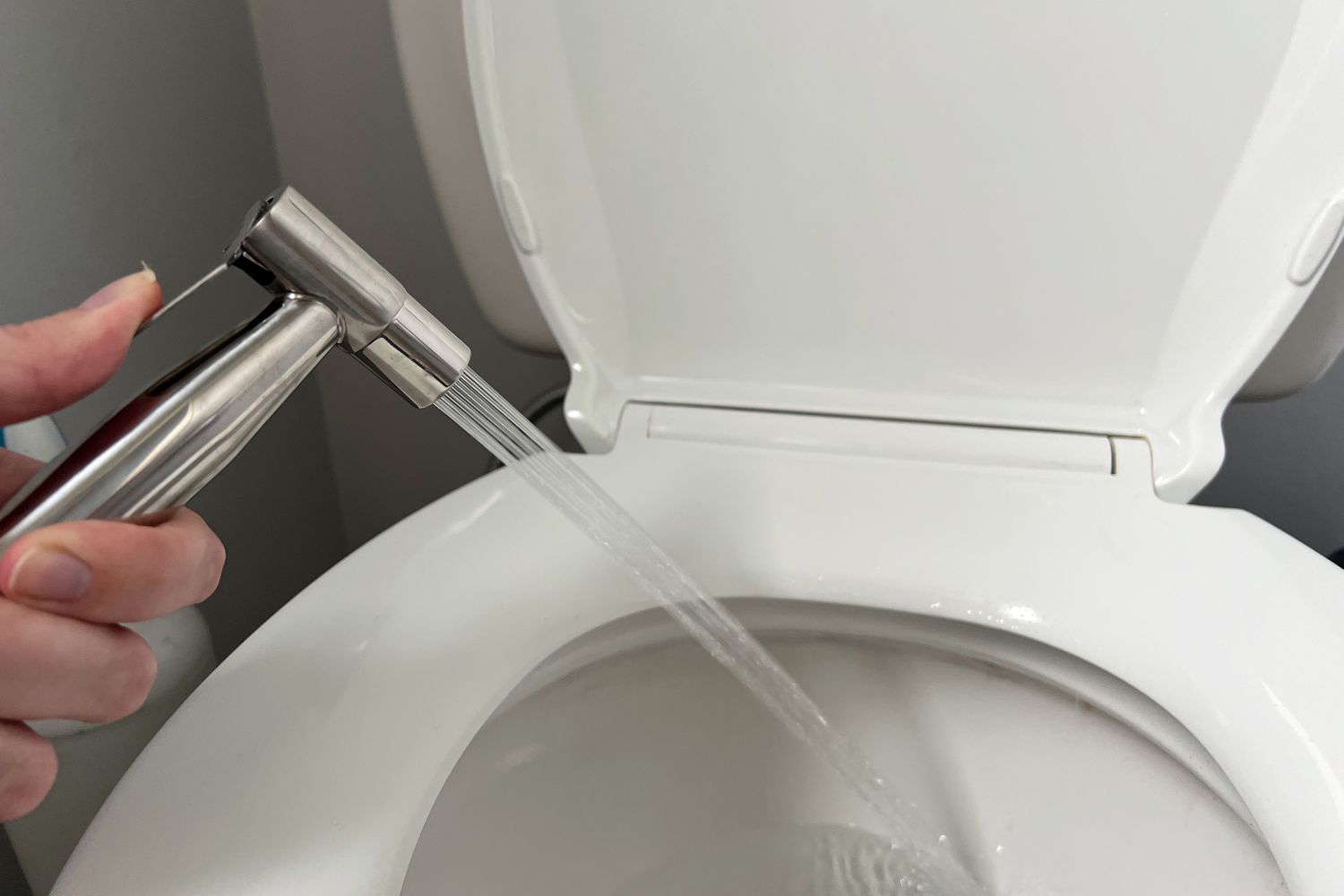
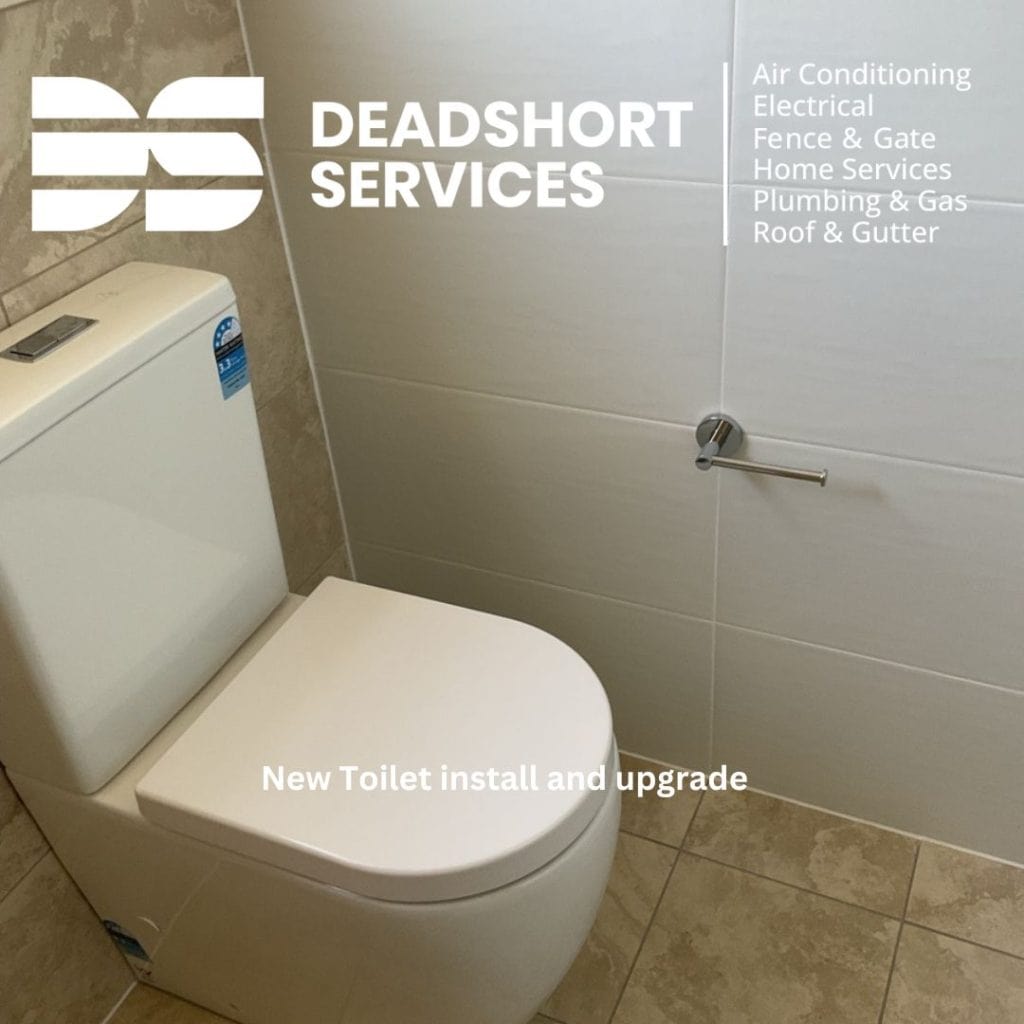
A- Some models do, especially if they have heated seats, warm water jets, or built-in dryers. If yours requires power, our in-house electricians can safely install the connection.
Q- Can a bidet toilet be added to my existing toilet?
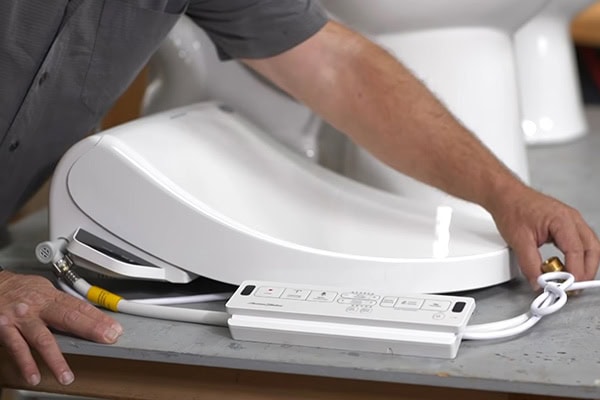
A- Yes — most modern toilets can be upgraded with a bidet seat or attachment. If you want a full bidet toilet, it may involve replacing the entire unit.
Q- Are bidet toilets more hygienic than toilet paper?
A- Yes. Medical experts often recommend them for their superior cleaning, gentler wash, and benefits for people with sensitive skin or mobility challenges.
Q- How long does installation take?
A- In most cases, a standard bidet seat or attachment can be installed in under an hour. A full bidet toilet may take longer depending on plumbing or electrical requirements.
Q- Are bidet toilets common in Adelaide?
A- They’re becoming increasingly popular as Adelaide homeowners look for eco-friendly and modern bathroom upgrades.
Q- What causes low water pressure in my shower or taps?
A- Low water pressure can result from clogged showerheads, corroded pipes, or issues with the main water supply. Cleaning or replacing the showerhead and checking for pipe obstructions can help.
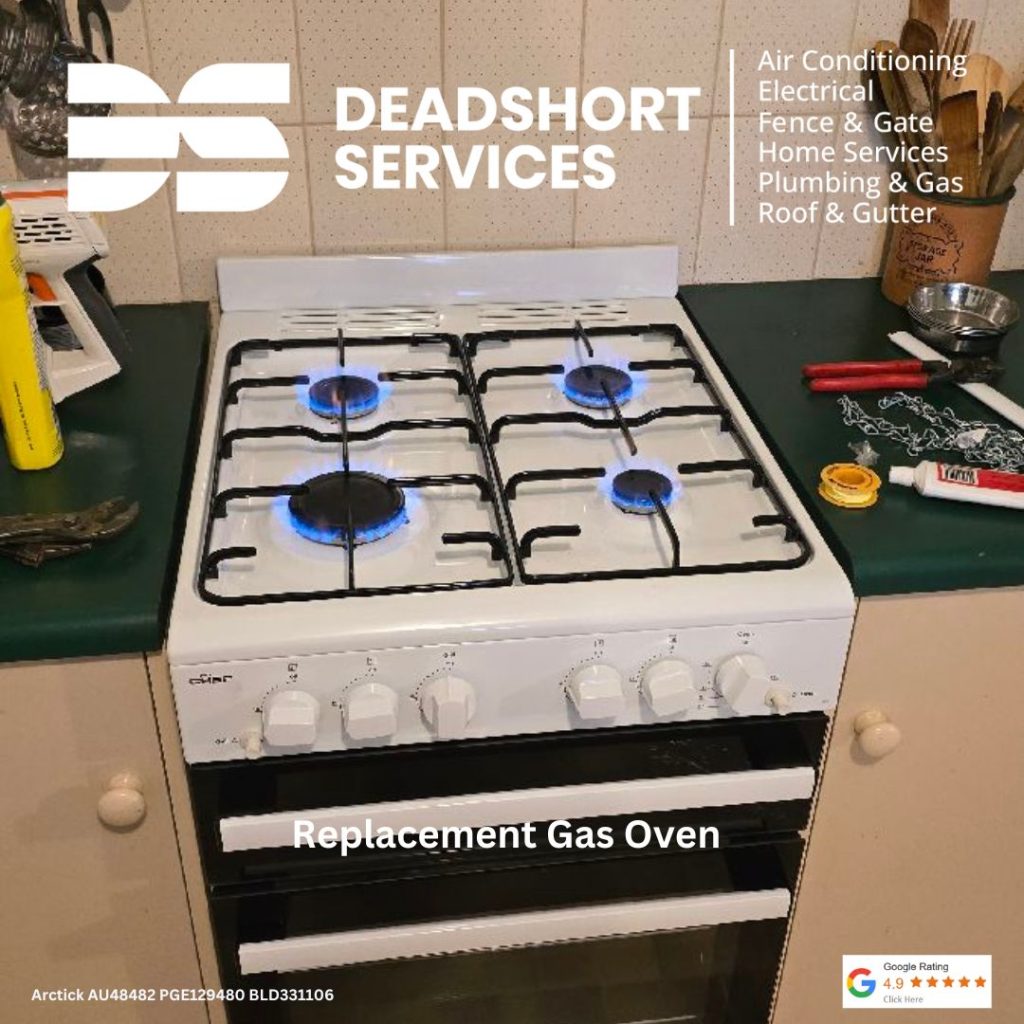
Q- I have a gas cooktop not working can you quote to repair that?
A- Components for gas cooktops are readily available, however the age and condition should be taken into account as a replacement cooktop may be better long term option financially.
Q- How can I detect a gas leak at home?
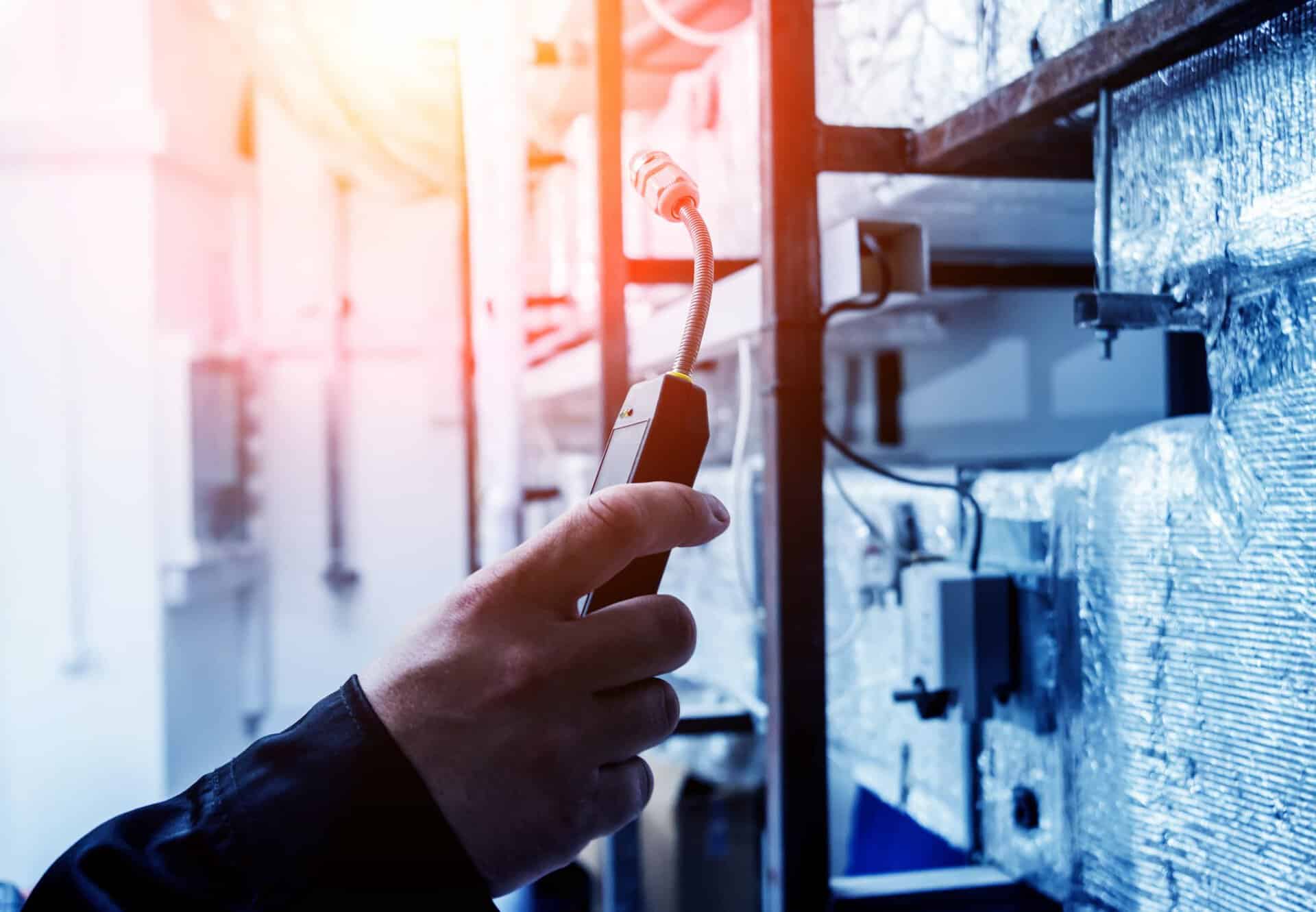
A- Gas leaks pose significant risks. Signs include a sulfur-like smell, hissing sounds near gas lines, or dying vegetation above underground pipes. Immediate action and professional inspection are crucial.
Q- What should I do if I suspect a gas leak?
A- If you smell gas or suspect a leak, evacuate the area immediately and contact a licensed gas fitter. Do not use electrical appliances or open flames.
Q- How often should I service my gas appliances?
A- It’s recommended to service gas appliances annually to ensure they operate safely and efficiently.
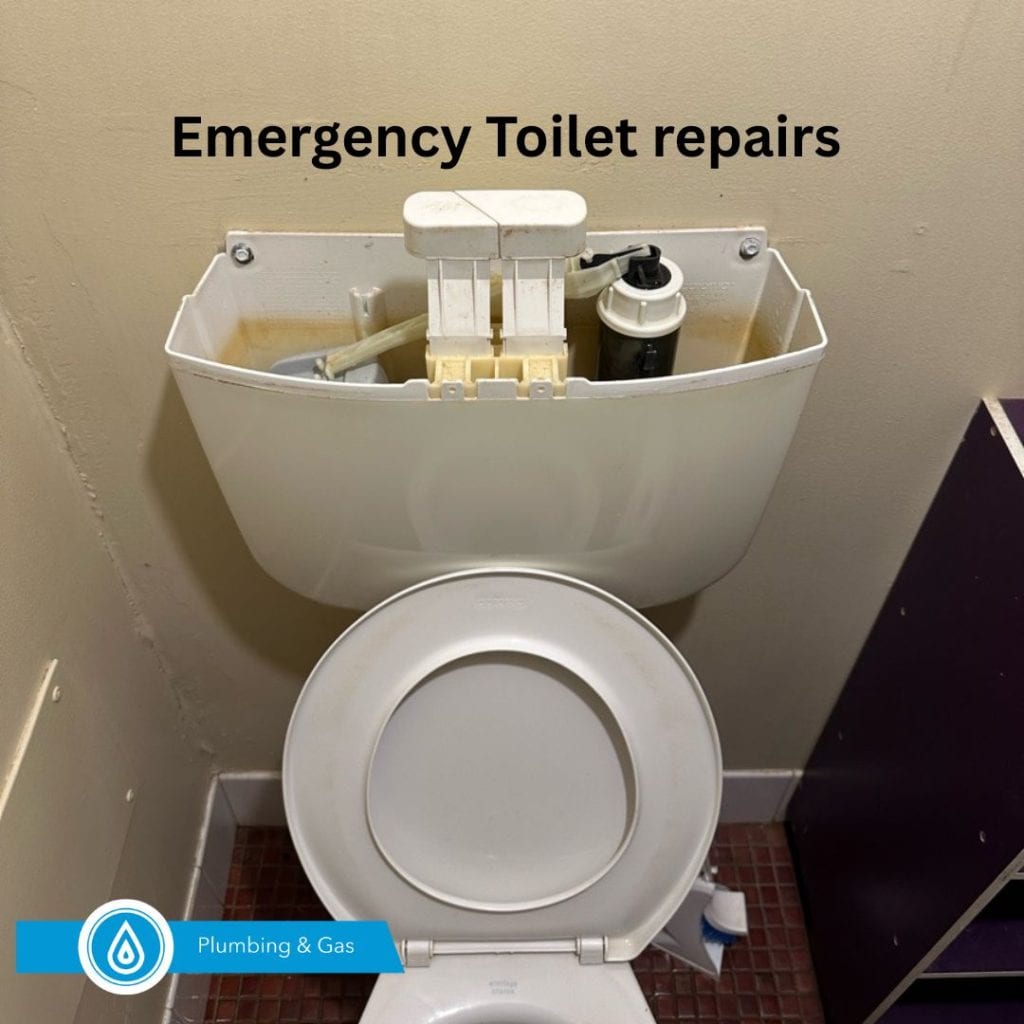
Q- Why does my toilet keep running after flushing?
A- A continuously running toilet often indicates a faulty fill valve. Replacing these parts can stop the water flow.
Q I have dampness on my wall, what does that mean?
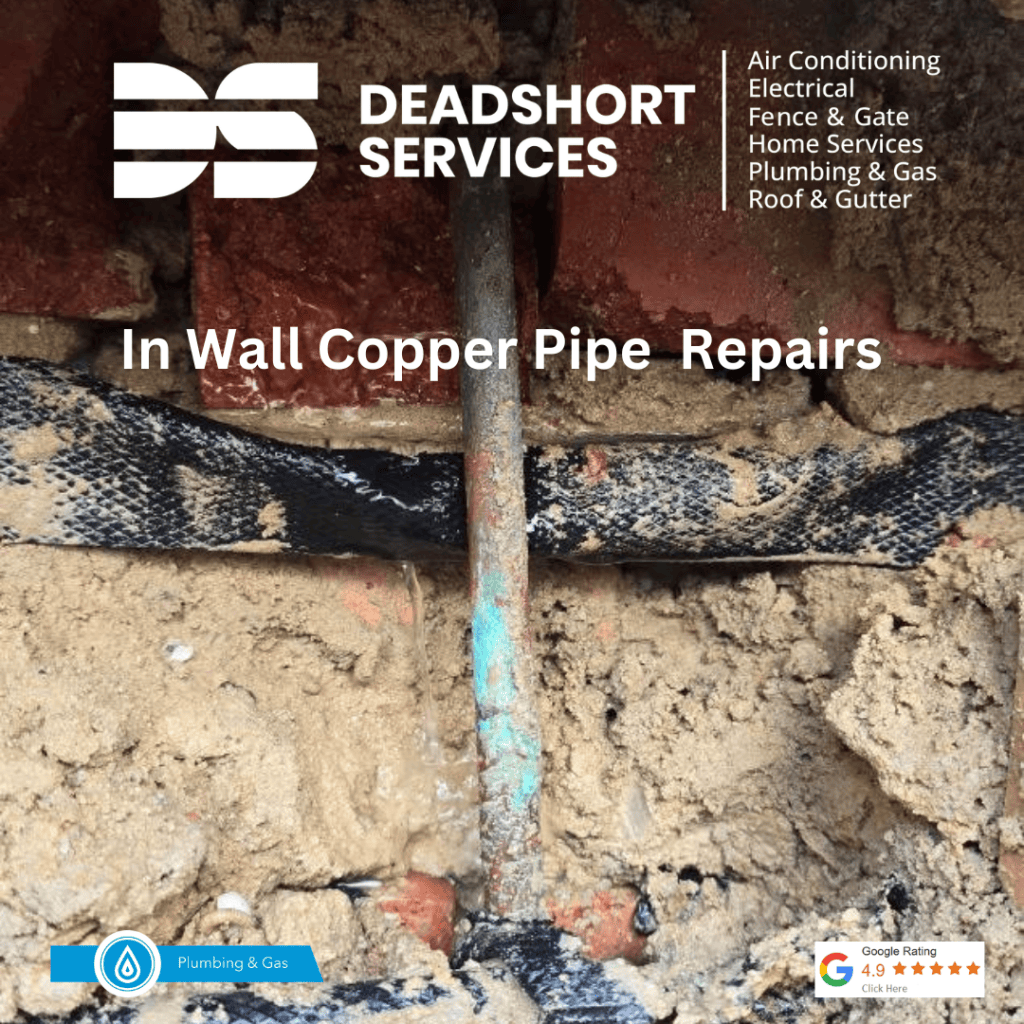
A- Sometimes the breacher unit behind the tap set fails and a small leak can create internal wall moisture issues, a water pressure test would be advised.
Q- why does my toilet water sometimes take time to flush?
A- This could mean you have the beginning of a water pipe blockage, debris can can build and impede water flow, a CCTV check can be carried out to check it.
Q- Is it safe to install a gas appliance myself?
A- No, installing gas appliances should be done by licensed professionals to ensure safety and compliance with regulations.
Q- What maintenance does my plumbing system require?
A- Regular inspections, cleaning of drains, checking for leaks, and servicing appliances ensure the longevity and efficiency of your plumbing system.
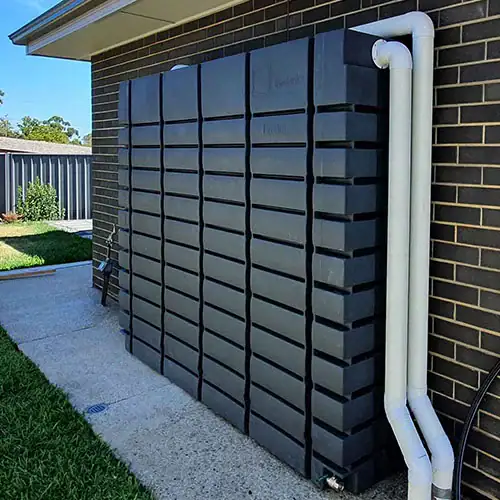
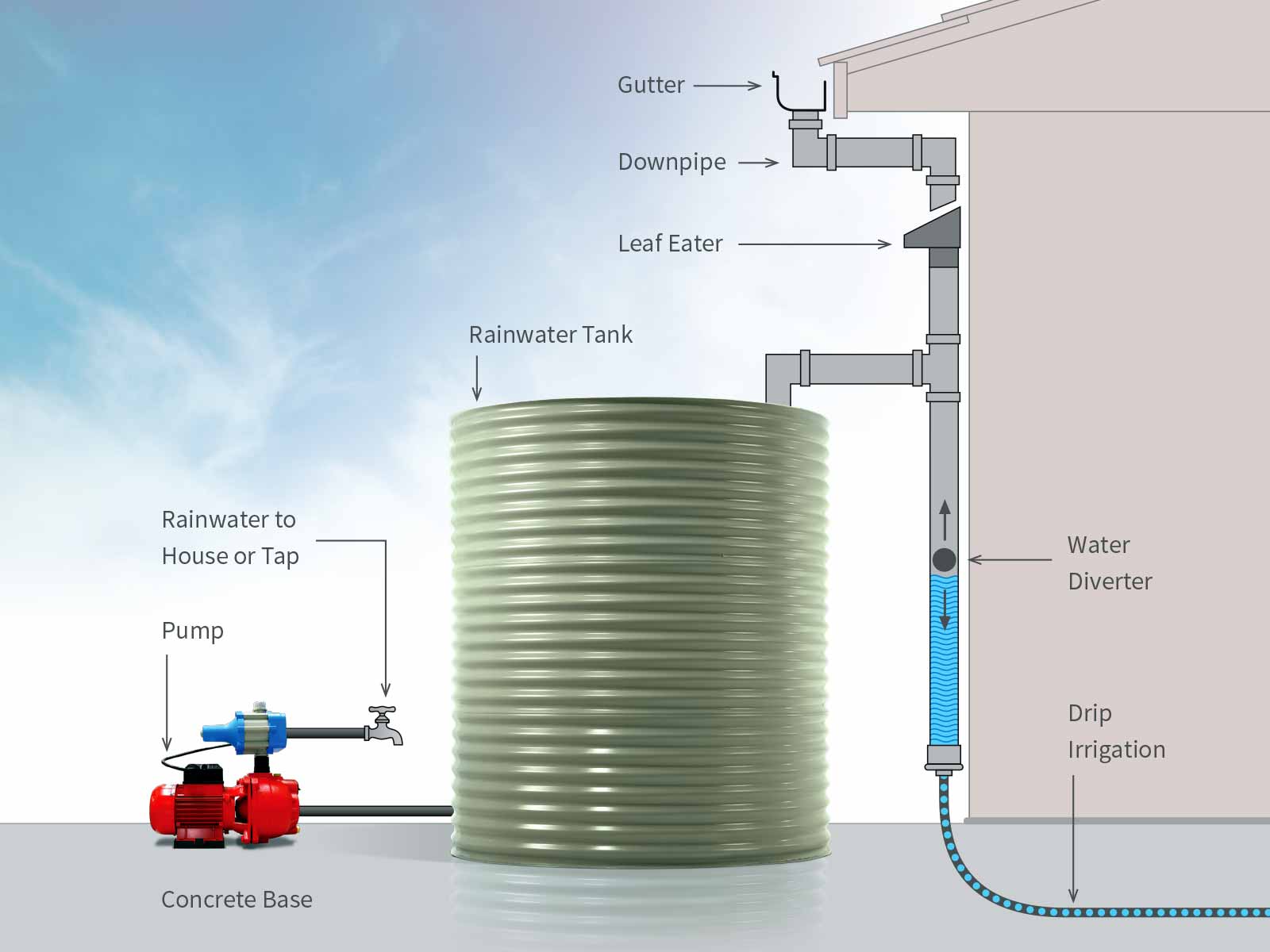
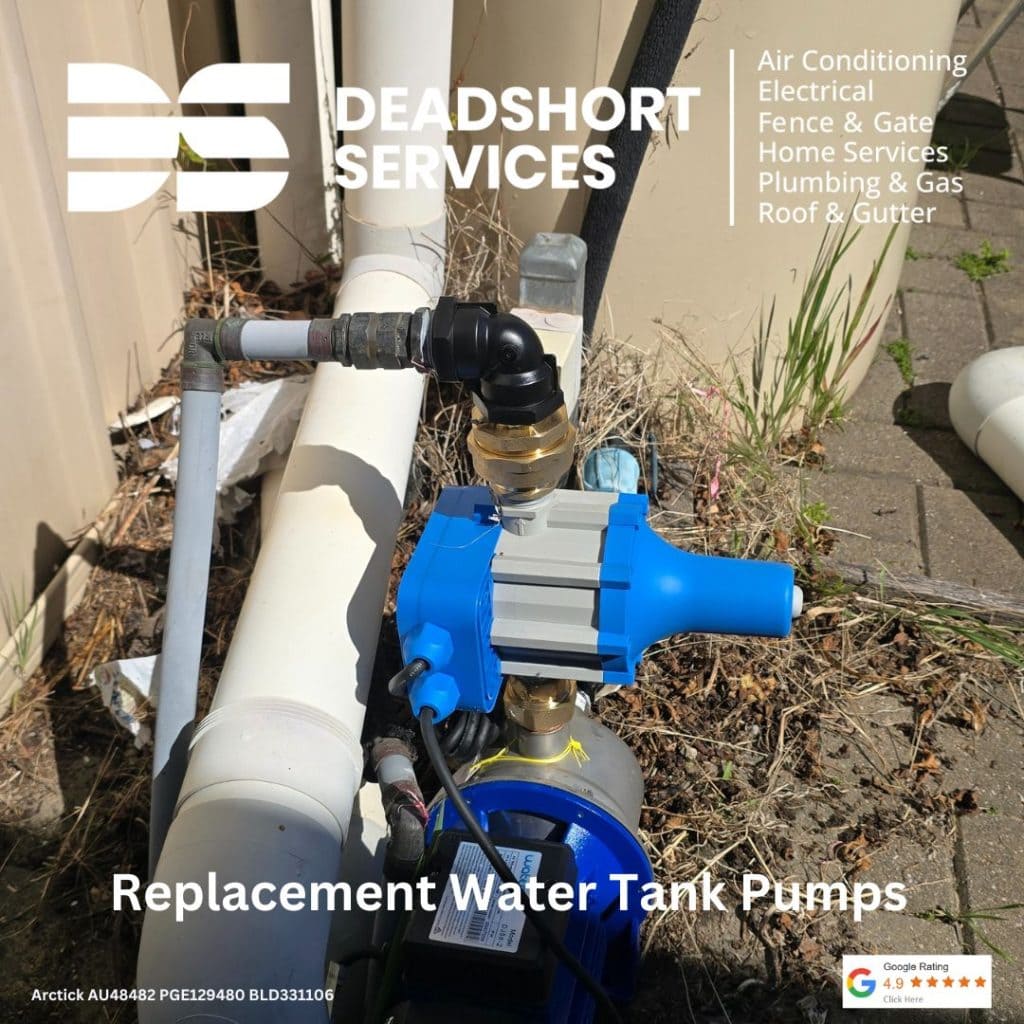
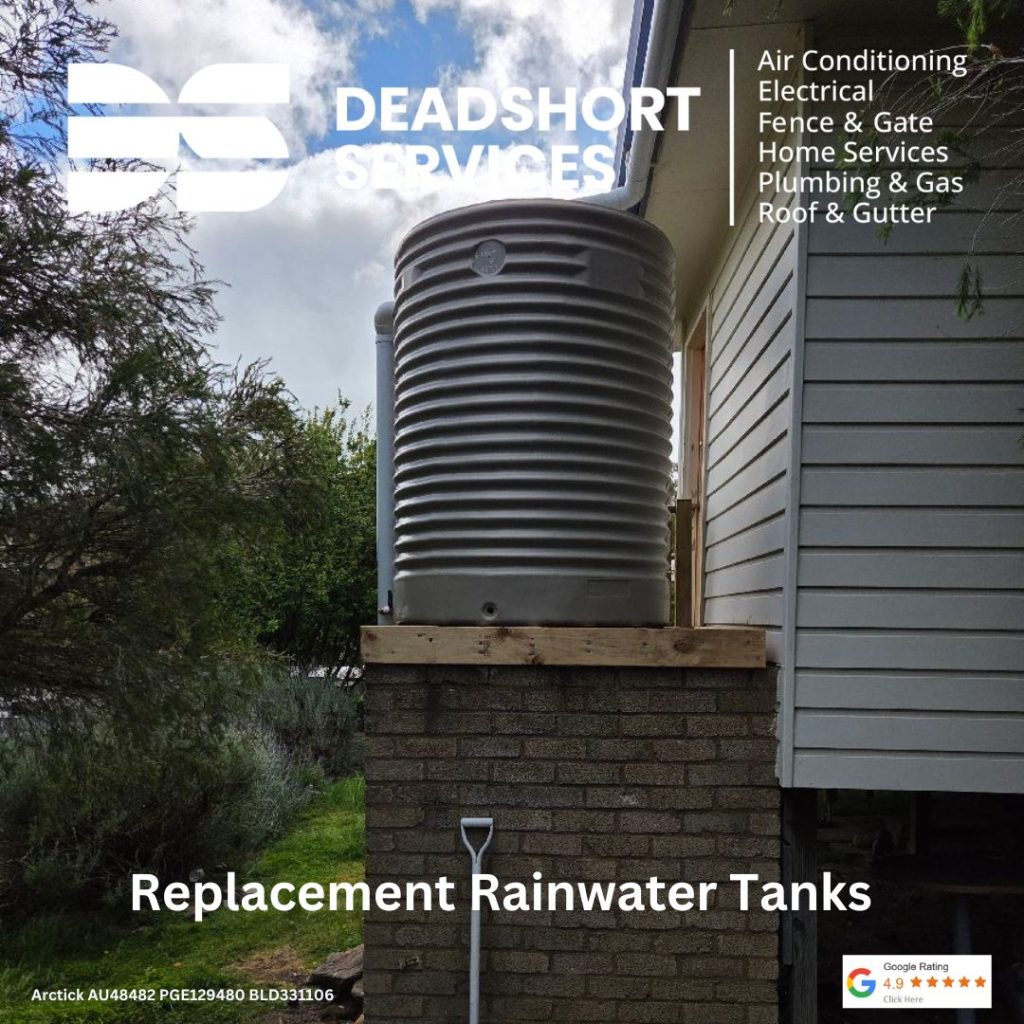
Q Can you install a new rainwater tank for me ?
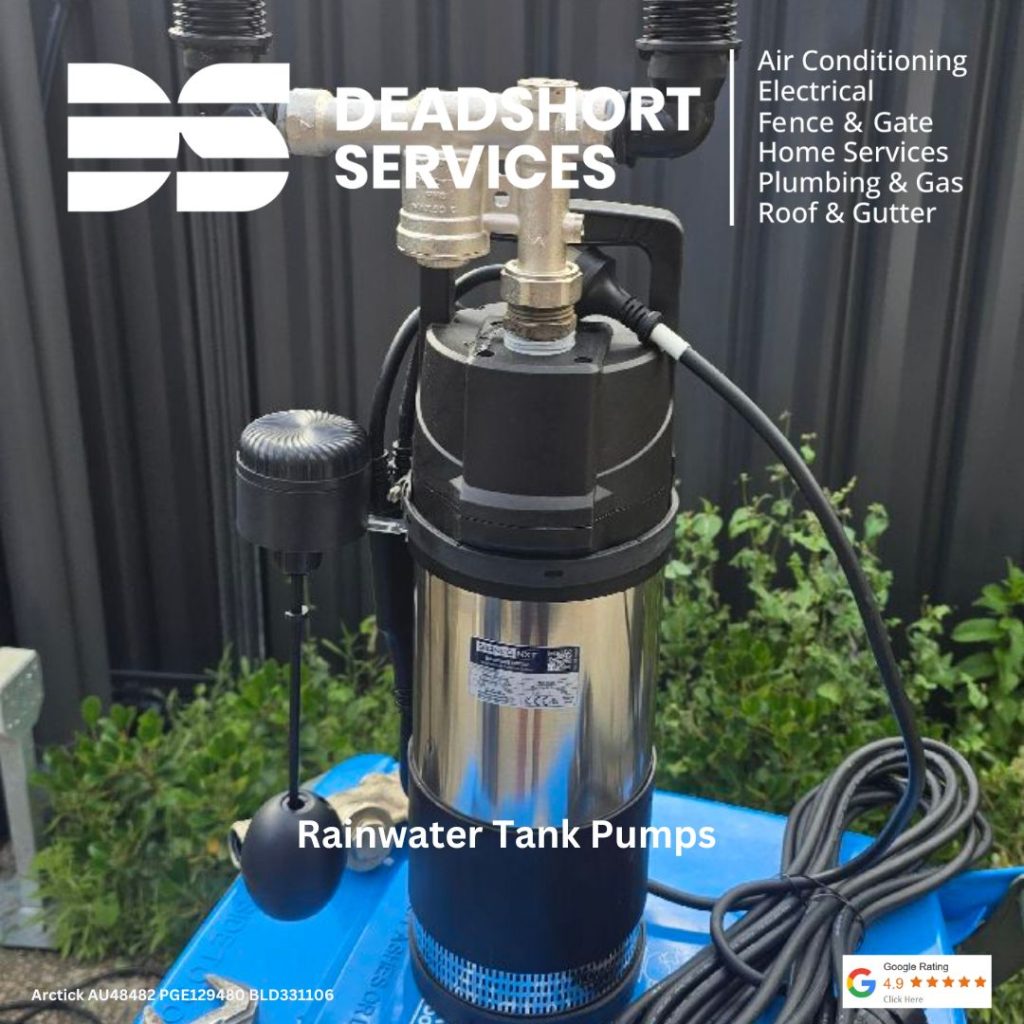
A- Yes we can, we can even arrange for it to be connected to your home water supply.